

Kerala learns no lessons from past floods as familiar deluge returns to haunt state
Mail This Article


Despite experiencing catastrophic deluges in 2018 and 2019, Kerala finds most of itself underwater once again, highlighting a monumental failure of governance and disaster preparedness. The state government and the State Disaster Management Authority have failed to implement necessary preventive measures, leaving citizens to pay a heavy price for this recurring systemic negligence.
An absence of crucial data
Following the unprecedented floods of 2018, one would expect the administration to compile comprehensive scientific data. Yet, fundamental questions remain unanswered. How much water accumulated in specific topographies? What were the exact rainfall patterns across vulnerable micro-regions? What are the current siltation levels in key rivers, and how have drainage systems been optimised? Critics point out that the state has failed to compile, let alone analyse, these critical metrics.
The cost of ignoring scientific warnings
Environmental experts have repeatedly warned that disaster management cannot succeed without scientific studies and localised planning. Had the data from 2018 and 2019 been mapped and shared with local self-governments, communities could have built robust resilience strategies. Instead, the lack of accurate ground-level data severely hampered rescue operations during the latest crisis, proving that no real lessons were learnt from past tragedies.
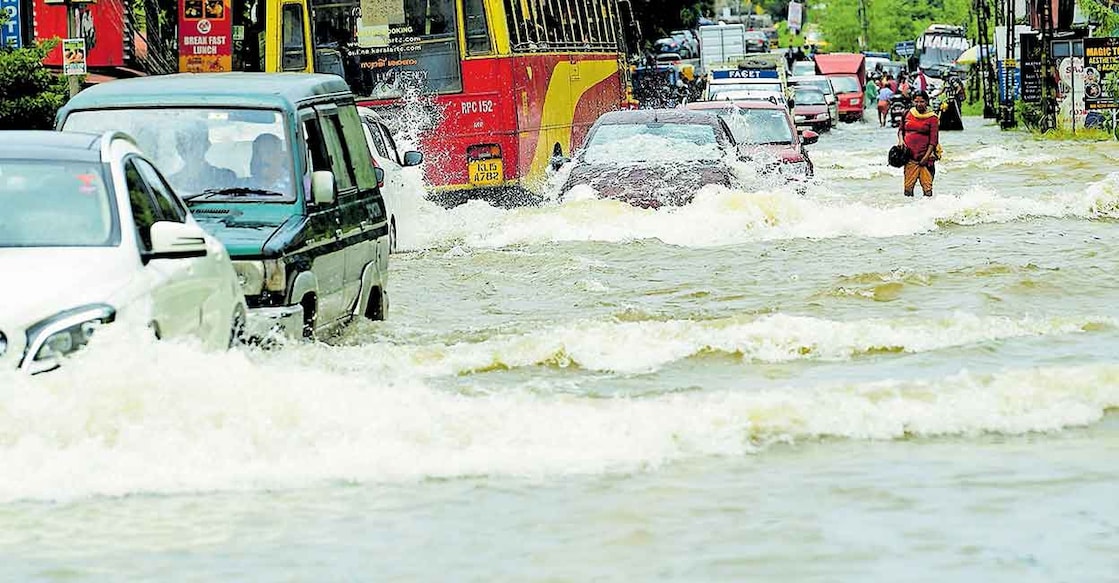
The most damning evidence of this official apathy lies in the geography of the current disaster. The very same regions that were devastated three years ago are the ones submerged today. As citizens scramble for safety, the narrative of a resilient state rings hollow against the backdrop of flooded highways and stranded communities.
