
Shortage of weavers despite GI tag leaves Kasaragod Saree hanging by a thread
Mail This Article


Kasaragod: The Kasaragod Weaving Cooperative Production and Marketing Society, which gained global recognition through the 'Kasaragod Saree', is now facing an insurmountable crisis.
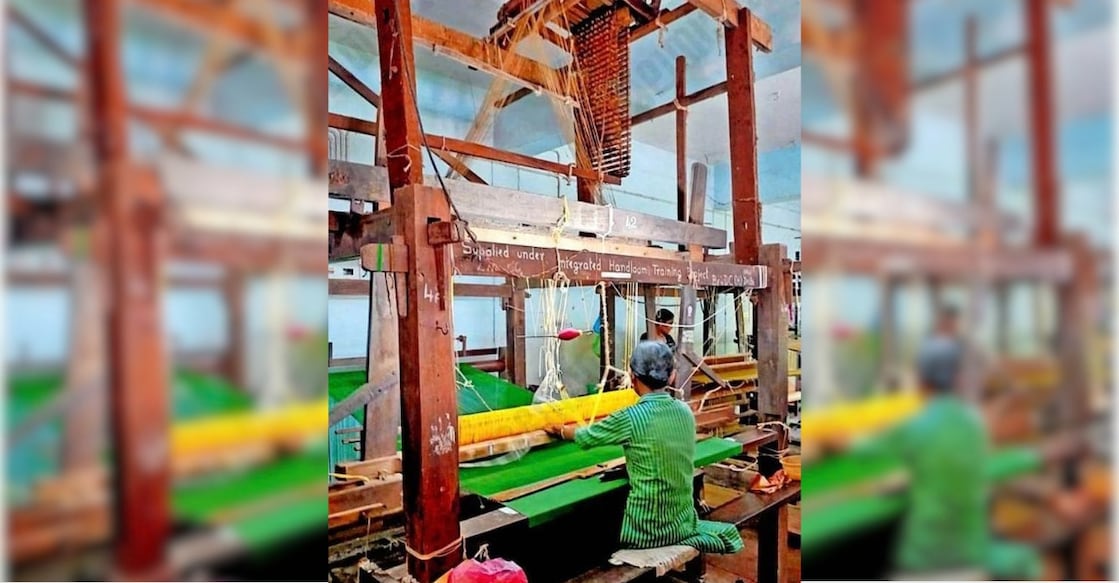
The Kasaragod Saree received its Geographical Indication (GI) tag in 2010. It is the only product from the district to have received a GI tag. Until 1990, the society saw around 500 weavers operating 500 looms, with more than double that number indirectly involved in ancillary tasks. Today, the same institution has only 30 weavers.
Loss of ₹1.75 crore
The society is currently operating at a loss of nearly ₹1.75 crore. It owes 11.75% interest on a ₹70 lakh loan taken from Kerala Bank. The monthly interest liability alone amounts to between ₹60,000 and ₹65,000.
No Workers Available
Despite being an 88-year-old institution, it is struggling to find weavers today. This year, when a call was made for weaving training to recruit 30 new weavers, only 10 responded. Out of these 10, only 4 are still employed. In 2015-16, 60 people were employed; that number has now dwindled to 30.
Turnover
The institution's turnover, which stood at ₹85 lakh in 2015-16, dropped to ₹60 lakh last year. During the last Onam season, the turnover was ₹12 lakh, including sarees worth ₹10 lakh.
Loved by foreigners
Foreigners, including those staying in the district's five-star hotels, visit the society to purchase Kasaragod Sarees. Despite growing demand, the current situation prevents them from producing enough to meet it.
The society held high hopes after the Kasaragod Saree received its GI tag. The GI tag was expected to bring protection for a product linked to Kasaragod's traditional handloom methods, increased market opportunities for weavers, better marketing avenues as a distinct regional product, improved pricing and income, and greater visibility in the tourism sector. These were the aspirations for the GI-tagged product to thrive. However, despite a decade and a half since receiving the GI tag, these hopes have not materialized.
Free School Uniform; Arrears ₹3 lakh
In 2017-18, the society initially wove up to 15,000 metres of fabric for the state government's free school uniform scheme. Under this scheme, the government set the weaving rate at ₹57 per metre of fabric. At this rate, a worker could earn ₹300 per day in wages. Weavers could produce up to 6 metres daily, earning ₹200 after deductions like PF. The uniform fabric weaving began on 25 looms. However, by 2020-21, during the project's implementation, the supply of yarn became inconsistent. Out of the 25 weavers engaged in uniform production, 22 quit. Weavers are still owed arrears for the past six months under the uniform scheme. The society is yet to receive approximately ₹3 lakh from the government for this.
Hope for Government Mercy
Despite the severe crisis, the society's governing body is striving to sustain and advance its operations, given the continued high demand for Kasaragod Sarees. Skilled weavers are essential to continue production, and debt must be resolved. Two years ago, a ₹2 crore development project seeking government aid was submitted. This plan included building renovation, 10 huts (each housing two looms) to attract tourists, skilled vocational training, a rest room, and a toilet block for workers. However, despite being included in the Kasaragod Development Package, the project could not be implemented. A key condition was that the society had to contribute 60% of the funds, a requirement the debt-ridden organization couldn't meet due to a lack of its own capital.
