

Watch out for upcoming seven-seater SUV launches in India
Mail This Article


The Indian automotive landscape is bracing for a massive wave of new seven-seater SUVs. Catering to family buyers who refuse to compromise on space, performance, or technology, manufacturers are preparing an onslaught of three-row vehicles. The upcoming line-up is remarkably diverse, ranging from budget-friendly family haulers to premium, heavy-duty ladder-frame off-roaders. Crucially, this next wave is not just about conventional petrol and diesel engines; it features highly efficient strong hybrids and state-of-the-art electric vehicles (EVs).
Here is a detailed look at the highly anticipated seven-seater SUVs heading to Indian roads soon:
Renault Bigster: The highly anticipated Duster sibling
Renault is gearing up to introduce a new mid-size three-row SUV, heavily based on the iconic Duster's platform and sharing its key powertrains. Internationally badged under Renault's sister brand Dacia, the Bigster has already been spotted undergoing real-world testing. With a generous wheelbase spanning approximately 2.70 metres, this SUV guarantees ample cabin space across all three rows. Under the bonnet, expect to see the highly refined 1.3-litre turbo-petrol engine alongside an incredibly efficient 1.8-litre strong-hybrid powertrain. Upon its debut, the Bigster will lock horns with established players like the Hyundai Alcazar and Mahindra XUV700.
Nissan's upcoming seven-seater: Based on the Tekton
Nissan is also leveraging alliance synergies to develop its own unique seven-seater SUV based on the Tekton. Sharing the robust RGMP platform, Nissan’s offering will differentiate itself with a bold, distinctively Japanese SUV design language and a heavily updated premium cabin. Unlike its Renault counterpart, this model might skip the strong-hybrid option, relying instead on a punchy 1.3-litre turbo-petrol engine mated to modern transmission options.
Tata Safari EV: The brand's premier electric flagship
Tata Motors is prepared to take the premium EV market by storm with an all-electric avatar of its flagship Safari SUV. Scheduled for a launch around the festive season, this three-row electric powerhouse will sit at the pinnacle of Tata's EV portfolio. Built on the advanced acti.ev+ platform- shared with the upcoming Sierra EV and Harrier EV - the Safari EV is expected to house substantial battery packs of 65kWh and 75kWh. There are even rumours of a massive 80kWh battery option designed for Tata's future Avinya-range vehicles. Higher-spec trims are expected to feature a dual-motor, all-wheel-drive (AWD) setup, promising exceptional capability alongside a luxury-oriented, tech-laden cabin.
Mahindra XUV 7XO Hybrid: The brand's first petrol-hybrid SUV
Mahindra is actively working on a strong-hybrid version of its popular flagship SUV, internally codenamed 'W613'. Likely to be badged under the XUV 7XO or XUV700 family, this environment-friendly SUV is expected to break cover by November. By marrying its existing 2.0-litre turbo-petrol engine with an advanced electric motor and a dedicated battery pack, Mahindra aims to deliver a three-row SUV that offers both blistering performance and exceptional fuel efficiency.
Toyota Hyryder and Maruti Grand Vitara seven-seaters
Toyota is busy engineering a three-row variant of the popular Urban Cruiser Hyryder, and a Maruti Suzuki rebadged sibling (codenamed Y17) will follow shortly after. Projected for a late 2026 or early 2027 debut, these extended SUVs will measure over 4.5 metres in length. To accommodate a comfortable third row, both vehicles will feature a longer wheelbase and an extended rear overhang compared to their five-seater counterparts, characterised by an upright rear profile and larger rear-quarter glass. Offered in both six- and seven-seater configurations, they will continue to employ the trusted 1.5-litre petrol and ultra-frugal 1.5-litre strong-hybrid engines, with factory-fitted CNG variants also in the pipeline.
Next-generation Toyota Fortuner: The king of ladder-frame SUVs returns
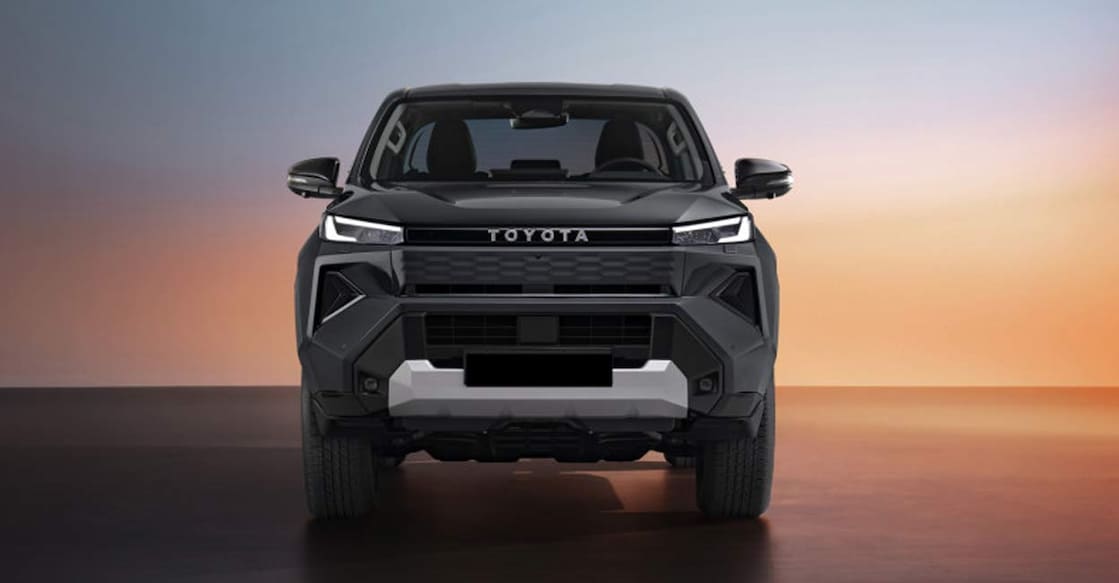
Arguably the most awaited launch for premium SUV enthusiasts, the next-generation Toyota Fortuner is scheduled for a global premiere in late 2026, followed by an Indian debut in early 2027. Retaining its legendary, rugged body-on-frame ladder chassis, the new Fortuner will sit on an updated IMV platform shared with the latest Hilux truck. Expect a completely redesigned exterior featuring premium, modern design cues and a heavily updated, tech-driven cabin. Under the bonnet, Toyota will retain its robust 2.7-litre petrol engine and the highly dependable 2.8-litre diesel engine, now enhanced with mild-hybrid technology for improved efficiency, supported by a heavy-duty 4x4 drivetrain.
