

Click a fake traffic fine link, risk losing money: Keralam Police warns of surge in scam alerts
Mail This Article


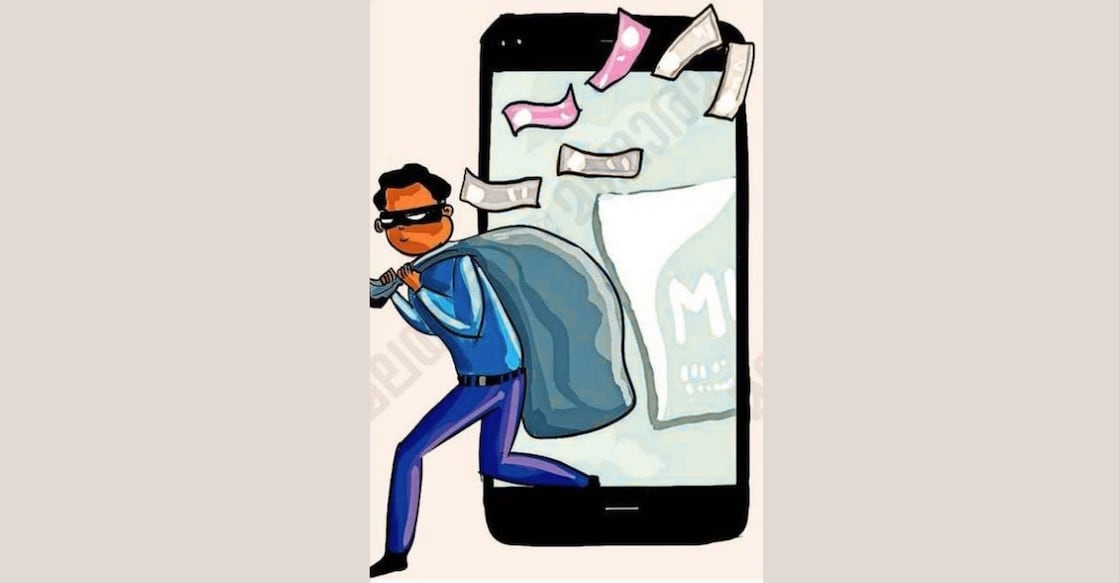
Thiruvananthapuram: Vehicle owners beware! A fake traffic fine alert could lock you out of your phone and drain your bank account. The police have warned of a surge in fraud involving fake messages demanding payment of traffic violation fines and urged the public to remain vigilant. The messages include the vehicle's registration number and threaten suspension of the driving licence or seizure of the vehicle if the fine is not paid. Similar messages are also being sent under the pretext of vehicle insurance renewal.
Many of these messages originate from a number identified as ‘Vehicle Info’, which carries a blue tick mark to create the impression of a verified account, the police said. Clicking the accompanying link or downloading the suggested app can hand over complete control of the phone to fraudsters. In some cases, victims are even unable to switch off their phones for a while.
Once they gain access to a phone, fraudsters steal personal and banking details, including one-time passwords (OTPs), to access victims' accounts. They also install other apps and misuse UPI platforms such as PhonePe and Google Pay to transfer money. Even UPI Lite, which allows small-value transactions without an OTP, is being exploited to make repeated withdrawals of less than Rs 1,000.
Data leak raises questions
The scam has also raised questions about the possible leakage of data related to traffic violations. Vehicle owners receive genuine alerts about traffic violations and fines from the official Parivahan number under the Union Ministry of Road Transport and Highways. Soon afterwards, they often receive fraudulent messages carrying the same details. With the owner's name, vehicle registration number and model mentioned in the message, it becomes difficult to distinguish a fake alert from an official communication.
The police, however, deny that details of traffic violations are being leaked to fraudsters. They suspect that vehicle and mobile phone numbers shared with private companies for purposes such as insurance renewal could be reaching scammers. Such data may be used to send bulk messages falsely claiming to be about traffic violations.
