

Starmer quits: UK faces seventh PM in tumultuous decade
Mail This Article


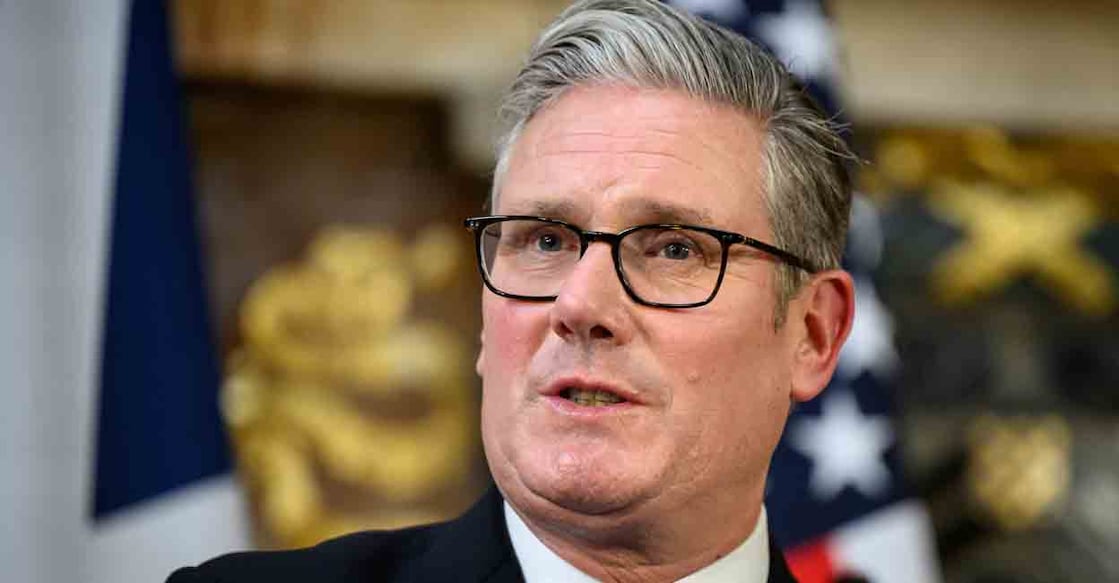
British Prime Minister Keir Starmer resigned on Monday, paving the way for the country's seventh leader in 10 years. The chaos dates back to the Brexit referendum, 10 years ago to the day on Tuesday. In the years since the vote, Britain has tried to forge its own path but has struggled to boost its low-growth economy, hamstrung by high debt and a rising welfare bill, amid geopolitical volatility. Britain prepares for its 7th Prime Minister in the last 10 years. The decade-long crisis that dates back to the Brexit referendum has its spell on Starmer as well.
The Labour Party suffered heavy losses in the local elections and in votes for the Scottish and Welsh assemblies, deepening questions over Starmer's ability to govern, with Reform UK the main beneficiary. Health Minister Wes Streeting had resigned last month, stating that he had lost confidence in Starmer's leadership and called for a leadership contest, in which he said he hoped to compete. The second resignation in Starmer’s cabinet occurred earlier this month when British Defence Minister John Healey quit over a months-long dispute over defence spending, accusing Starmer of failing to commit the money needed to keep the country safe from mounting threats.
Over the past decade, the UK has experienced an unprecedented era of political volatility and institutional churn, a cycle triggered ten years ago by the historic June 2016 Brexit referendum. Following the shocking 52% to 48% vote to leave the European Union, Prime Minister David Cameron resigned, paving the way for Theresa May, whose subsequent 2017 snap election gamble cost the Conservatives their parliamentary majority and led to a bitter legislative deadlock. May’s eventual exhaustion forced her resignation in May 2019, handing power to Boris Johnson, who secured a historic landslide victory later that year under the banner of "Get Brexit Done" and successfully withdrew the UK from the EU in January 2020.
However, Johnson's pandemic-era leadership was ultimately derailed by a relentless series of ethics scandals, triggering a July 2022 ministerial revolt that forced him out. The ensuing leadership crisis saw Liz Truss occupy Downing Street for a chaotic 44 days before her disastrous mini-budget spooked financial markets and wrecked her premiership, leaving Rishi Sunak to take over in October 2022 as the nation’s third prime minister in three months.
Sunak's attempts to restore stability proved short-lived; trailing heavily in the polls, he called a July 2024 election that resulted in a landslide victory for Keir Starmer and the Labour Party. Yet, despite promising an end to the chaos, Starmer's administration quickly ran into severe headwinds, beginning with a stark August 2024 warning of an economic black hole and a historic £40 billion tax-raising budget that sparked intense public backlash.
Andy Burnham cleared his path back to Westminster by decisively beating Reform UK in the north. This relentless accumulation of economic pain, cabinet mutiny, and surging populist pressure culminated in Starmer’s own resignation on Monday, leaving a fatigued British public preparing to welcome its seventh prime minister in just ten tumultuous years.
