

Beds made out of hardboard: Japan’s cost-cutting model at Asian Games draws attention
Mail This Article


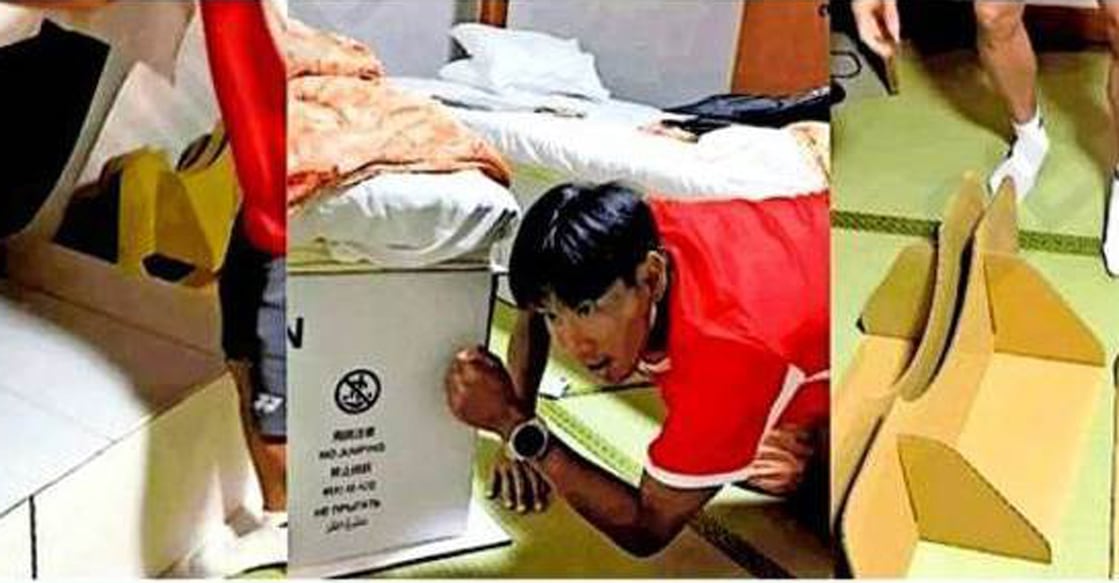
The hardboard beds inside the container huts, currently accommodating athletes participating in the Asian Games, have become a talking point. This isn't Japan's first foray into using hardboard beds; they were also deployed in the Games Village during the 2020 Tokyo Olympics. What's more, a Japanese company even released a line of low-cost hardboard beds to the market.
Despite athletes sleeping on mattresses laid over these hardboard frames, there have been no issues reported regarding their stability. In fact, the use of hardboard extends beyond just the beds at the Games; all the waste bins installed across the venues are also constructed from hardboard. This initiative also serves the broader goal of reducing plastic consumption.
Nagoya was selected as the host city for the Games in 2016, with an initial estimated budget of approximately ₹60 billion. However, significant inflation in goods and services over the past decade has severely impacted the Games' finances.
What you should read next

Building a traditional Games Village would have incurred expenses of around ₹20 billion. By contrast, renting a luxury cruise ship for accommodation significantly cut costs to roughly ₹2.8 billion. Furthermore, Japan's choice of container homes was also driven by their potential for sustainable future use. In a country prone to frequent typhoons and natural disasters, these container houses can serve as temporary relocation centres for residents in times of crisis.
