

Kalpathy Ratholsavam: The traditions and stories behind Palakkad’s grand chariot festival

Mail This Article


The annual Kalpathy Ratholsavam, the much-loved chariot festival in Kerala's Palakkad, draws to a close tomorrow (November 17). Every year, the festival brings together centuries-old Tamil Brahmin traditions, elaborate rituals and a spirit of communal harmony, drawing lakhs of devotees to the historic village in Palakkad.
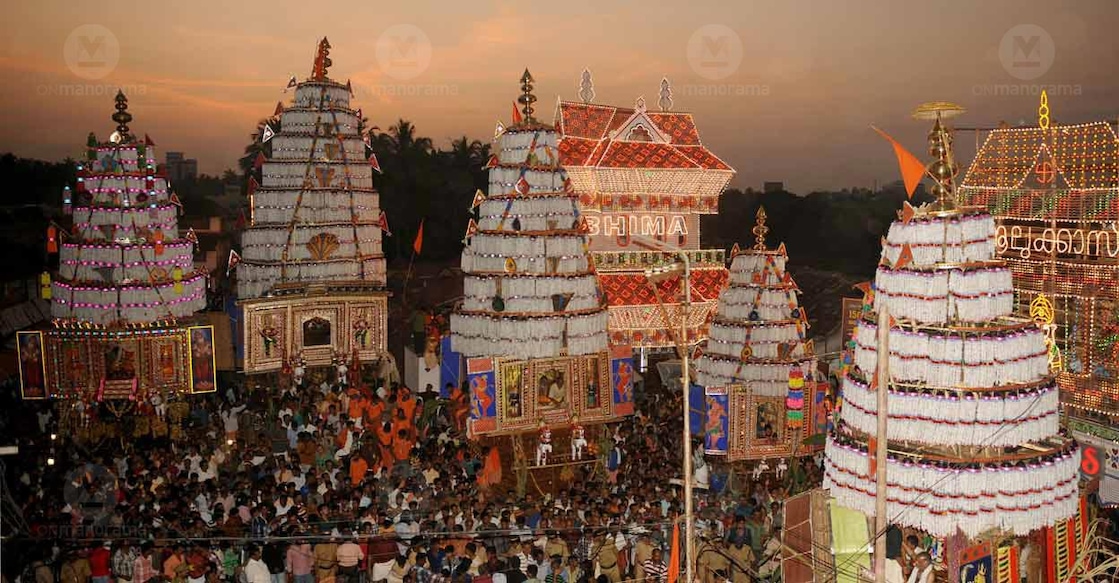
The narrow streets of Kalpathy come alive with the sound of temple drums, chants and the rhythmic movement of massive wooden chariots during the annual Ratholsavam. For ten days, the historic village in Palakkad transforms into a vibrant celebration ground as thousands of devotees gather to witness one of Kerala’s most famous chariot festivals.

Rooted in centuries-old Tamil Brahmin traditions, the Kalpathy Ratholsavam is an important part of the village’s cultural and spiritual identity. The festival also reflects how a community has preserved its customs and rituals through generations, even as the village and its people adapt to changing times.
A village shaped by traditions
Kalpathy took shape along the banks of the Nila River, with Tamil Brahmin families migrating from places such as Thanjavur, Mayavaram (present-day Mayiladuthurai) and Kumbakonam at the invitation of the King of Palakkatussery. Over the centuries, these settlements developed into distinct agraharams, or traditional Brahmin neighbourhoods, each centred around a temple.
The influence of Tamil culture remains evident in the village’s architecture, religious practices and everyday life. In the traditional agraharams, the day begins with women drawing intricate kolams using fine rice flour outside their homes, continuing a practice passed down through generations. The Kalpathy Ratholsavam, too, has its roots in the traditional chariot festivals of Tamil Nadu. However, over the years, it has evolved into a celebration that draws people from different communities and walks of life.
Four temples, one grand celebration
The Ratholsavam is jointly celebrated by four temples: Sri Vishwanatha Swamy Temple, Chathapuram Sri Prasanna Maha Ganapathy Temple, Old Kalpathy Sri Lakshmi Narayana Perumal Temple and New Kalpathy Mandakara Sri Maha Ganapathy Temple. According to C V Murali Ramanadhan, secretary of the Chathapuram Mahaganapathy Temple, the celebrations bring together the traditions of Kerala and Tamil Nadu.
Interestingly, the festival is held around the same time as the famous temple festivals in Mayavaram and Mayuranad in Tamil Nadu. "There are no contests between these temples. They celebrate the Ratholsavam together," says Murali Ramanadhan, highlighting the collective nature of the festivities. The main chariot processions feature three rathas associated with Lord Subramanian, Lord Ganapathy and Goddess Vishalakshi Sametha Vishwanatha Swamy.
One of the interesting rituals associated with the festival involves Lord Ganapathy seeking permission from his father, Lord Shiva, before mounting his chariot. The tradition is observed through a symbolic conversation between two gurus, representing the exchange between the father and son. The chariot processions are among the most anticipated events of the ten-day festival. Hundreds of devotees pull the massive wooden structures through the historic streets using heavy ropes, accompanied by traditional temple music.
Another significant event is the Devaratha Sanghamam, or the coming together of the divine chariots at the Therumutty Junction. After the ritual, the chariots return to their respective villages for Shudhi and Abhisheka poojas. The festival concludes with the Dwaja Avarohana Kriya.
A celebration that brings the village together
For the residents of Kalpathy, Ratholsavam is an occasion that brings families together, including those who have moved away from the village. The festival has changed over the years. K V Ganeshan, an 88-year-old resident of Puthurpathy and a former committee member, recalls how the festival has changed over the decades. His children, who live elsewhere, make it a point to return home for the celebrations every year. "The village erupts in festivities during these ten days. My children, who are settled elsewhere, have come to attend the chariot festival. No matter where they are, they will surely come home at this time," he says.
He remembers a time when the festival was a relatively modest affair, with fewer crowds and a greater emphasis on its religious significance. Today, the celebrations attract massive gatherings, with visitors arriving from across the state and beyond. "In the olden days, the spiritual aspect of the festival had priority. Now, it has become a bit commercial. Everything needs to change with time, right?" he reflects.
Ganeshan recalls how families would stay awake until midnight to watch the deities return to their respective villages after the procession. Even elderly residents would wait for the chariots to complete their journey. "My mother was 90 years old and wouldn't go to bed until the chariots returned," he recalls. Ganeshan shares a fascinating legend associated with the festival. According to local belief, a deity appeared on a hilltop several centuries ago to grant darshan to devotees who were unable to leave their homes.
The sounds and spirit of Ratholsavam
For long-time residents, the noise and bustle of the festival are an inseparable part of life in Kalpathy. Lekshmi Ganeshan, a resident, says the community is accustomed to the crowds and commotion, although visitors from abroad who prefer quieter surroundings may find the atmosphere overwhelming.
"We are used to the din and commotion of the massive crowds that gather in the streets. Those who come from abroad may find it a little uncomfortable because they prefer silence and calm. Since we were born into this commotion, we are used to it," she says. She also points out that certain traditional customs continue to be observed during the festival. According to local belief, if a death occurs in the village during the ten-day celebrations, the chariots must return and make the journey again as part of a purification ritual. The belief is that the deity will then shower blessings on the village.
The people who keep the chariots moving
The Ratholsavam is sustained by the participation of devotees, many of whom travel from outside Kalpathy specifically to take part in the chariot procession. Subrahmanyan, a resident, explains that while people from across the state help pull the chariots, certain responsibilities remain with the local community.
"Only the villagers can set up the wheels and steer the chariot from behind. However, nearly 60 per cent of those who lend their strength to move the chariot are from outside the village," he says.
The streets also witness a surge in commercial activity during the festival season. Although the Ratholsavam itself lasts ten days, vendors and temporary shops begin arriving well in advance, keeping the streets busy for nearly a month.
More than one lakh devotees visit Kalpathy during the festival, providing an important source of income for small traders, street hawkers and other local businesses. However, vendors are required to follow restrictions during the three main days of the chariot procession. The temporary shops can obstruct the movement of the massive rathas through the narrow streets, making it necessary to regulate commercial activity during the main events.
"The festival is kept alive by the people, as they are the ones who pull the chariots," says Subrahmanyan. C V Murali Ramanadhan also notes that the festival offers a valuable opportunity for small businesses and street vendors to earn an income.
Keeping an old way of life alive
Like many traditional settlements, Kalpathy is also experiencing the effects of migration and changing lifestyles. Several households are now home to elderly residents, while younger members of the community have moved to other places in search of employment and opportunities.
Yet, the village continues to hold on to its distinctive identity through its temples, agraharams, rituals and annual celebrations. For the residents, the Ratholsavam is a time when the village's past and present come together. The return of families, the gathering of devotees and the sight of massive chariots moving through familiar streets reaffirm a bond that has endured for generations. As the chariots make their way through Kalpathy, they carry with them centuries of tradition, faith and community participation, keeping the spirit of this historic village alive.
