

India's first high-altitude wildlife safari soon in Ladakh: Snow leopard tracking on the list
Mail This Article


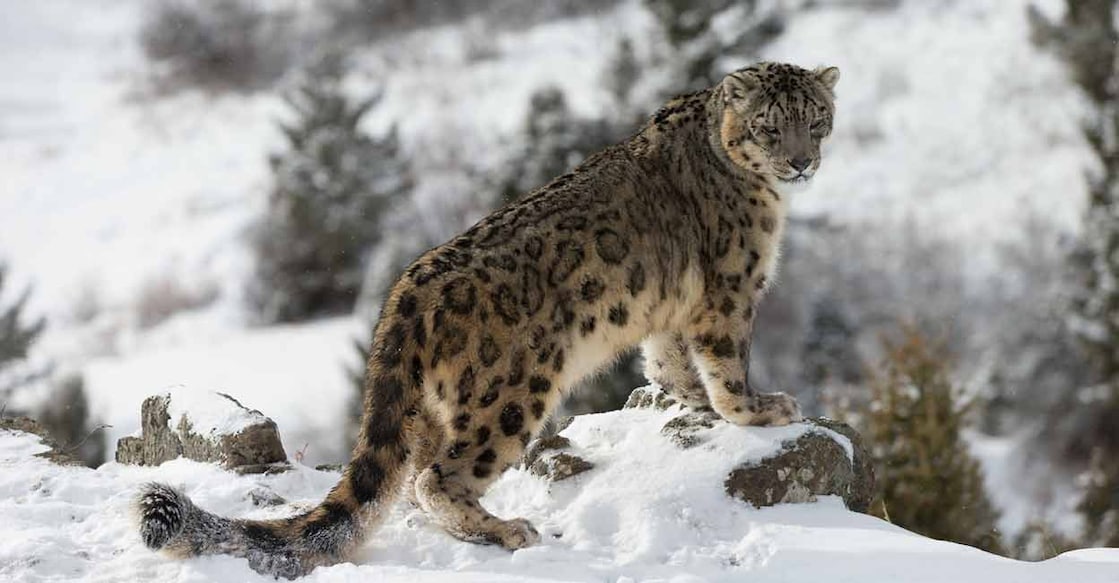
Ever wondered what a snow leopard looks like? Ladakh is home to India's largest snow leopard population, with 477 of the country's estimated 718 snow leopards. The Union Territory also supports over 38 mammal species, around 340 bird species and nearly 1,800 vascular plant species, making it one of the country's most significant biodiversity hotspots. If all goes well, tourists will soon be able to check them out for real, with government approval.
Ladakh will soon launch the country's first high-altitude wildlife safari. Its Lieutenant Governor Vinai Kumar Saxena has approved guided jeep safaris on snow leopard and birdwatching trails to promote sustainable eco-tourism while making local communities equal partners in wildlife conservation and economic development. He has directed all concerned departments to complete preparations before the start of the snow leopard sighting season during the coming winter(November to March).
What tourists get to do?
Under the initiative, the forest department has been directed to introduce the following:
a) Guided jeep safaris, modelled on those operated in national parks such as Kaziranga and Ranthambore, using specially designed open-back vehicles driven by trained local drivers and guides.
b) Snow leopard safaris and birdwatching through routes across Hemis National Park, Changthang and Karakoram Wildlife Sanctuaries, besides wildlife-rich areas such as Nubra, Zanskar, Sham, Kargil and Drass.
c) Chances to photograph rare landscapes and birds like the Golden Eagle and Black-necked crane.
Local guides
As part of the initiative, 20 local youths will be selected and trained in birdwatching, bird identification and bird-spotting skills and equipped with binoculars. Ten birdwatching hides will also be established at major hotspots. The initiative envisages a governance model in which local communities become active stakeholders in protecting Ladakh's fragile ecosystem while benefiting economically from conservation-linked tourism. The move aims to curb illegal off-roading and minimise disturbance to wildlife while enhancing visitors' experience through regulated and eco-friendly tourism.
(With PTI inputs)
