

Why was Nagasaki's death toll lower, despite a more powerful atom bomb? Here's the secret
Mail This Article


'What do you know about Nagasaki?'
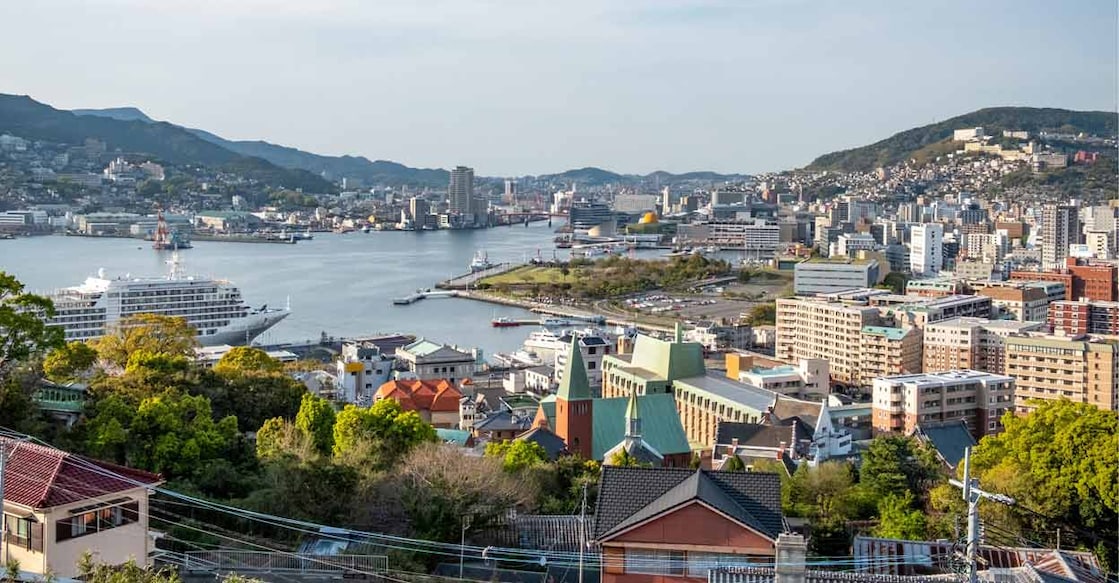
Our local host, Asuka Kameyama asked me as soon as I landed at Nagasaki Airport. For decades, many of us have known Nagasaki only through history textbooks as the tragic site of the second nuclear attack in human history. When I replied thus, Kameyama said with a warm smile, "We have moved forward. What you see today is a completely rebuilt, vibrant Nagasaki."
This remarkable transformation is why the New York Times named Nagasaki as one of the 52 places to visit this year. At a time when global nuclear anxieties are once again on the rise, a journey to this resilient Japanese city is both highly relevant and profoundly moving.
A painful past preserved for the future
Our exploration began at the Nagasaki Atomic Bomb Museum, which opened in 1996 to mark the 50th anniversary of the tragedy. It is a space where visitors can witness the sheer scale of the devastation, a sobering experience that leaves few eyes dry. Among the most striking exhibits is a clock frozen forever at 11:02 am—the exact moment the bomb exploded on 9 August 1945. The gallery is filled with physical remnants of that day: twisted steel beams, melted glass bottles, carbonised clothing, and a soldier's helmet fused with his skull. Hanging in contrast alongside these painful relics are thousands of colourful origami cranes, sent by children from around the world as symbols of peace and hope.

Symbols of reflection and hope
A short walk from the museum brings visitors to the Nagasaki Peace Park and the Hypocentre, the exact spot where the plutonium bomb detonated. Here stands the iconic 10-metre-tall Nagasaki Peace Statue. The statue’s design is rich in symbolism: the right hand points directly to the sky, warning of the threat of nuclear weapons, while the extended left hand gestures for global peace. Its closed eyes offer a quiet prayer for the victims. Nearby, the Peace Fountain flows constantly, dedicated to the thirsty victims who searched desperately for water in the burning aftermath of the blast.
The miraculous camphor tree of Sanno Shrine
Just 800 metres from the epicentre stands the Sanno Shrine, home to a massive camphor tree that has become a living monument of survival. Scorched, blackened, and stripped of its leaves by the explosion, the tree was widely expected to die. Today, it stands lush and green, thriving once again. Local guide Sayaka Yamada explains that the tree has inspired the 'Piece of Peace' project, where fallen twigs are crafted into paper fans and scented oils, spreading Nagasaki’s message of resilience and renewal across the world.
How nature shielded the city
Although the atomic bomb dropped on Nagasaki was technically more powerful than the one detonated over Hiroshima, the immediate loss of life and structural damage, though devastating, was comparatively lower. The secret lies in Nagasaki's geography. Unlike the flat plains of Hiroshima, Nagasaki is nestled within a valley. The rugged, towering peaks of Mount Inasa and neighbouring hills acted as natural shields, absorbing and deflecting a massive portion of the explosive energy, protecting several outer districts from total destruction.
The industrial engine of modern Japan
Nagasaki's modern narrative is not just defined by its history of survival, but also by its economic prowess. If you have ever flown on a modern Airbus A320neo aircraft, you have a direct connection to this city. The high-performance combustion chambers used in the aircraft’s jet engines are manufactured right here in Nagasaki. Additionally, heavy shipbuilding remains a major economic pillar, contributing roughly 20 per cent of the city's gross domestic product and showcasing the immense skill of the local workforce.
A new era of peace tourism
While Hiroshima was quick to establish its reputation for educational peace tourism, Nagasaki is rapidly catching up, drawing a surge of travellers from North America and Europe. The city has recently welcomed major developments, including the state-of-the-art Nagasaki Stadium City Hotel and Peace Stadium, which seamlessly blend sports, leisure, and history. Nagasaki stands as a powerful testament to the triumph of the human spirit—a city that remembers its dark past while looking forward to a bright, peaceful future.
