

Snyder vs Gunn: Two visions of Superman, worlds apart

Mail This Article


James Gunn’s 'Superman' has finally hit theatres, drawing a wave of interest and curiosity. Starring David Corenswet in the titular role, this fresh take on the Man of Steel feels unlike any previous version. Gunn presents a Superman who is kind, vulnerable, and perhaps the most emotionally resonant portrayal we have seen on screen.
Generations have grown up with Superman, the iconic hero who came to represent hope, strength, and a sense of invincibility.
In more recent years, audiences have closely associated the character with Henry Cavill’s portrayal in 'Man of Steel'. Directed by Zack Snyder, that film reimagined Superman as a god-like alien, distant, powerful, and burdened by his otherworldly identity. Cavill’s imposing presence and the film’s mythic tone amplified this larger-than-life image.
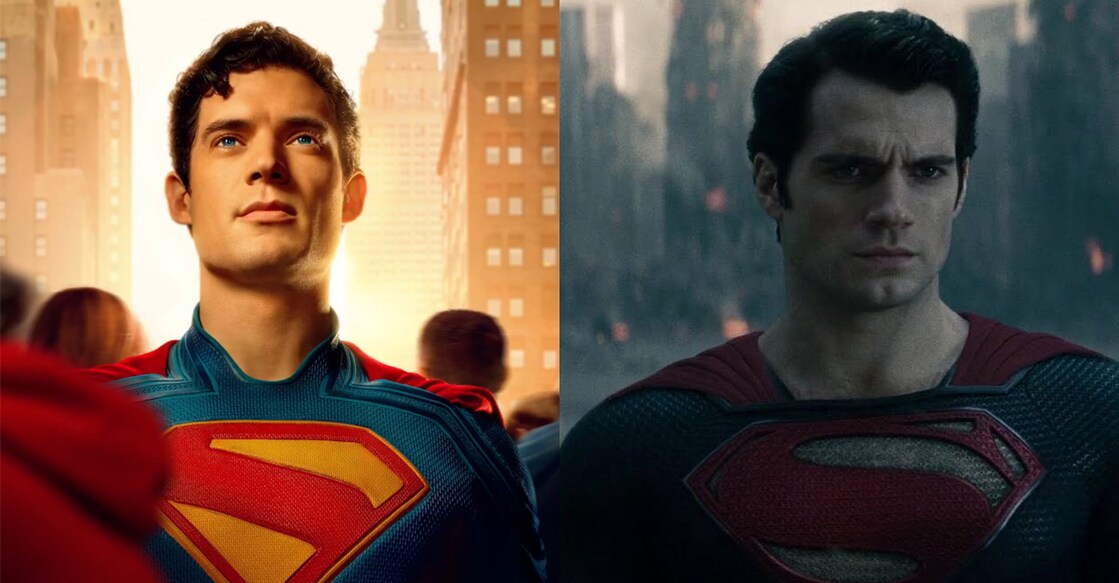
Gunn’s 'Superman' takes a very different path. While the origin story remains familiar, an alien sent to Earth from Krypton, Corenswet’s Clark Kent is more grounded, emotionally open, and deeply empathetic. He feels like a hero who lives among people, not above them. Where Snyder’s Superman resembled a deity attempting to connect with humanity, Gunn’s version is a human striving to live up to his extraordinary gifts. It is a tonal shift that softens the myth and brings out the man.
Even visually, the two films could not be more different. 'Man of Steel' leans into a cold, desaturated palette, with muted blues, greys, and dark silvers dominating the screen. Superman’s iconic red-and-blue suit is subdued, stripped of its comic book vibrancy. This bleak aesthetic aligns with the film’s themes of isolation, internal struggle, and existential burden. Snyder’s Superman was not about saving the world. He was trying to figure out if he belonged in it at all.
In contrast, Gunn’s 'Superman' bursts with colour and warmth. The film embraces a lively, comic-book-inspired palette filled with golds, oranges, browns, and pops of vivid red and blue. The cityscapes are sun-drenched and alive, echoing the optimism of classic Superman stories. This richer visual style reflects the emotional core of Gunn’s vision, one of hope, kindness, and approachability.
Beyond the colours, the camera itself tells a different story. Snyder often shot Superman from low angles, silhouetted against dramatic skies, reinforcing his godlike image. Gunn frames Corenswet’s Superman more intimately, often at eye level, in natural light, encouraging the audience to see him not as an untouchable figure but as someone relatable. There is a sense of ease in how this Superman moves through his world. His presence feels less mythic and more human.
The music also mirrors this tonal shift. Hans Zimmer’s score in 'Man of Steel' was powerful and dramatic, built on heavy percussion and sweeping orchestration that heightened the grandeur of Snyder’s vision. In contrast, Gunn’s 'Superman' opts for a more uplifting and nostalgic sound. The score embraces melodic themes and brighter instrumentation, reinforcing the emotional accessibility of the story and adding a touch of classic superhero charm.
Humour plays a key role as well. Gunn’s trademark wit finds space in the film, subtle and character-driven, and never at the expense of sincerity. The emotional weight remains, but the dialogue and interactions feel lighter and more lived-in. In Snyder’s version, humour was virtually absent, with the focus placed squarely on scale, intensity, and visual spectacle.
In many ways, Gunn’s 'Superman' feels like a reset, not just for the character but for the way superhero stories are told. It brings Superman back to his roots, a beacon of hope not because he is perfect, but because he chooses to care. In a cinematic landscape filled with cynicism and collapsing multiverses, this Superman offers something rare. Sincerity, warmth, and the quiet courage of someone who still believes in good. And that might be exactly what the world needs now.
 Add as a preferred source on Google