

AR Rahman addresses criticism, says his music has always been rooted in India
Mail This Article


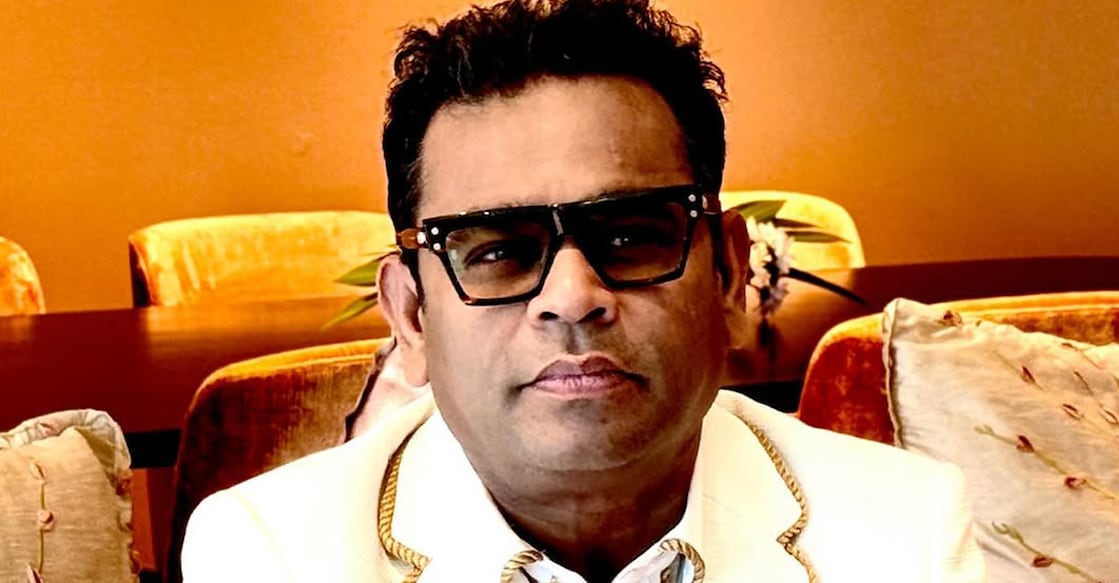
Music composer AR Rahman has addressed the backlash surrounding remarks he made in a recent interview, reiterating his deep connection to India and clarifying that his words were never meant to hurt or divide. Responding to the controversy, Rahman shared a video statement reaffirming his commitment to the country and the values that have shaped his music.
The video was accompanied by visuals of his iconic composition Maa Tujhe Salaam/Vande Mataram being performed at a cricket stadium, with thousands joining in. The imagery appeared to underscore Rahman’s long-standing association with patriotic music and his belief in music as a unifying force.
In his message, Rahman described India as both his home and his greatest source of inspiration. He spoke about how music has always been his way of engaging with the country’s cultural spirit. “Music has been my way of connecting, celebrating and honouring our culture,” he said, adding that India remains his teacher and foundation. Acknowledging the reactions to his interview, Rahman noted that intentions can sometimes be misunderstood, but stressed that his work has always been guided by sincerity. He said his aim has been to uplift and serve through music, and that causing pain was never his intention.
Rahman concluded the statement by expressing gratitude for the country and reaffirming his commitment to creating music that respects India’s history and legacy. The video closed with scenes of the stadium audience singing along to Maa Tujhe Salaam, reinforcing the emotional weight of the moment.
The controversy stems from Rahman’s interview with BBC Asian Network, where he was asked about his experiences as a Tamil composer working in Bollywood. When questioned about prejudice, Rahman said he had not personally felt it, possibly because it had been shielded from him. However, he added that changes over the past several years had altered power dynamics within the industry. He suggested that people without creative backgrounds now held greater influence and briefly alluded to the possibility of communal factors, though he said none of this had been directed at him personally.
 Add as a preferred source on Google