

Timothee Chalamet’s Oscar snub explained: How Marty Supreme lost the race
Mail This Article


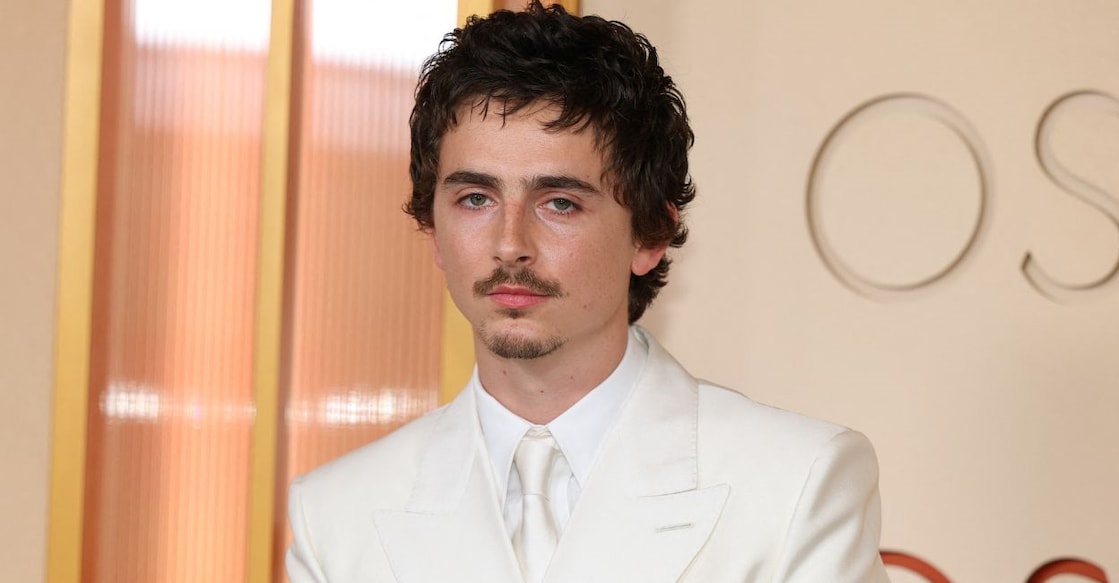
The road to the 98th Academy Awards appeared promising for Timothee Chalamet. The actor arrived at the ceremony alongside partner Kylie Jenner with strong momentum behind his performance in Marty Supreme. By the end of the night, however, the film walked away empty-handed despite being one of the most nominated titles of the year.
Chalamet had been nominated for Best Actor for his portrayal of ambitious ping-pong prodigy Marty Mauser in the film directed by Josh Safdie. The movie also earned a Best Picture nomination, which Chalamet shared as a producer, along with several major categories including Best Director and Best Original Screenplay. In total, the film collected nine nominations. Yet none translated into wins, placing it among the rare Oscar contenders to leave the ceremony without a single trophy despite multiple nods.
The biggest upset of the night came in the Best Actor race. Chalamet ultimately lost the award to Michael B Jordan for his performance in Sinners. The result marked a significant shift from the early awards season, when Chalamet appeared to be the frontrunner.
For much of the season, the actor had built a strong case. He picked up major trophies at the Golden Globe Awards and the Critics’ Choice Awards, both of which positioned him as a likely Oscar favourite. However, the tide began to turn when Jordan won the top acting honour at the Screen Actors Guild Awards, widely considered one of the most influential precursors to the Oscars. That victory shifted industry momentum toward Jordan just weeks before the Academy ceremony.
Complicating matters further was a controversy that surfaced shortly before the Oscars. During a conversation about the future of movie theatres, Chalamet made remarks suggesting that “no one” cared about opera or ballet anymore. The comments quickly circulated online and drew criticism from sections of the arts community.
Among those who reportedly pushed back was acclaimed filmmaker Steven Spielberg, whose films have long championed traditional performing arts and classical storytelling traditions. While the backlash did not directly affect voting, the controversy added an unexpected layer of scrutiny around Chalamet at a crucial moment in the awards cycle.
The remarks were made during a discussion with actor Matthew McConaughey, Chalamet’s co-star in Interstellar, while talking about whether theatrical moviegoing could survive the streaming era.
In the end, the combination of shifting awards momentum and the surrounding debate meant that what had once looked like a triumphant Oscar campaign turned into a disappointing night for Chalamet and his film. For an actor still early in his career, the snub may be temporary, but the 2026 Oscars will likely be remembered as the night a strong frontrunner lost the race in its final stretch.
