
Mallika Sukumaran resigns from AMMA in solidarity with Shwetha Menon
Mail This Article


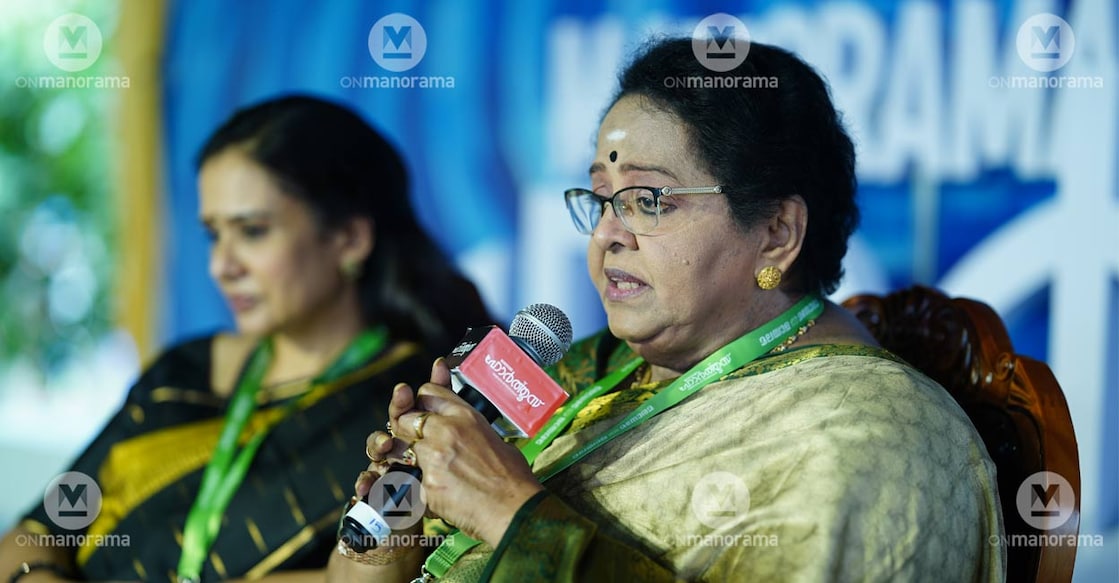
Senior actor Mallika Sukumaran announced her resignation from the Association of Malayalam Movie Artists (AMMA) on Monday, a day after its executive committee, led by Shwetha’s leadership, stepped down during the general body meeting. Her decision was made in solidarity with actor Shwetha Menon.
In a strongly worded post on Instagram, she wrote, “Stepping down with love from AMMA. Standing with the truth, standing with Shwetha Menon.” She also expressed dissatisfaction with the association, accusing it of neglecting major industry issues while getting distracted by internal disputes and gossip.
Separately, Mallika Sukumaran spoke on the broader state of the Malayalam film industry and recent policy developments. She referenced the Kerala government’s Budget 2026–27, which granted the film sector industry status and outlined incentives including concessional land, industrial power tariffs, loans through KSIDC, higher subsidies, additional support for women-led films, and plans for VFX and film infrastructure parks. She described these measures as a potential blueprint to transform Kerala into a major film production hub, with projections of significant investment and employment generation.
However, she criticized AMMA’s recent general body meeting, saying its focus had drifted toward interpersonal conflicts and misconduct allegations rather than strategic planning for the industry. According to her, the discussion should have centered on how to leverage government support to build studios, develop training programs, particularly for women technicians, and strengthen production infrastructure.
She argued that the industry risks losing momentum if it fails to act collectively. According to her, senior actors such as Mohanlal and Mammootty could play a key role in engaging with the government to fast-track initiatives like training centres and VFX parks, with agencies such as KINFRA positioned to support land allocation and infrastructure development.
Mallika Sukumaran also highlighted the gap between policy and practice, noting that while the budget offers incentives for women-led films, women in the industry continue to face structural challenges within the association. She stated that without institutional mechanisms, such as internal complaints committees, transparent processes, and women-focused production incentives, the industry may struggle to attract large-scale investment despite government support.
She concluded that the absence of coordinated action from major stakeholders risks weakening Kerala’s emerging advantage in the film sector. Attempts to reach Mallika Sukumaran for further comment were unsuccessful.
 Add as a preferred source on Google