

What happens when you quit sugar for a month? Even your morning chai tastes different
Mail This Article


We talk a lot about “cutting sugar” like it’s a punishment. But if you’ve ever tried giving up sugar for a month, you know it’s more like switching the background music of your life; from loud, artificial pop to something subtle and real. Suddenly, everything else - coffee, fruit, even chapathi - starts to taste different.
Here’s what really happens, not just to your body, but to your plate and palate.
1. Fruits turn into dessert
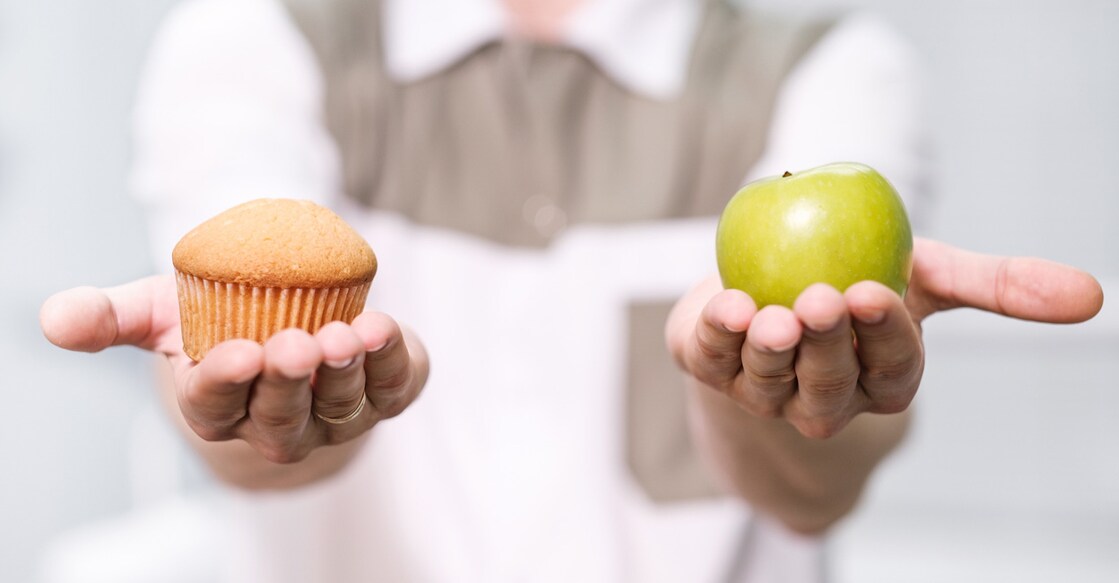
The first few days might feel like a heartbreak. No cakes, no biscuits, no that teaspoon of sugar in tea. But soon, your taste buds recalibrate. An apple tastes sweet again. A ripe banana feels indulgent. Even plain curd with a few pomegranate seeds becomes dessert-level joy.
Sugar dulls your ability to taste natural sweetness. Once you stop, even carrots start tasting like they’ve been dipped in syrup.
2. Coffee and tea become about the bean and the leaf
If you’ve been taking your chai or coffee with sugar, the first unsweetened cup might feel bitter—literally and emotionally. But after a week or two, you’ll notice something new: the notes.
You start picking up the actual flavour of the tea leaves or the roast of the coffee bean. It’s like discovering that your favourite singer has been hiding behind auto-tune all this time.

3. Spices get their spotlight back
Without sugar sneaking into ketchup, sauces, and even bread, your food starts tasting more… honest.
The smokiness of cumin, the sharpness of mustard seeds, the tang of tamarind—they all return to centre stage. You begin to appreciate how our traditional recipes balance flavours without needing that extra spoon of sweetness.
Try a sugar-free version of your usual curry or chutney. You’ll realise how clever our grandmothers were with souring agents like kokum, tamarind, or tomato instead of sugar.
4. Hidden sugars start showing up everywhere
Go a week without sugar and you’ll turn into a label detective. Suddenly, you’ll notice that your ketchup, breakfast cereal, and even “whole wheat” bread are loaded with it.
Once your palate resets, these foods taste overly sweet, almost fake. You’ll probably end up reaching for simpler, more homemade stuff, like idli, dosa, or poha, because they just feel cleaner.
At first, your body throws tantrums. You’ll crave chocolate after lunch or something “sweet” after dinner. But soon, those cravings fade and get replaced by something else; salt, spice, crunch.
Instead of digging into cookies, you might find yourself munching roasted chana or peanuts. Your snack shelf starts looking more desi and less supermarket.
6. Your kitchen smells different
When sugar disappears, something changes in how you cook. You start experimenting—adding dates or jaggery occasionally, not because you “need” sweetness, but because you want flavour.
Ginger tea starts making more appearances. Steamed corn tastes like comfort food. The aroma of slow-roasted vegetables or freshly cooked gram curry suddenly feels enough.
7. The comeback bite hits differently
After a month, when you finally taste something sweet again—a small piece of chocolate or a spoon of payasam—it hits hard.
You realise how powerful sugar is, how it coats everything and makes you crave more. And weirdly, you might find that one piece is enough now.
Cutting sugar isn’t about becoming “that person” who refuses cake at birthdays. It’s about rediscovering flavour. The tang of curd, the sweetness of a ripe mango, the earthy kick of ginger...all of it gets amplified. You start tasting food, not sugar pretending to be food.
 Add as a preferred source on Google