

How a young Kerala farmer rescued original cinnamon and brought it back to our kitchens
Mail This Article


If you love the warm, sweet smell of cinnamon in your tea, biryani or cakes, here is a story that will make you smile. In Cherukulam, Malappuram, a young farmer named Nithin has quietly brought back the original cinnamon that once grew across his family’s land. And he is doing it so people get a spice that is safe, clean and full of flavour.
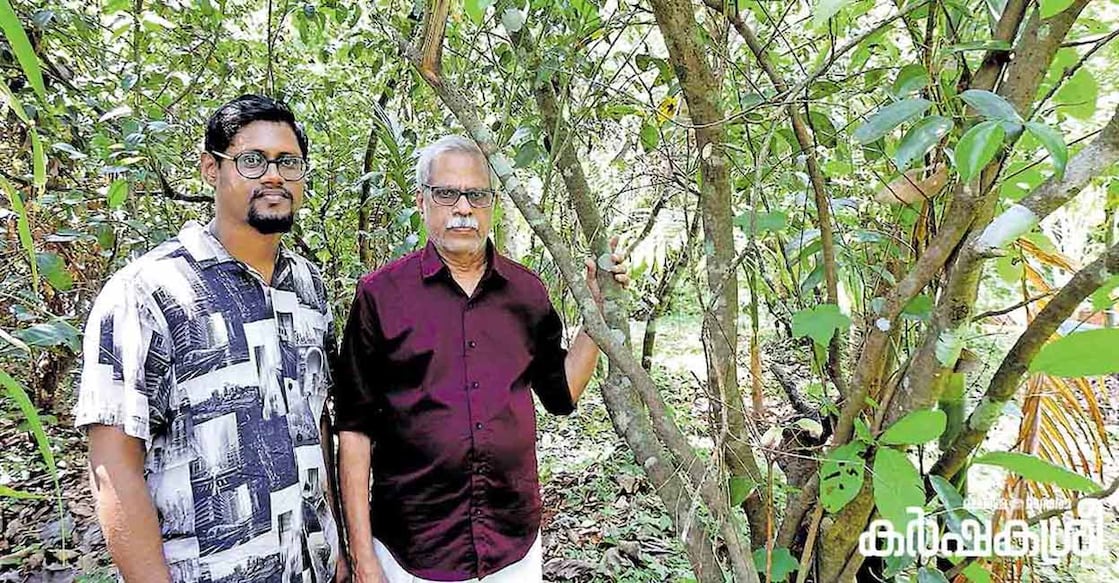
“Farming began on this property 40 years ago. The 40-acre plot, shared by several members of the family, was once full of cinnamon trees. When cheap Chinese cinnamon flooded the market, everyone except my father stopped farming. Only eight acres of cinnamon survived. I had taken part in cinnamon harvests as a child, so I could never cut down these trees,” Nithin says, standing in his plantation in Elangoor. His father Kunjiraman fully agrees.
Nithin says the problem is simple. “People need to realise that the Chinese cinnamon available today contains harmful elements. That is why I revived the old plantation. And it worked. Around 2,000 families now buy cinnamon directly from here every year.”

The cinnamon most kitchens do not know enough about
Cinnamon has many variants. The original and safest one is Cinnamomum zeylanicum or Cinnamomum verum. That is what Nithin grows. But what most shops sell as Chinese cassia is Cinnamomum cassia. It looks similar and has a stronger kick, which some cooks like. But studies show that regular consumption can cause liver cirrhosis because of coumarin, a harmful compound.
Nithin says many people fall for the strong aroma without knowing the risks. True cinnamon is gentle, sweet and naturally good for health, which is why he held on to this loss-making crop.
Before jumping into entrepreneurship, Nithin completed his MBA and worked for a while. Then he studied cinnamon seriously. Samples from his plantation were tested at TBGRI in Thiruvananthapuram, confirming that his cinnamon was free of damaging content and rich in medicinal value. That report convinced him to take original cinnamon straight to home kitchens.
From tree to spice rack
Harvesting cinnamon is delicate work. Farmers cut four to five year old stalks close to the root and peel the brown outer bark without mixing the inner wood. The bark is then dried in the shade to protect its aroma. Labour and processing costs easily cross Rs. 1,000 per kg. With cassia selling at one fifth the price, this was a big hurdle.
But Nithin slowly built a loyal market by talking about the health benefits of true cinnamon and sharing recipes and tips on social media.
There is more. Cinnamon berries is also in demand. It has a lovely taste and aroma and sells for around Rs. 1,600 per kg, mostly bought by food processing businesses. His eight acre plantation now has about 5,000 cinnamon trees, both old and newly planted. Gliricidia plants are grown on the farm is used as organic manure. A once neglected plantation is now thriving.
A spice comeback worth celebrating
Nithin says the demand for original cinnamon grows every year. More people are choosing healthy, trustworthy spices for their cooking, and that is bringing new life to the farm.
From breakfast oats to biryani, from tea to traditional sweets, Nithin’s cinnamon has found its way back into Kerala kitchens. And that is the kind of comeback every food lover can get behind.
 Add as a preferred source on Google