

Washing store-bought eggs is a bad idea: That “quick rinse” could ruin them
Mail This Article


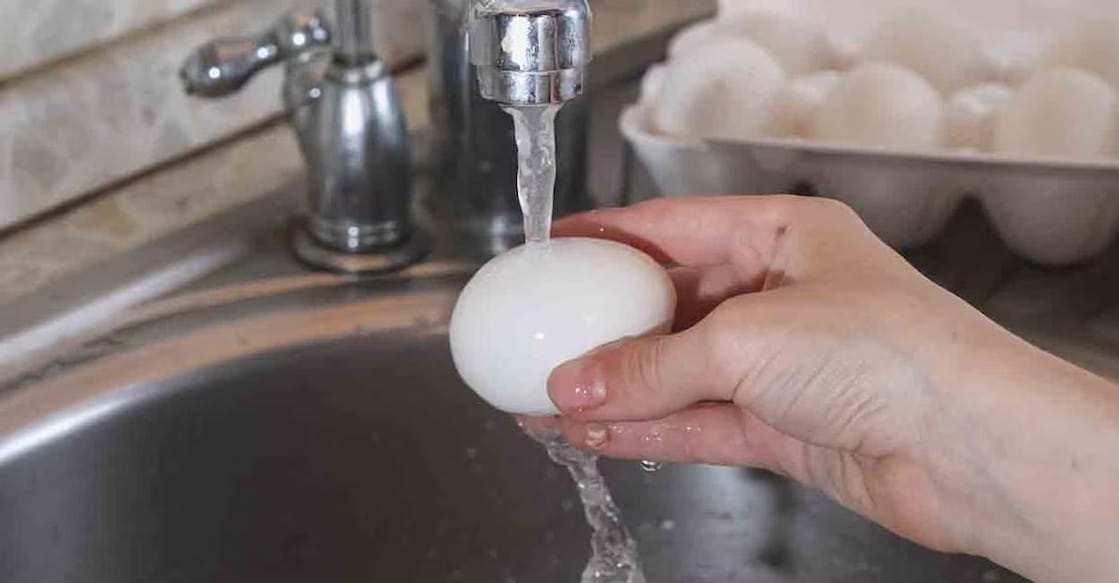
Most of us have done it. You bring home a tray of eggs, spot a little dirt, and immediately take them to the sink for a “quick clean”. It feels responsible. It feels hygienic. But food scientists say the habit does more harm than good.
Every egg is covered with a natural protective layer called the cuticle, also known as the bloom. It seals the tiny pores on the shell and keeps bacteria from sneaking inside. When you wash an egg, this protective layer can get wiped away, leaving the shell exposed. Once that happens, bacteria like salmonella can move in far more easily.
The risk gets worse when cold eggs meet warm water. That temperature difference creates pressure that draws surface bacteria through the pores and into the egg. This is one reason many countries sell eggs unwashed and expect people to store them as they are.

So what should you do if the egg looks messy? Keep the water off. Use a dry cloth or paper towel to gently wipe away dirt. If washing feels unavoidable, do it right before cooking, use lukewarm water, and use the egg immediately. And absolutely no soaking. Ever.
Here are a few storage tips that actually make a difference.
- Store eggs away from the fridge door
The door is the warmest, most unstable part of the fridge. Temperature swings speed up spoilage. Place eggs on an inner shelf where the air stays cool and steady. - Keep the pointed end down
Eggs stay fresher when the pointy side faces down. The round end holds a small air pocket that should sit on top so the yolk stays centered and the egg lasts longer. - Don’t wash before storing
That protective cuticle is the egg’s first line of defence. If there’s dirt, wipe it dry and refrigerate it as is. Wash only right before using. - Store them in their carton
Eggshells are porous and can absorb smells from nearby food. The original carton or a closed container keeps unwanted flavours out and freshness in. - Do the float test
Not sure if an egg is still good? Place it gently in a glass of water. Fresh eggs sink. Old ones float. If it bobs at the top, don’t take a chance.
Eggs might seem simple, but the way you handle them matters. Skip the sink, store them smartly, and let the cuticle do the hard work. Your scrambled eggs, French toasts and Sunday breakfasts will taste better for it
 Add as a preferred source on Google