

2025 was the year of matcha
Mail This Article


2025 was the year of matcha.
It was everywhere. In cafés, kitchens, reels and recipe notebooks. Green, grassy, slightly bitter and suddenly non-negotiable.
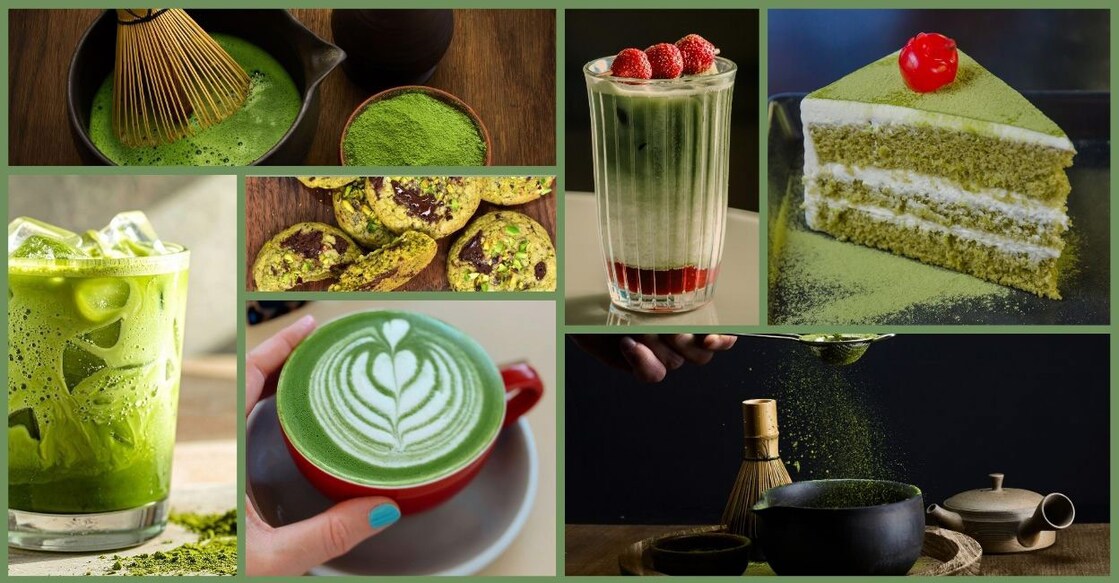
It did not arrive with fireworks or a loud launch but seeped in slowly. First as a drink order you noticed more often. Then as a powder on café shelves. Soon it was in cookies, tiramisus, cheesecakes, soft serves, lattes both hot and iced. In home kitchens, where espresso machines shared counter space with bamboo whisks and ceramic bowls. By the time the year settled in, matcha was no longer a trend, it became the regular.

Every year has its thing. There was the pumpkin spice latte phase, engineered to announce autumn before the weather could. There was the era of brunch as a lifestyle, where weekends revolved around eggs, sourdough and queues that began forming at 9 am. Then came the avocado toast years, relentlessly photographed, sliced and mashed into internet permanence.
But 2025 belonged to matcha.
The internet, predictably, fell in love with the colour. That soft, matte green showed up beautifully on screen. But the appeal went beyond aesthetics. Matcha aligned neatly with the cultural mood of 2025. Wellness that did not scream. Luxury that felt quiet. Caffeine that promised steadiness rather than a jolt.
Cafés leaned into the ritual. Menus began listing origins and grades. “Ceremonial grade” stopped sounding obscure and started sounding aspirational. Ceramic bowls replaced takeaway cups, at least for those moments meant to be savoured rather than rushed. By mid-year, matcha had crossed the point of trend and entered habit. It was no longer a novelty order. It was what people reached for without thinking. The default alternative to coffee.
At home, matcha felt approachable yet serious. Unlike coffee, it demanded attention. Water too hot would ruin it. Whisk too fast and it clumped. The process mattered. In a year defined by constant scrolling and shortened attention spans, matcha offered a pause, a small act that required both hands and a few uninterrupted minutes.
According to the Japan External Trade Organization, global demand for matcha has surged in recent years, driven largely by younger consumers and overseas markets. Tea producers in Kyoto told The New York Times that demand from cafés and bakeries outside Japan has grown faster than they can keep up with. What was once niche had become mainstream, and fast.
Yes, it tastes like grass
Matcha often does taste grassy, especially to first-time drinkers. The flavour comes from shade-grown tea leaves that are high in chlorophyll, which gives matcha both its bright green colour and that fresh, vegetal note. Good matcha is grassy in a clean, spring-like way, not harsh or muddy. Lower-quality matcha tends to taste aggressively bitter or flat, which is why many people first encounter it drowned in sugar and milk. Higher grades are smoother and more balanced, and once you get used to it, the grassy note becomes part of the appeal.
Better, not bitter, than coffee
What also helped was the quiet understanding that matcha felt good to drink. Unlike coffee, which spikes and crashes, matcha offered a steadier lift. Because it is made from whole tea leaves ground into powder, you consume the leaf itself, not just an infusion. That means more antioxidants, particularly catechins, which have long been associated with heart health and reduced inflammation. Matcha also contains L-theanine, an amino acid that tempers caffeine and promotes a sense of calm focus.
Trends, of course, move on. Something else will take over menus and feeds. Another ingredient will be crowned the flavour of the year. But matcha’s hold on 2025 felt unusually steady. For one year at least, the world went green.
 Add as a preferred source on Google