

Spinach, the ‘dirtiest’ food ever? An Indian kitchen favourite hiding a pesticide problem
Mail This Article


It goes into dal without fuss. Gets blended into smoothies to make them “clean”. Is the first green many parents introduce to children. In Indian kitchens, this ingredient carries a quiet halo of goodness. Spinach has always enjoyed a special status in Indian kitchens.
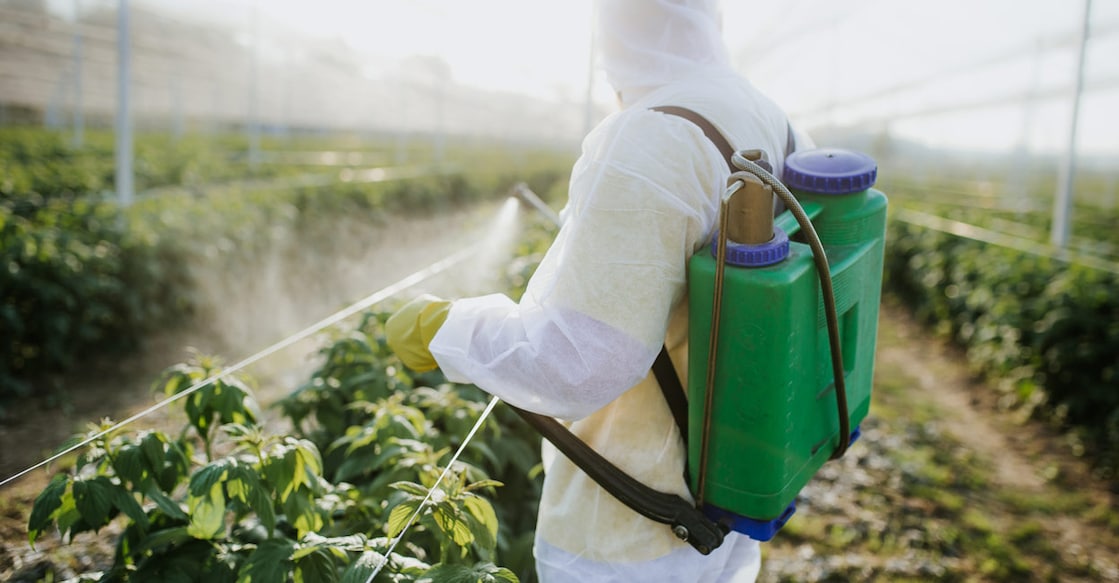
Which is what makes its reputation on global pesticide rankings so uncomfortable. According to the Dirty Dozen™ list — a compilation that tracks pesticide residues on commonly eaten fruits and vegetables — spinach repeatedly emerges as the most contaminated produce item by weight, carrying traces of multiple pesticides even after washing.
What the Dirty Dozen actually measures
The Dirty Dozen list is drawn from large-scale testing of commonly sold produce. Items rise in the ranking based on three simple criteria:
- How often pesticide residues are detected
- How many different pesticides are found on a single item
- The concentration of residues by weight
In other words, this is not about a vegetable being sprayed once or twice. It is about how chemically crowded it remains by the time it reaches the kitchen.

The Dirty Dozen 2025: the most contaminated produce items
Here’s the list that often makes shoppers pause mid–fruit basket:
- Spinach
- Strawberries
- Kale, collard and mustard greens
- Grapes
- Peaches
- Cherries
- Nectarines
- Pears
- Apples
- Blackberries
- Blueberries
- Potatoes
Many of these are familiar offenders. Apples and grapes have long had a reputation for heavy spraying. Berries, with their delicate skins, absorb more than they repel. Potatoes are treated aggressively to survive storage.
But the presence of spinach at number one is what turns this list from mildly worrying to genuinely unsettling, especially for Indian readers.
Why this hits close to home
Spinach in India isn’t a side dish. It is cheera, palak, keerai - folded into everyday cooking with barely a thought. It is lightly cooked, sometimes barely wilted. It is eaten by people who believe they are making the better choice.
Leafy greens, however, are particularly good at holding on to pesticides. Their broad, crinkled surfaces trap sprays easily, and repeated applications are often used to protect them from insects. By the time they reach markets, residues can remain embedded in the leaves, long after the visible dirt is gone.
Which means the vegetable many Indians eat to feel healthier is also one of the most chemically loaded.
So what can you actually do?
So what does this mean for the Indian kitchen? Not that spinach needs to be banished, but that it deserves a little more care. Small changes help, especially for a vegetable eaten so often.
- Wash beyond a quick rinse: Separate the leaves, soak briefly, then rinse well to remove surface residues trapped in the folds.
- Cook it properly: Blanching or boiling and discarding the water reduces more residue than quick wilting or stir-frying.
- Go easy on raw spinach: Regular smoothies and salads leave residues largely untouched.
- Rotate your greens: Mixing spinach with other leafy vegetables limits repeated exposure from a single source.
 Add as a preferred source on Google