

Mail This Article


For New Yorkers discovering the flavours of Kerala at 'Kidilum', there is one word that lingers after a satisfying meal: “kidilam”. Meaning 'fabulous' in Malayalam, the name captures the experience rather neatly.
And that is no exaggeration. Those who walk in hungry often leave with both their stomachs and hearts full, wanting more. For anyone hearing the name for the first time, the obvious question is whether there are other restaurants like it. The answer is simple. There is only one Kidilum and nothing quite like it.
At the heart of Kidilum’s distinctive flavours is Malayali chef Vinu Ravindran, whose kitchen brings the diverse tastes of Kerala to New York diners. The menu spans everything from podi idli and Kerala-style jackfruit and crab curry to Thalassery biryani and classic Angamaly pork roast.
Kidilum is the latest venture from hospitality group Hungry Trio, founded by Sameer Rajpal, Archana and Siddharth Sharma. Chef Vinu joined the team around the time Kidilum opened two years ago.

Since then, the restaurant has been carving out a distinct space in New York’s culinary scene. In this interview with Manorama Online, chef Vinu Ravindran talks about Kidilum’s culinary journey, the growing fascination with Kerala cuisine among New Yorkers and how its flavours are winning an appreciative audience thousands of miles away.
Kidilum and the team
In Malayalam, “Kidilam” is what you call something that is more than just good. It is the word that comes out when ordinary praise does not do justice. That is exactly the standard we have set for our food and service. Whether it is a dish, the way it is served or even a tiny detail that a guest may never consciously notice, we ask ourselves: “Is this Kidilum?” If the answer is no, it does not make it out of our kitchen.
I came to the United States with the sole aim of taking South Indian cuisine to the global stage. I was fortunate to find partners such as Sameer Rajpal, Siddharth Sharma and Archana Sharma, who believed in the idea from day one. I built the rest of the team from people I had worked with over the years. Chef Chandan Bhagat is our sous chef, Ajith Kumar is the general manager, and Harish Subramanian heads the beverage programme.
Kerala cuisine in New York
Kerala has one of India’s most diverse and flavour-packed culinary traditions. On the global stage, however, it has not quite received the recognition it deserves. Kidilum is my attempt to change that.
I trained initially as an Italian chef and went on to work in Spain, Hong Kong, Dubai and Malaysia, gaining new techniques, ingredients and ways of looking at food.
For years, I was looking outward. Then came the realisation that the food I most wanted to cook was the food I had grown up eating. The answer had been right there all along, in my mother’s kitchen.
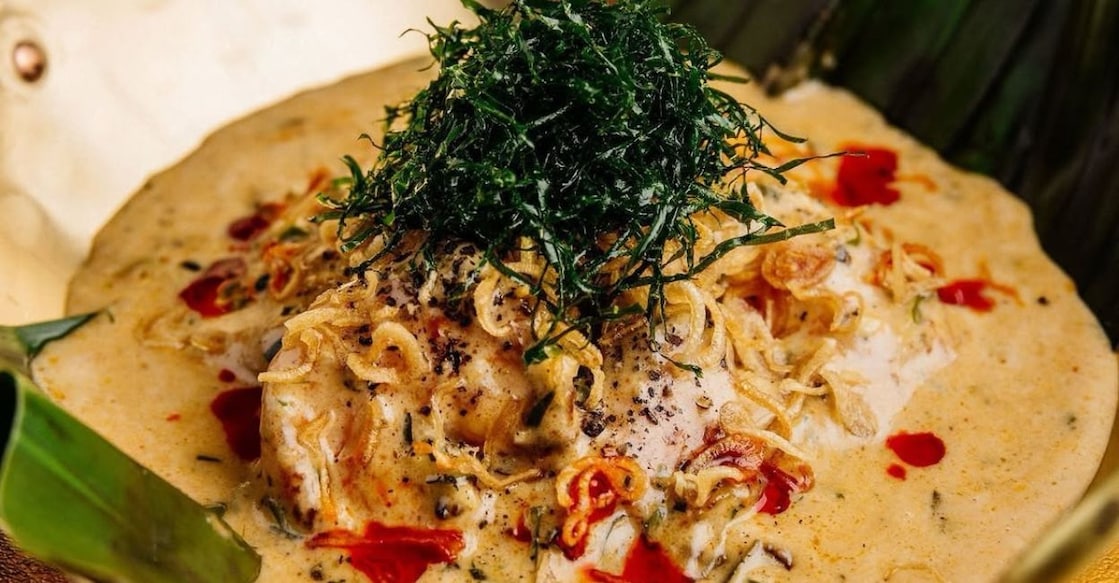
Kidilum is my way of looking at Kerala cuisine afresh. I wanted to bring together sophisticated techniques, quality ingredients and beautiful presentation without losing what makes the cuisine distinctly Kerala. I never wanted to dilute the intensity of our food simply to suit New York palates. The idea was to let the flavours speak for themselves and show that Kerala cuisine can stand proudly alongside the world’s great culinary traditions.
Getting the spice right and winning over New Yorkers
Kerala cuisine is known for its bold flavours, but there is a common misconception that it is all about the heat. It is not. At its heart, Kerala food is about balance, with heat coming together with tanginess, the sweetness of coconut, the aroma of curry leaves and the depth of roasted spices. One flavour leads to another, creating a layered experience.
New Yorkers are curious eaters who enjoy discovering new flavours and are quick to embrace food when it is presented honestly. We make adjustments based on individual preferences, but never compromise the character of a dish. The aim is to make Kerala cuisine accessible without compromising its authenticity.
The dish that defines Kidilum
It is difficult to name just one signature dish because every item on the menu has its own appeal. So I would rather talk about something that is not even on the menu, our podi idli.
It is a complimentary amuse-bouche served to every guest as soon as they are seated. For me, that little bite captures the philosophy of Kidilum. It takes a simple South Indian favourite and turns it into something memorable through technique, precision and attention to detail.
For guests, it is their first taste of South Indian cuisine. It awakens the palate and assures them they are in good hands. Everything else on the table builds from there.
Beyond the usual Indian fare
When I came to New York, I had no desire to open yet another Indian restaurant. I wanted to showcase the diversity of South India, especially Kerala, to the world. Our cuisine is shaped by spices, the coastline and centuries of trade and cultural exchange. I wanted those stories to find their way to the table.
But simply recreating dishes as they are made back home would not necessarily appeal to every New York diner. The challenge was to make the food approachable without taking away its soul. Kidilum is built around that balance.
At first, I was slightly hesitant about introducing certain ingredients, particularly fermented dishes and regional flavours that even some people in Kerala may not readily embrace. Instead of hiding them, we gave them a familiar structure, got the proportions right and told guests the stories behind the dishes.
The response has been rewarding. Some dishes I was initially unsure about are now among those guests return for. When food is presented with confidence, care and honesty, people are willing to step beyond the familiar and discover something new.
The art of serving crab
This was one of the toughest challenges we faced. In Kerala, eating crab is never just about the food. We sit around the table, crack the shells with our hands, talk, laugh and dig into the meat. It is a shared experience, and much of the fun lies in the joyful mess. I did not want to take that away.
So we changed the way the dish is served. We take out the crab meat and sauté it Kerala style, which makes it easier to enjoy at the table. Guests can still crack the shells, use their hands and savour the meat, just as they would back home.
For me, authenticity goes beyond a recipe. It is about preserving the emotion, experience and memories that come with it. I want a guest in Manhattan to feel the same joy my family feels when we eat crab in Kerala. We have made a few changes, but the soul of the dish remains untouched.
The flavours that bring people home
The response has been far more encouraging than I expected. Seeing New Yorkers and visitors from around the world fall in love with dishes they have never tasted before has been incredibly rewarding.
But the moments I cherish most are when a Malayali guest walks in, tastes the food and tells me it has taken them straight back home.
The Malayali community welcomed us with open arms from the beginning. They supported us, shared our story and brought their friends and families to the restaurant. That support gave us the confidence to dream bigger and stay true to what we set out to do.
A favourite from the menu
Growing up in Kerala, I have always had a soft spot for seafood. So asking me to choose just one dish would hardly be fair. Give me fresh, seasonal ingredients cooked with care, and I am happy.
What excites me most is the layering of spices, building one flavour on another and using them to bring out the main ingredient rather than overpowering it. This balance matters even more with seafood, where too much spice can drown out delicate natural flavours. The seasoning has to complement the fish without taking over.
Why did Kerala cuisine take so long to reach the global stage?
There is a certain irony to it. Centuries ago, the world came looking for us. Traders crossed oceans in search of Kerala’s spices, and through that exchange, we absorbed influences from distant shores and made them our own. Stew, vindaloo and even the plum cake on our Christmas tables reflect how readily Kerala has embraced new ideas and made them part of its culinary story.
Yet for years, chefs like me looked outward. Italian, French and Japanese cuisines seemed more refined and established. It was only after travelling and working around the world that I realised the roots of every great cuisine lie in its local food traditions.
The countries that succeeded on the global culinary stage took their humble, traditional foods into restaurants and gave them a place at the table without stripping away their soul.
Kerala cuisine is now at a similar turning point. Generations of Malayalis have travelled abroad to build careers, rarely thinking of promoting our food along with them. That is changing. More chefs are turning back to their culinary heritage and giving it the recognition it deserves. Kidilum stands as a milestone on that journey.
I firmly believe Kerala cuisine has everything it needs to stand alongside the world's great culinary traditions. This is only the beginning.
