
‘One chicken biryani’: Why we always end up ordering the same dish
Mail This Article


“One chicken biryani.”
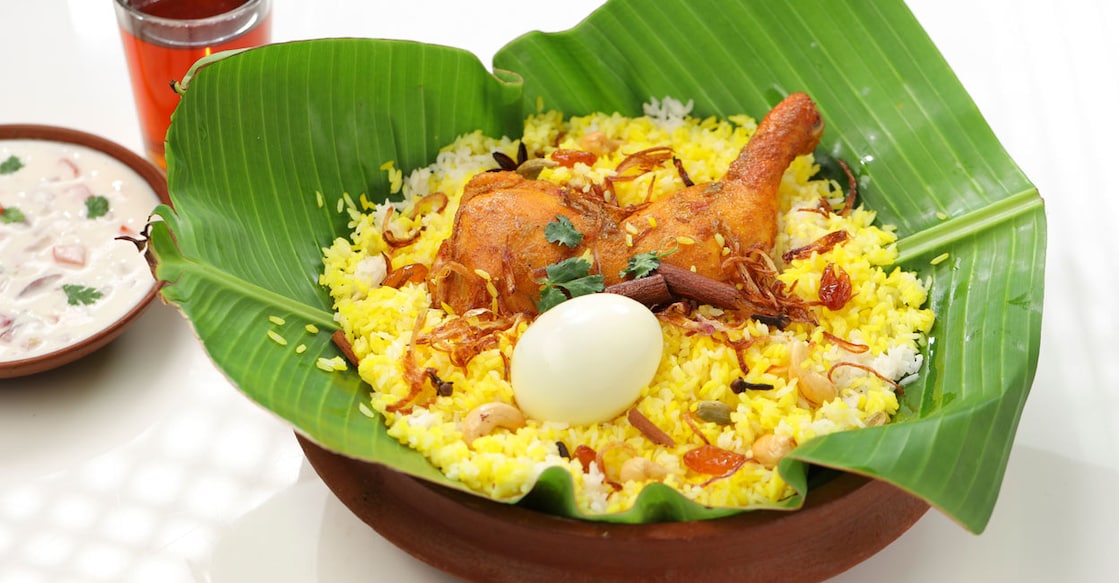
The line has almost become a meme. You can spend several minutes scanning the menu, studying the food photos, considering all the options, and then, when the waiter arrives, order the same chicken biryani you always do.
If this sounds familiar, you are far from alone. For some, dining out means trying something new every time. For many others, it means finding a dish they know they will enjoy and sticking with it. But why do we keep returning to the same order, even when a menu offers dozens of other choices?
Psychologists and food behaviour researchers say there are several reasons behind our attachment to familiar dishes, from the comfort of knowing exactly what we are going to get to simply wanting to avoid the risk of a disappointing meal.
Guaranteed satisfaction and zero uncertainty
When you choose a familiar dish, you eliminate all risk. You already know how it tastes, how filling it is, the exact spice levels, and most importantly, whether you will enjoy it. Research published in the renowned journal Appetite indicates that diners primarily seek three elements: pleasure, affordability, and familiarity. Because a tried-and-tested meal guarantees a satisfying experience, most people prefer not to risk their hard-earned money and time on an unfamiliar menu item they might end up regretting.

The brain's clever shortcut
From the moment we wake up to the end of a busy workday, we are forced to make thousands of micro-decisions. In psychology, this cognitive exhaustion is known as decision fatigue. Analysing a complex menu—balancing prices, ingredients, calories, portion sizes, and personal preferences—demands significant mental bandwidth. A study in the American Journal of Agricultural Economics highlights that the human brain naturally employs automated or habitual shortcuts to bypass complex cognitive processes. After a demanding day, the last thing your brain wants to do is struggle over dinner choices. Ordering your usual dish becomes an effortless, automatic action that allows your mind to rest.
Shielding yourself from culinary disappointment
Experimenting with a new dish is always a gamble; it could be an extraordinary culinary revelation, or it could be a complete disaster. There are few everyday experiences more disheartening than eating a disappointing meal when you are genuinely hungry. Choosing a proven, delicious dish is not a sign of being closed-minded; rather, it is a pratical mechanism to avoid regret and ensure immediate comfort.
The balance between monotony and variety
Sticking to your favourite order does not mean you completely reject variety. Studies show that while eating the same food repeatedly can eventually lead to sensory boredom, our dining desires fluctuate depending on the context. For instance, someone who happily eats the same breakfast every morning might crave novelty during weekend dinners. Our choices are highly dependent on the time of day, our emotional state, and our physical surroundings.
If you find yourself repeatedly ordering the same dish, it is a strong indicator of a highly practical lifestyle. It shows you are in touch with what truly brings you joy and are comfortable prioritising your personal comfort over fleeting trends. Sticking to what you know in an unfamiliar setting provides a sense of reassurance, leaving you with more mental space to focus on the things that truly matter.
