

The secret to perfectly set curd: Getting the milk, temperature and timing right
Mail This Article


Homemade curd always tastes superior to store-bought varieties, yet many home cooks struggle with setting it perfectly. Quite often, homemade curd turns out watery, thin, or excessively sour, even after being stored in the refrigerator. Achieving the ideal texture and mild taste comes down to a few basic factors: milk quality, temperature control, fermentation duration, and the amount of starter culture used.
Why curd turns watery or overly sour
The primary reasons curd becomes watery are the use of low-fat milk, temperature fluctuations during setting, and disturbing the container while the curd is setting. Low-fat milk lacks the required fat content to produce a thick, velvety texture, making full-fat milk the best choice. Moving or shaking the bowl while the milk is setting disrupts the developing protein structure, causing liquid whey to separate and pool on top.
On the other hand, excessive sourness is caused by over-fermentation. The natural bacteria in the starter culture convert lactose into lactic acid. If this fermentation process continues for too long, lactic acid levels rise, giving the curd a sharp, sour taste. Warm weather accelerates this process, as does adding too much starter culture.
Simple tricks for setting thick curd
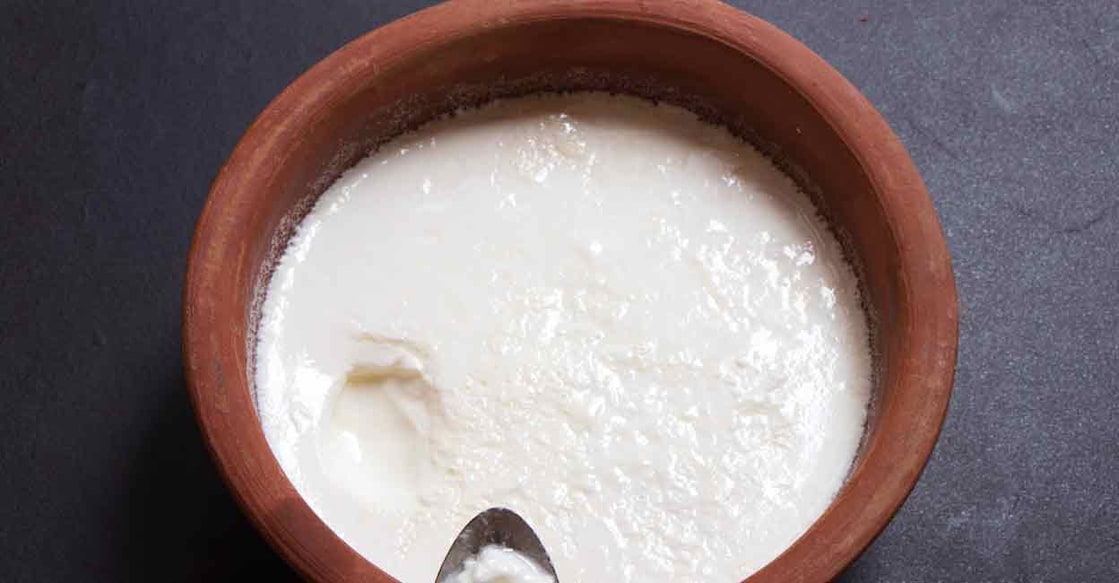
To achieve consistently thick, velvety curd, start by boiling full-fat milk thoroughly and allowing it to cool until it is lukewarm. The ideal temperature is comfortably warm to the touch without burning. Add a small portion of fresh, non-sour curd as a starter and stir gently. Cover the bowl securely and place it in a quiet spot where it will remain completely undisturbed until set. As soon as the curd sets, transfer it to the refrigerator to slow down further fermentation and preserve its delicate taste. Culinary experts note that ideal curd should look firm, possess a very light tang, and show no separation of water.
Adjusting for seasonal changes
Weather plays a significant role in how milk ferments. During hot summer months, ambient heat speeds up bacterial activity, causing curd to set rapidly; therefore, the setting time at room temperature should be kept minimal. Conversely, colder winter weather slows down fermentation, requiring a longer setting time or a warmer spot in the kitchen.
By mastering these environmental adjustments, setting perfect homemade curd becomes effortless.
