

PCOS gets a new name, and here's how it helps
Mail This Article


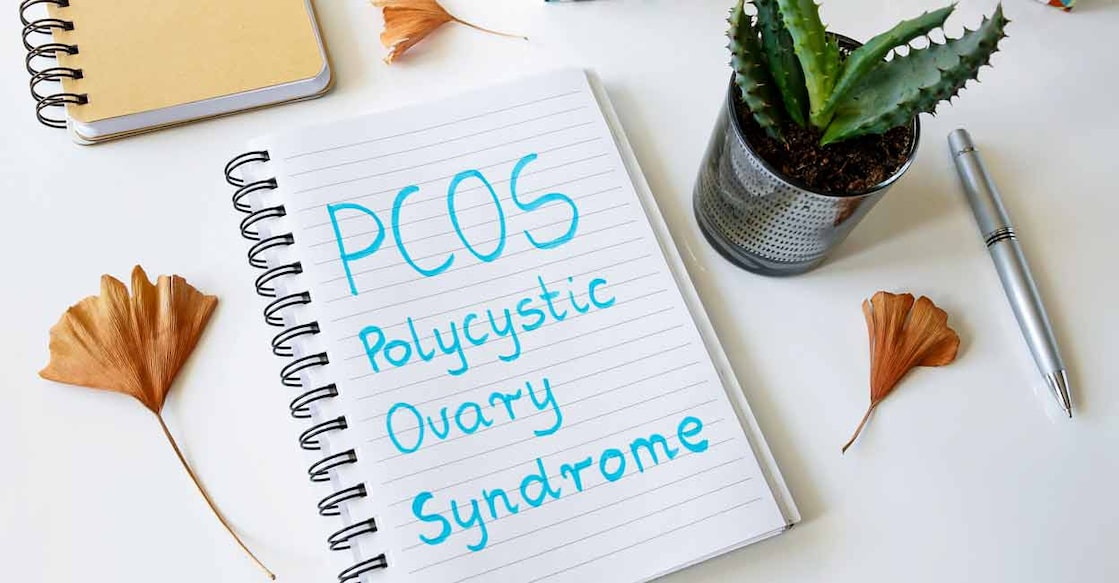
The Polycystic Ovary Syndrome, or PCOS, a condition that affects 170 million women worldwide, gets a new name. The disorder, which is a leading cause of infertility, was renamed by a global coalition of clinicians, patients and medical organisations, and it was announced on Tuesday. The new name is PMOS or Polyendocrine Metabolic Ovarian Syndrome. The name change is made to help it reflect the condition's wide-ranging hormonal and metabolic impacts.
Apparently, the name PCOS often led doctors and women to associate the condition with ovarian cysts. However, this is not necessarily present in every patient, said Dr Terhi Piltonen of the University of Oulu in Finland, in a research paper. Apparently, the focus on ovarian cysts has led to delays in diagnoses and fragmented care. The new name, PMOS, can improve how the condition is detected, treated, and explained, the researchers said. The renaming was done based on survey responses from more than 14,000 health professionals and patients.
PMOS symptoms
a) Irregular or absent menstrual cycles
b) Infertility
c) Pregnancy complications
d) Excess hair growth
e) Acne
f) Anxiety and depression

g) Weight gain
h) Obesity
i) Diabetes
j) Disturbances in insulin
k) Cardiovascular disease
In the ovaries, women often have an excess of so-called antral follicles - small, fluid-filled sacs containing immature eggs. While the condition is not curable, symptoms are treatable with medications and changes in diet and exercise, according to the Endocrine Society. Plans to transition to the new terminology over the next three years are already in motion, including integrating PMOS into health systems, clinical guidelines, professional training, and disease classification, the researchers said.
(With inputs from Reuters)
 Add as a preferred source on Google