

What's the best protein for you, and how much will suffice?
Mail This Article


After a strenuous workout session, many fitness enthusiasts rush to have their regular protein shake. If not, the shake, eggs, chicken, fish, nuts, and more can fill in as the required dose for the day. Protein is essential to repair and build muscles, not just for gym bodies, but for everyone. Along with carbs, fats and other macronutrients, they help our bodies function well. For a long time, it was said that 0.8 to 1 gram of protein per kilogram of body weight is required every day for proper nutrition. However, early this year, the recommendations changed. According to the Cleveland Clinic, the 2025-2030 Dietary Guidelines for Americans suggest that adults should consume 1.2 to 1.6 grams of protein per kg of body weight. Yes, around 50-100% increase over the previous standard. This is true for a healthy adult, but for those with kidney diseases, it can vary.
The right amount of protein
For those with kidney disease, protein intake depends on the stage of their disease. It's best to check with their doctor before deciding on a quantity. A high-protein diet can also increase inflammation and oxidative stress, according to the Cleveland Clinic. This would, in turn, make it tough for the kidneys and other organs to function well.

The best protein source
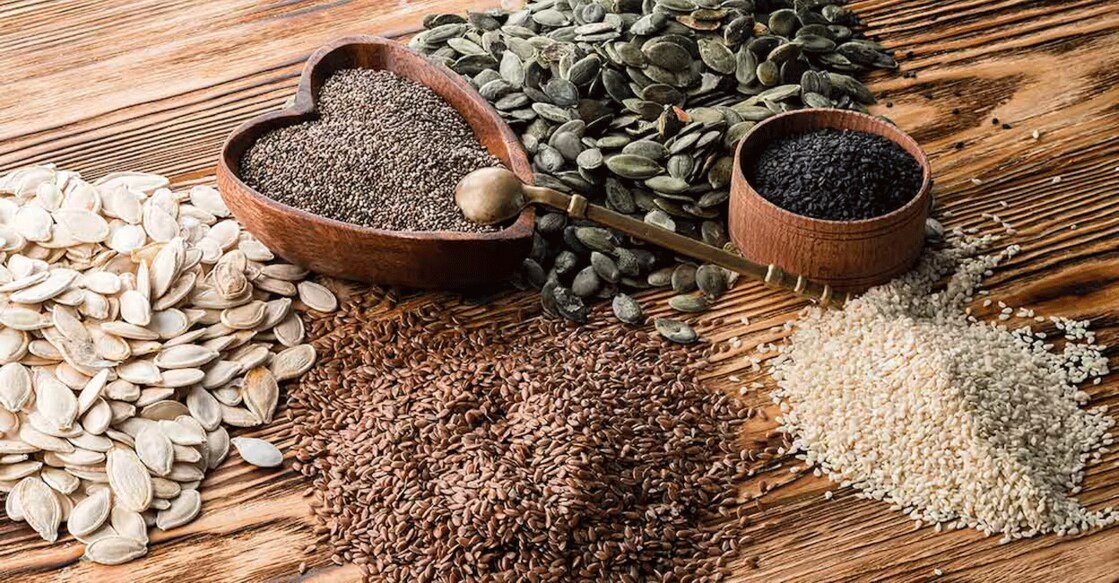
The Cleveland Clinic says that plant-based proteins are easier for our bodies to process. The best sources they recommend are beans, lentils, edamame, tofu, tempeh, grains, green peas, nuts, seeds, plant-based beverages like soy milk and pea milk, nutritional yeast and vegetables like Brussels sprouts, sweet yellow corn, spinach, watercress and bok choy. Vegetarians, who are not vegans, can also consider eggs and egg whites, dairy products like yoghurt, cheese, and milk, and dressings like nuts, fruits, or granola.
Factors that decide your protein needs
a) Age
b) Activity level
c) Muscle mass
d) Weight loss goals
e) Kidney health
