

HPV vaccination drive: PM Modi to launch it tomorrow; AIIMS doctors explain benefits
Mail This Article


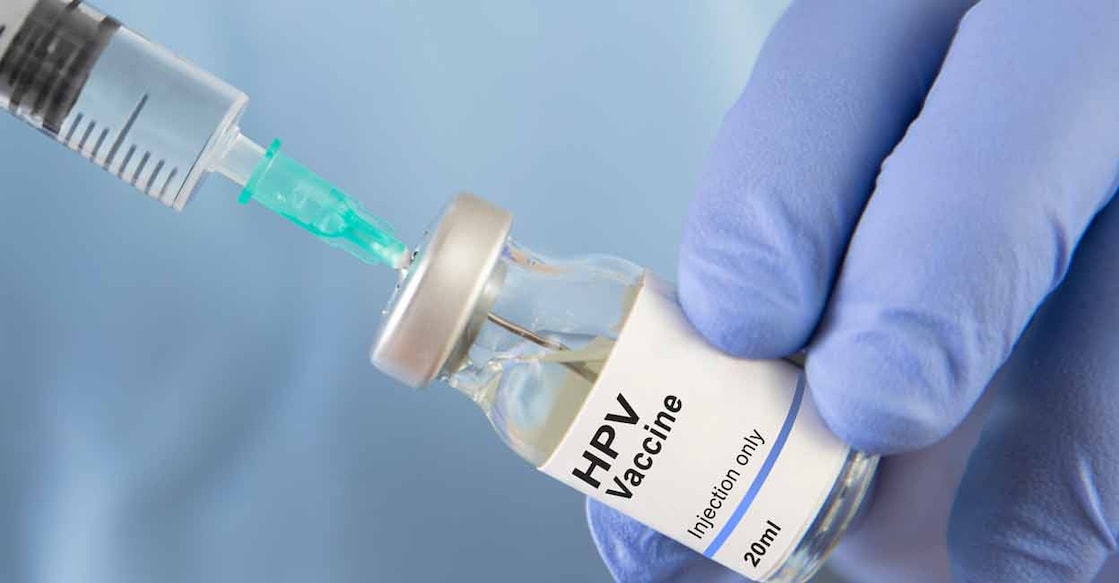
Every year, the lives of around 75,000 women are claimed by cervical cancer, which is the second most common cancer in India after breast cancer. India's Human Papillomavirus (HPV) vaccination campaign, for girls aged 14 years, will be launched tomorrow. PM Narendra Modi will inaugurate the campaign at Rajasthan's Ajmer. Two vaccines will be administered during the campaign - The single-shot Gardasil 4 that protects against cervical cancer( HPV types 16 and 18), and types 6 and 11 that cause genital warts and growths.
How a dose of Gardasil helps
According to Dr Mukurdipi Ray, professor of Surgical Oncology at the All India Institute of Medical Sciences, Delhi, a dose of quadrivalent HPV vaccine (eg, Gardasil 4 or Cervavac) offers substantial benefits for a 14-year-old Indian girl. The doctor said, "Indian cohort studies (17,000 girls vaccinated 2009-2010) showed single-dose efficacy of 92 per cent against persistent infections caused by HPV types 16 and 18, the strains causing 83 per cent of Indian cervical cancers, even 10-15 years later, comparable to 2/3 doses." He added that no high-grade pre-cancers were detected in vaccinated groups, with projections indicating it could prevent one million lifetime cases nationally, dropping incidence below the World Health Organisation's elimination threshold in all states. He also said this will reduce screening needs, alleviate treatment burdens, and support the elimination of cervical cancer by 2030.

How they reduce pre-cancerous lesions
According to Dr Abhishek Shankar of AIIMS, cervical cancer is one of the few cancers that can be largely prevented through vaccination. 90-100 per cent of infections with the high-risk type causing cervical cancer can be prevented by the vaccine. They can also prevent pre-cancerous lesions and cervical cancer when given before exposure to the virus.
Frequently Asked Questions
1. Do HPV vaccines have side effects?
Some people might rarely experience mild, short-term reactions such as soreness at the HPV injection site, low-grade fever or fatigue. However, doctors term it a rare occurrence and say there is no evidence linking HPV vaccines to long-term health issues.
2. At what age is the vaccine most recommended?
According to the Centres for Disease Control, it is recommended at ages 11 to 12 years, though it can be given starting at age 9. It's better to administer the vaccine before they are exposed to it.
3. Who should avoid the vaccine?
Those who have severe allergies, like an allergy to yeast, are pregnant, or those with a moderate to severe illness should avoid the vaccine or wait until they are better, after discussing with their doctor.
4. How does HPV spread?
It spreads through intimate skin contact, usually while having sex. It doesn't even require penetration or ejaculation to spread. Anyone wit thhe virus can spread it to a partner during intimate contact.
5. Is HPV riskier in women?
Yes. This is because the infection can progress to cervical cancer. In males, it can cause genital warts the most, but most HPV infections in them can clear on their own. In rare cases, though, it can lead to cancers on the anus, head, neck and penis, according to the Cleveland Clinic.
'HPV vaccination drive' has more than 2K search results on Google Trends in the past 11 hours.
(With inputs from PTI)
