

Kidney stones harbour living bacteria: Milestone discovery to help develop treatment
Mail This Article


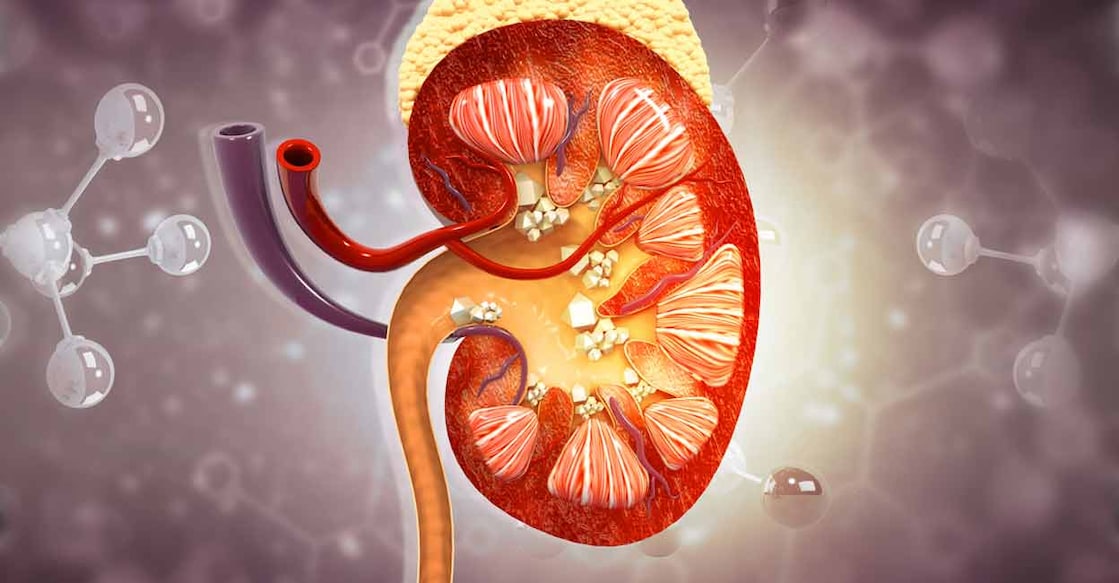
Kidney stones are a painful condition affecting millions of people worldwide. The data show that one in 11 people is likely to get kidney stones. Calcium oxalates are the most common type of stones found in the kidneys. Until now, it was believed that these stones were formed when minerals and salts in urine get too concentrated, allowing them to crystallise into stones. However, a new groundbreaking discovery has been made, shocking the entire science community.
This significant discovery was made by a group of researchers at the University of California. The researchers who observed and studied the kidney stones using electron microscopy and fluorescent technology were shocked by what they saw. The calcium oxalate stones considered inanimate were harbouring living bacteria and their biofilms. So, these stones are not merely a collection of chemicals; they are also a habitat of bacteria.

It was quite surprising that calcium oxalate stones harboured bacteria, as they struggle to survive in the calcium-rich urine. The bacteria release their DNA to overcome this crisis and ensure their safety. This extracellular DNA acts as a sponge, trapping calcium in the urine. The calcium that accumulates around the DNA gradually crystallises into larger stones. It means the bacteria are using their own DNA to build a calcium fort.
This new discovery will be a major milestone in kidney disease treatment. Besides, it may even help researchers explain the relationship between recurrent urethral infections and kidney stones. Moreover, the discovery will enable scientists to develop modern treatment methods that target bacteria and their biofilms hiding within calcium oxalate stones. The scientific community hopes that these bacteria can be destroyed and that the risk of kidney stones can be prevented using medicines rather than surgery in the future.
(The writer is a professor of the Department of Botany, Government Victoria College, Palakkad)

 Add as a preferred source on Google