

Shigellosis in Kozhikode: Symptoms, causes, tips from doctors
Mail This Article


Shigellosis, an infection caused by Shigella bacteria, is suspected to have caused the death of a three-year-old girl in Kerala's Kozhikode. Many other children are also under observation, and the authorities have been taking various precautionary measures and intensifying surveillance. Kozhikode District medical officer Dr KK Rajaram stated that the public should be cautious, as there is a high risk of infection that can lead to symptoms such as diarrhoea and hepatitis during the summer. The public, as well as those who cook or handle food, should follow good personal hygiene to prevent the spread of the Shigella virus. Make sure to drink only boiled water; it is safer to skip cool drinks sold on the wayside. Here are the symptoms of the disease, its causes, preventive tips and more:
What causes Shigellosis?
Shigellosis is caused by the Shigella bacteria, which spread through close contact with infected people. Swallowing contaminated water while swimming or doing other activities, eating contaminated food or having it without washing hands, direct contact with stool while changing diapers, caring for someone with shigellosis, or having sex can cause the disease, says the Cleveland Clinic.

Symptoms of Shigellosis
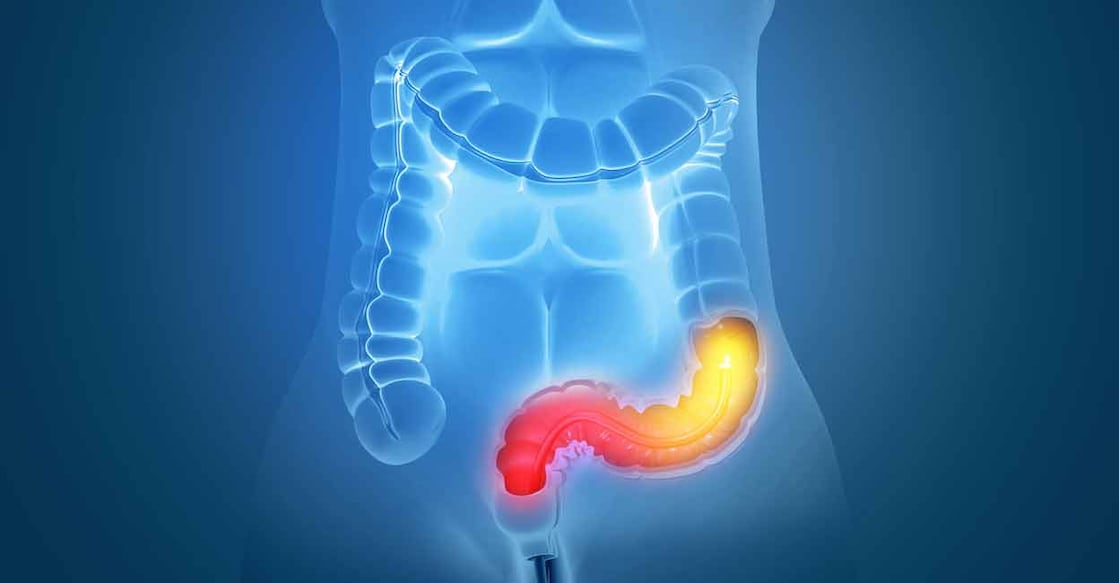
Diarrhoea, fever, stomach cramps, fatigue, and stool with traces of blood are among the major symptoms of Shigella infection. Traces of blood are found in stool as the virus affects the intestines. Failure to seek immediate medical treatment will worsen the symptoms.
Importance of hydration treatment
The body would lose water and minerals, leading to severe dehydration and even death, if diarrhoea isn’t properly treated. Hydration treatment should begin as soon as the symptoms appear. ORS, salted rice water, and tender coconut water could be given at regular intervals to rehydrate the body. Besides, proper medical treatment should also be sought.
Frequently Asked Questions
1. How to prevent Shigella infections?
a)Boil the water and then allow it to come down to room temperature before drinking.
b)Do not mix regular water with boiled water. It is better to avoid drinking soft drinks from outside.
c)Make sure to carry a bottle of boiled drinking water whenever you go out.
d)Do not forget to wash your hands using soap and water before eating and also after using the washrooms.
e)The utensils should be washed nicely in clean water.
f)It is better to serve tea, coffee or other hot drinks instead of cold soft drinks for functions and feasts.
g)Get rid of houseflies and insects from kitchens and places where food is stored. Besides, food items should be covered properly.
h) Try to consume food within four hours of cooking. Avoid refrigerating and reheating multiple times, as it might lead to contamination. Dispose of the stool of little kids in the toilet. Fruits and vegetables should be washed thoroughly before consuming.
i)Make sure that toilet waste doesn’t get mixed in drinking water sources. Test the well water at regular intervals to ensure it is safe.
2. What are the complications of Shigella infection?
a) Seizures
b) Dehydration
c) Reactive arthritis
d) Hemolytic uremic syndrome that damages blood vessels
e) Bacterial infections in your blood
3. Who are at a higher risk of shigella infection?
a) Kids younger than 5
b) Those living or travelling in unclean areas and those without pure water
c) Those with weak immune systems
d) Those who live in the open
Doctor's advice
Dr Abdul Rauf, paediatrics and neonatology consultant at the Baby Memorial Hospital, Kozhikode, said, “Shigella is a bacterial infection that spreads through food. It could get severe in rare cases and even lead to death. Shigella encephalopathy affects the brain. Meanwhile, Shigella shock occurs when blood pressure suddenly drops. These two conditions are extremely dangerous."
 Add as a preferred source on Google