

Headache after stepping out in the sun? Doctor explains precautions to stay healthy
Mail This Article


Most people think that sunstroke is the main issue caused by excessive summer heat. However, headache, migraine, dust allergies, urinary infections, and lack of sleep can also be major concerns when the temperature rises. Besides, one needs to take proper precautions against contagious diseases such as skin diseases, eye infections, chickenpox, and mumps. It is possible that people often forget to take care of long-term lifestyle diseases like diabetes, BP and heart ailments too during summer. Dr B Padmakumar, Principal and Professor of the Medicine Department at the Government Medical College, Alappuzha, explains how to handle it all in summer.
Risk increases in summer
Just like the earth dries up under the scorching summer sun, your mental health, too, may suffer. Cases of stroke, heart attack and high diabetes are often reported during summer. People at high risk of such illnesses should take extra care of their health. Studies say that the risk of stroke increases by 3.8 per cent during summer. Those already suffering from these diseases should be on high alert and try to control their symptoms through healthy practices.

Affects the efficiency of medicines
• Excessive heat can cause high diabetes as diabetic patients lose water from their bodies pretty quickly. The dehydration thus caused would lead to glucose spikes and frequent urination, which further causes water loss from the body. Diabetic patients are likely to experience severe exhaustion, thirst, nausea and headache.
• Rising temperature could adversely affect the efficacy of medicines like insulin and other equipment that helps to keep a check on the blood sugar levels. So, these should be kept in places that don't heat up quickly or where sunlight doesn’t hit directly.
What to drink, what not to
• Drink lots of water even if you are not thirsty. However, try to stay away from tea, coffee, alcohol, and soda, as they contain caffeine and sodium, which can draw hydration from your body.
• Check the blood sugar levels at regular intervals during summer. You should also consult the doctor to change the dosage of the medicines.
• Do not mistake the symptoms of hypoglycaemia for health issues related to excessive heat. From common cold and fever to loss of sleep and inflammation, your body may be giving signs. Sneezing, a runny nose, and throat infections may also be symptoms of hypoglycaemia.
When to see a doctor
• Fever and common cold may subside by drinking lots of water and taking rest for a week. Do not hesitate to consult a doctor if the symptoms do not improve after a week or worsen. Migraines could be caused by excessive heat; besides, regular headaches may worsen during the summer.
• Do not step outside in the sun when you have migraine. Carry an umbrella to protect yourself from the sun's rays.
• It is better to take medicines for migraine as per a doctor’s instructions rather than self-treatment.
Headache, a prominent symptom
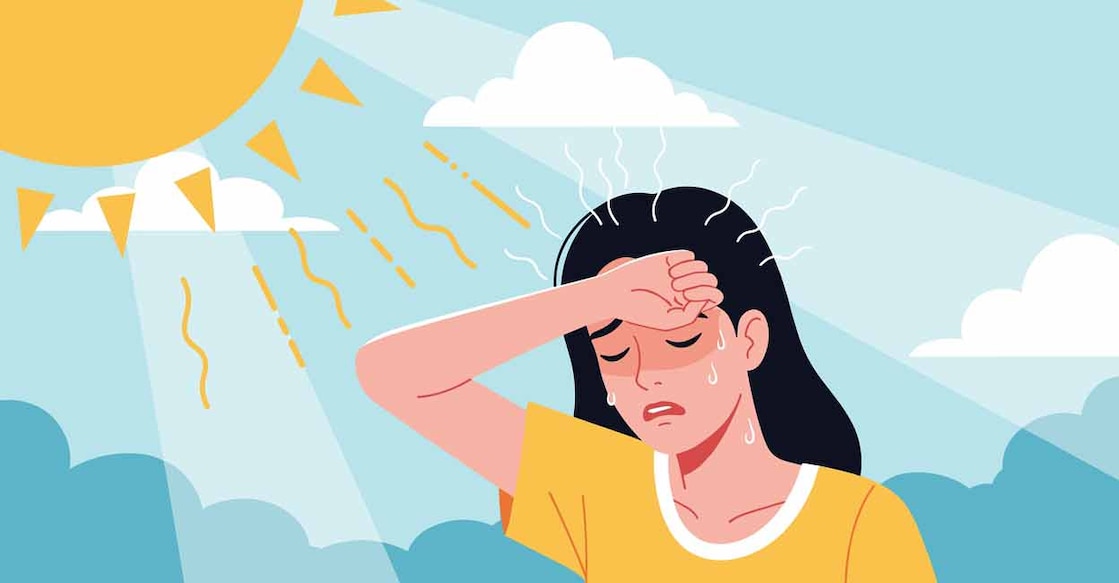
• Headache is a prominent symptom of sunstroke; so, do not ignore the severe headache after stepping out in the sun.
• When the temperature rises, you may feel excessive heat, especially in the head. It could cause loss of concentration, unexplained anger and restlessness. Besides, the excessive summer heat could even hamper your sleep quality. Spending long hours outside when the sun is blazing may adversely affect the brain and the nervous system, and you may even fall unconscious.
