

HLH: The disorder that claimed life of Afghan cricketer Shapoor Zadran
Mail This Article


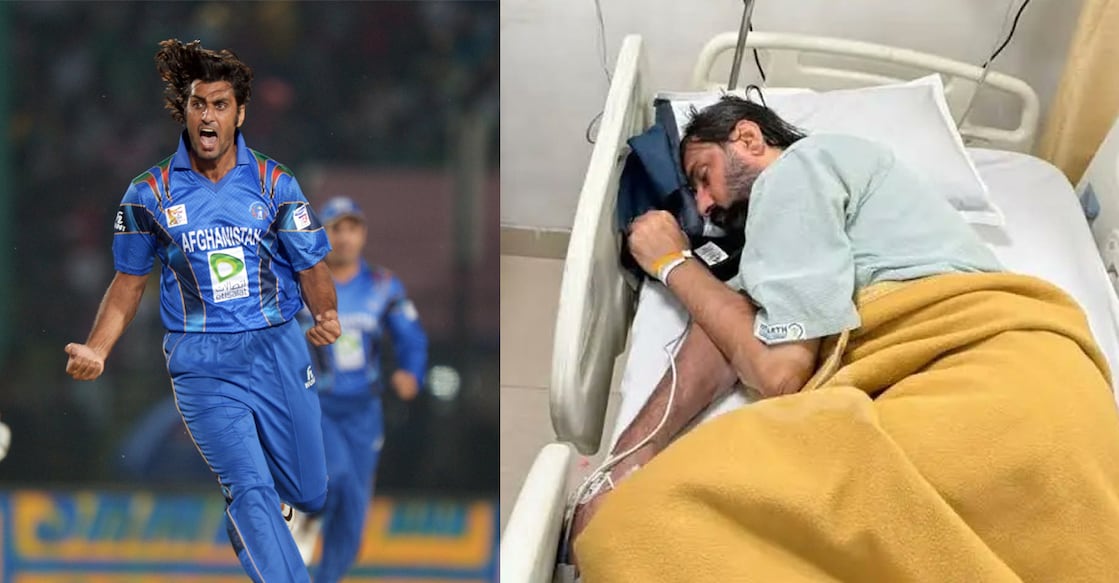
Former Afghanistan fast bowler Shapoor Zadran, who played a pivotal role in the rise and growth of Afghan cricket, passed away a few days ago in Delhi. The cricketer, who was just 38 years old, tragically died just a day before his birthday. His untimely demise was caused by a condition called haemophagocytic lymphohistiocytosis (HLH), an extremely rare and aggressive disorder of the immune system.
What is HLH?
According to the Cleveland Clinic, HLH is a life-threatening condition that makes our immune system attack our body, like a virus. There is no way to prevent HLH, which is often genetic or acquired. However, it can be treated if diagnosed early.
The two types of HLH
There are two types of HLH, primary familial HLH and secondary HLH. The second type is more common than the first. HLH can affect anyone, though it most commonly affects infants and children.
Primary (familial) HLH: This is an inherited genetic condition passed down through generations. It most commonly manifests during infancy or early childhood, though it can sometimes develop later in life.
Secondary (acquired) HLH: This form is triggered by other underlying illnesses that disrupt the immune system. Common triggers include viral infections (such as Epstein-Barr virus and cytomegalovirus), bacterial, fungal, or parasitic infections, autoimmune conditions like lupus or rheumatoid arthritis, cancers such as leukaemia and lymphoma, or an immune system weakened by specific medications.
Recognising the symptoms of HLH
Because the symptoms of HLH closely mimic those of severe infections, diagnosing the condition can be highly challenging. Key clinical symptoms include:
- Persistent, high fever
- Extreme fatigue and general weakness
- Swollen lymph nodes, liver, and spleen
- Unexplained skin rashes
- Easy bruising and abnormal bleeding
- Pale skin caused by anaemia
- Dangerously low red blood cell, white blood cell, and platelet counts
- Jaundice (yellowing of the skin and eyes)
- Neurological symptoms, including confusion, irritability, and seizures
How is HLH diagnosed?
Diagnosing HLH requires a comprehensive array of medical tests. These typically involve detailed blood panels to evaluate blood cell counts, liver function, and levels of ferritin, triglycerides, and fibrinogen. Physicians also frequently conduct bone marrow biopsies, genetic testing, and diagnostic imaging such as ultrasounds or CT scans to assess internal organ damage.

Treatment and management
The ultimate goal of HLH therapy is to suppress the overactive immune response and address the underlying trigger. Treatment plans often combine corticosteroids to control inflammation, chemotherapy drugs to destroy overactive immune cells, and targeted immunotherapy. Antibiotics, antivirals, or antifungals are prescribed to combat infections, while blood transfusions may be required to stabilise low blood cell counts. For severe or genetic cases of primary HLH, a bone marrow or stem cell transplant is often the only long-term curative option.
