

Hepatitis: Why newborn vaccination and early testing are crucial for survival
Mail This Article


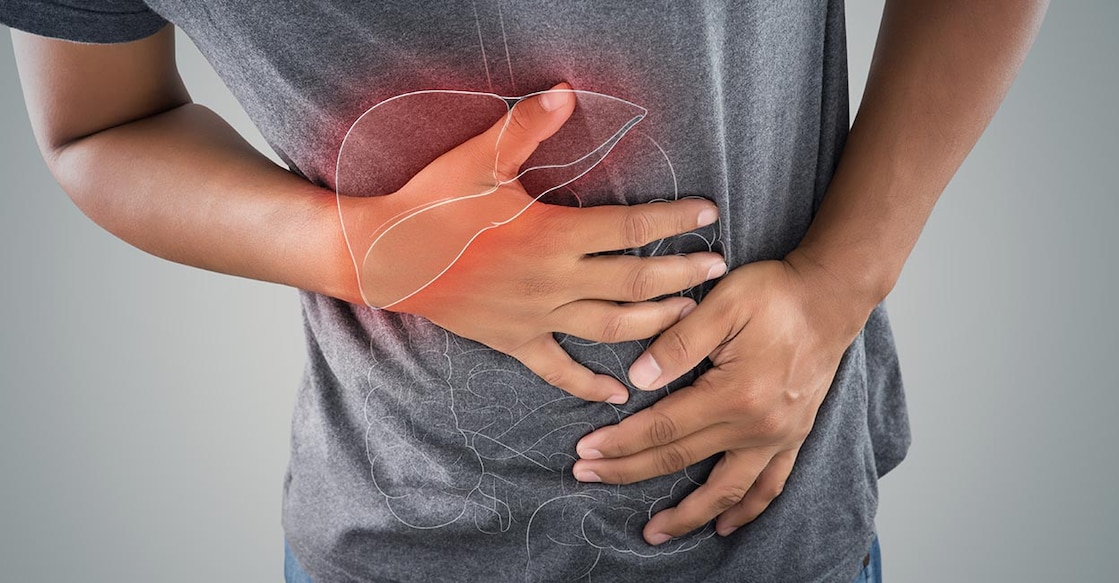
The liver is one of the most vital organs in the human body. It performs several critical functions, including flushing toxins, aiding digestion, storing energy, and regulating the metabolism of various nutrients. However, hepatitis is a quiet threat that targets this indispensable organ. Because it often begins without any obvious symptoms, diagnosis is frequently delayed, leading to severe, life-threatening complications. Dr Rijo Sabu, gastroenterologist at the Mar Sleeva Medicity, Palai, explains.
Hepatitis refers to the inflammation of the liver, primarily caused by viral infections. However, viruses are not the sole culprit. Excessive alcohol consumption, exposure to toxins, fatty liver disease, certain medications, autoimmune disorders, and rare genetic conditions can also trigger the condition.
Understanding the different strains
The primary culprits behind the disease are hepatitis viruses A, B, C, D, and E. Hepatitis A and E are commonly transmitted through contaminated food and water. On the other hand, hepatitis B, C, and D are spread through contact with infected body fluids, such as infected blood, unsafe sexual contact, the use of unsterilised needles and medical equipment, and transmission from mother to child during pregnancy or childbirth.

In the early stages, many infected individuals do not exhibit any symptoms. When symptoms do appear, they may include fever, fatigue, loss of appetite, nausea, vomiting, abdominal pain, dark urine, and jaundice (yellowing of the eyes and skin).
The silent progression to liver failure
If left untreated over a prolonged period, hepatitis can cause chronic liver damage, culminating in liver cirrhosis, liver failure, and liver cancer. According to data from the World Health Organisation (WHO), hepatitis-related complications like cirrhosis and liver cancer claim approximately 1.3 million lives globally each year. What makes this statistic tragic is that a vast majority of these deaths are entirely preventable through early screening, timely medical intervention, and vaccination.
Preventive measures and vaccination
Preventing hepatitis is highly achievable. Safe and effective vaccines are widely available for hepatitis A and B. It is absolutely crucial that all newborn babies receive the hepatitis B vaccine in a timely manner. Other essential preventive practices include consuming safe drinking water, maintaining strict food hygiene, washing hands regularly with soap, ensuring blood is thoroughly screened before transfusions, using only sterilised medical needles, and practising safe sex.
Today, highly effective treatments are available for hepatitis B and C. In fact, advanced medications can now completely cure hepatitis C in most patients. However, the ultimate success of these treatments hinges entirely on early detection. Individuals at higher risk must undergo regular screenings to catch the infection before irreversible liver damage occurs.
Safeguarding your liver health is synonymous with protecting your overall life. With proper awareness, timely screening, preventive measures, and access to healthcare, we can prevent hepatitis from becoming a silent killer. This World Hepatitis Day, let us pledge to educate others, encourage testing for high-risk individuals, ensure timely vaccination, and prioritise the health of our livers.
