

This Kerala backyard weed has an amazing therapeutic profile
Mail This Article


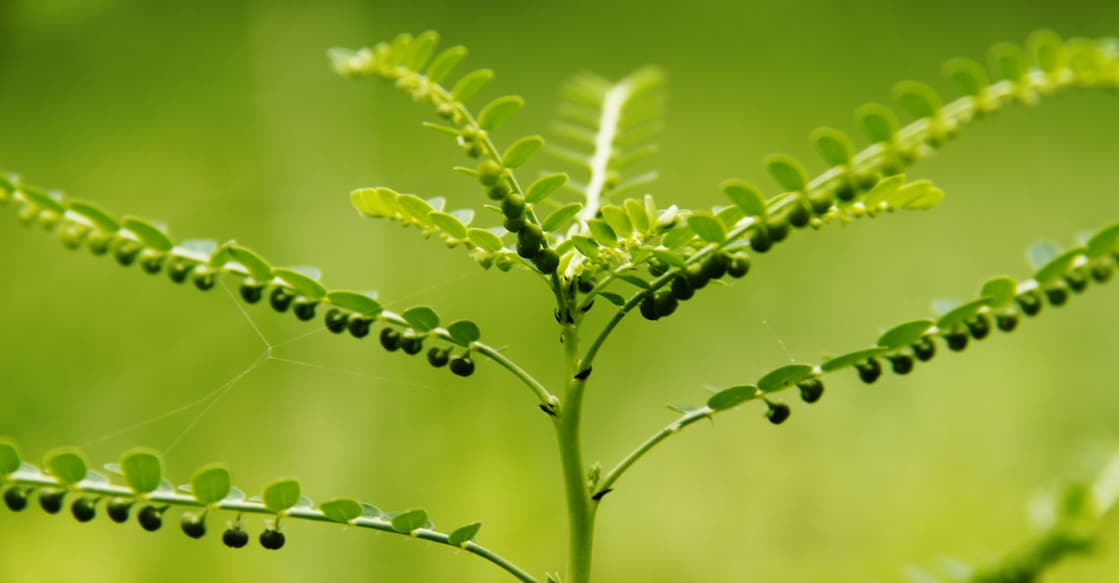
Often overlooked as a common backyard weed, kizharnelli (Phyllanthus niruri) is actually one of nature's most potent therapeutic treasures. Famously known as stonebreaker or bhumi amla, this tiny plant with neat rows of leaves and small berry-like fruits has been a cornerstone of traditional Indian medicine, particularly Ayurveda and Siddha, for centuries. From revitalising liver health to managing blood sugar levels, its therapeutic profile is incredibly diverse and highly regarded by practitioners globally.
A natural shield for the liver
In Ayurveda, the plant is highly celebrated for its hepatoprotective qualities, making it a primary treatment for jaundice, hepatitis, and liver inflammation. Siddha practitioners have also relied on it for centuries to treat liver ailments. Scientific studies back these traditional claims, confirming that the herb possesses strong anti-inflammatory, antifungal, antibacterial, and antispasmodic properties. The active compounds in the plant help detoxify liver cells, reduce swelling in the liver and spleen, and protect against cellular damage.

Managing diabetes and blood sugar
Beyond liver care, kizharnelli is highly effective in managing lifestyle diseases like diabetes. According to Ayurvedic texts, consuming a mixture of 20 g of dried kizharnelli powder and 20 g of ground black pepper in recommended doses over a week can significantly help control blood glucose levels. Its hypoglycaemic properties help regulate insulin sensitivity, offering a natural, plant-based support system for diabetic care.
Versatile healing for everyday ailments
The therapeutic reach of this herb extends far beyond chronic conditions. It is traditionally used to treat indigestion, stomach pain, anaemia, skin infections, coughs, and asthma. For women suffering from excessive menstrual bleeding, traditional healers recommend mixing 3 to 6 ml of whole-plant paste with fermented rice water twice daily. Additionally, a decoction of its tender stems acts as an excellent remedy for diarrhoea, malaria, and urinary tract infections, helping to cool the body and soothe painful urination.
Popular formulations and dosage
Due to its vast health benefits, kizharnelli is a core ingredient in several classic Ayurvedic formulations, including Chyavanaprasham, Chemparuthyadi Keratailam, and Livokot tablets. For those looking to consume it raw, the recommended daily dosage is 3 to 5 g of dried powder, 5 to 10 g of paste made from the whole plant, or 10 to 20 ml of fresh juice extracted from the herb.
A note of caution
While kizharnelli is incredibly beneficial, it is highly recommended to seek professional medical advice before starting any herbal regimen, particularly for severe liver conditions. Self-medication can sometimes mask underlying symptoms or interfere with other ongoing treatments. Always consult a qualified Ayurvedic practitioner to determine the dosage that is right for your body type and health condition.
 Add as a preferred source on Google