

As Kerala sizzles, 11 am to 3 pm becomes danger window; What to do, what to avoid
Mail This Article


With temperatures soaring across Kerala, the Kerala State Disaster Management Authority (KSDMA) has issued a comprehensive safety advisory for the public. The India Meteorological Department (IMD) has warned that maximum temperatures on September 8 and 9 could rise 3°C to 4°C above normal. This spike in heat increases the risk of sunstroke, heat exhaustion, and severe dehydration, prompting officials to issue strict guidelines to safeguard public health.
Peak-hour precautions and hydration
a) Avoid direct sunlight between 11 am and 3 pm, when UV radiation and heat levels are highest.
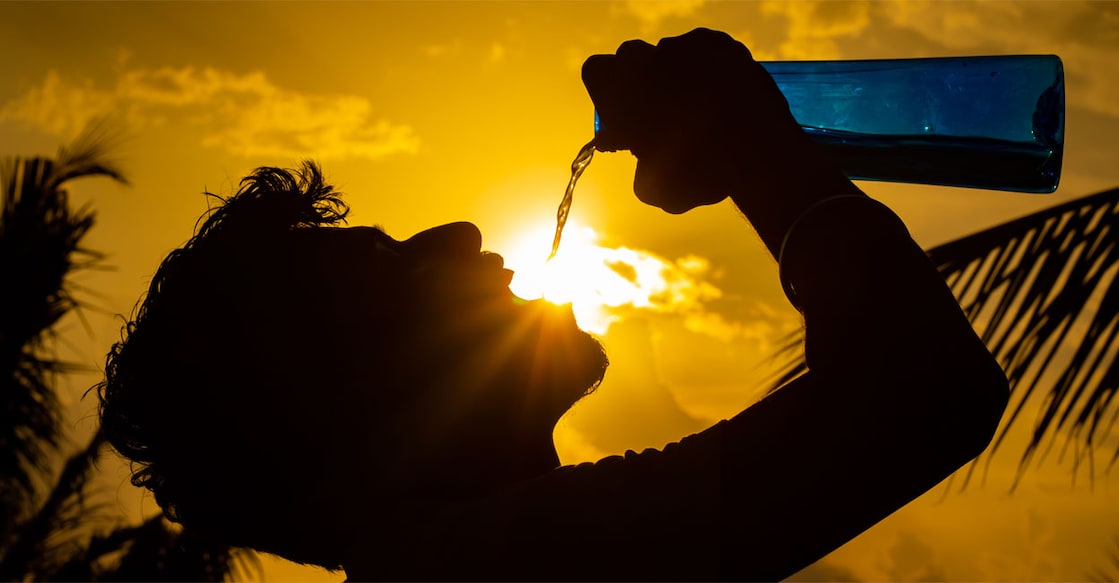
b) Staying hydrated is critical; drink plenty of clean water throughout the day, even if you do not feel thirsty.
c) During peak daytime hours, it is best to avoid dehydrating beverages such as alcohol, coffee, tea, and carbonated soft drinks.
d) Choose light, loose-fitting cotton clothing, wear footwear when stepping out, and carry an umbrella or a hat.
e) Incorporating fresh fruits, vegetables, ORS (oral rehydration salts) solutions, and buttermilk into your diet can also help maintain essential nutrient levels.

Strict rules for schools and children
a) Educational institutions must prioritise student safety by ensuring adequate ventilation in classrooms and providing ample clean drinking water.
b) Given the exam season, water availability must also be guaranteed in examination halls.
c) School authorities and parents must remain highly vigilant. Outdoor assemblies and school events that expose children to direct sunlight should either be rescheduled or entirely avoided.
d) School trips must be planned to ensure children are not exposed to the sun between 11 am and 3 pm.
e) Local body representatives and staff at Anganwadis must also take special care to protect young children from the harsh heat.
Safeguarding outdoor workers and delivery personnel
a) Employers of two-wheeler delivery riders, particularly those delivering online food, must take proactive steps to ensure their staff's safety.
b) Riders should be instructed to wear heat-protective clothing and be allowed regular rest breaks during the critical 11 am to 3 pm window.
c) Construction workers, agricultural labourers, street vendors, and other manual labourers must adjust their shift timings to avoid working under the scorching midday sun.
d) Media professionals and police personnel on duty should also use umbrellas, avoid direct sun exposure, and stay well hydrated.
Caring for vulnerable groups and animals
a) Special attention must be paid to vulnerable populations, including bedridden patients, the elderly, pregnant women, children, and those with pre-existing medical conditions, ensuring they remain indoors during the hottest hours.
b) Livestock should not be left to graze in the midday sun, and pets must never be tied up in unshaded areas. Leaving children or pets unattended in parked vehicles is extremely dangerous under any circumstances. c) Ensure that fresh water is readily available for both domestic animals and birds.
Fire safety and environmental awareness
a) High temperatures increase the risk of devastating fires in marketplaces, commercial complexes, and waste dumping yards.
b) Establishments are advised to conduct strict fire safety audits and implement precautionary measures, while residents near these sites should remain alert.
c) There is also a heightened risk of forest fires; tourists and residents living near forested areas must strictly comply with instructions from the forest department.
d) Given potential water scarcity, the public is encouraged to conserve water and use rainwater harvesting methods where possible.
e) If you or anyone around you feels discomfort or develops a heat-related illness, rest immediately and seek professional medical assistance.
