

Murder of Kerala's 17-year-old by another teenager, young accomplices: Doctor's take on such crimes
Mail This Article


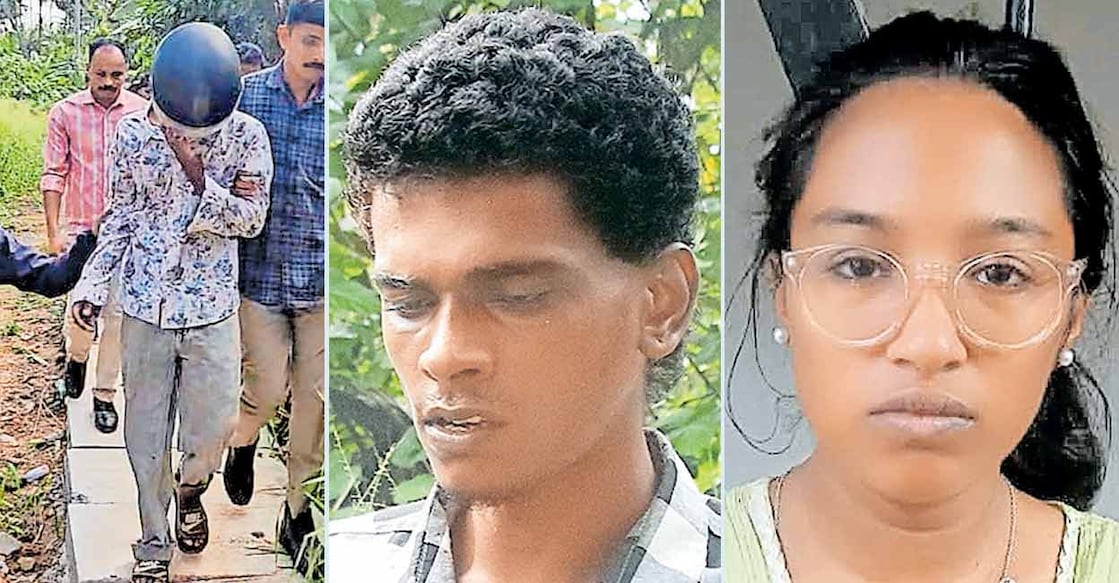
News reports detailing violent crimes committed by teenagers have become distressingly frequent of late. In a recent shocking incident, a revenge plot hatched by a 17-year-old over a romantic rivalry in Kerala's Sreekaryam in Thiruvananthapuram tragically claimed the life of an innocent teenage boy. When both the victim and the perpetrator are merely 17 years old, it raises urgent and troubling questions. What drives individuals at such a young age to commit murder? Are young boys growing up without the emotional maturity needed to handle adversity, or are underlying personality disorders fueling these destructive choices?
How personality develops and evolves
Personality formation is not something that concludes at a specific age; it evolves throughout a person's lifespan. While inherent genetic traits play a foundational role, life experiences continuously shape character and behaviour. Every individual possesses a mix of strengths and flaws. True personal growth occurs when a person actively works to overcome their shortcomings while adapting to their surrounding environment.

From infancy, families often notice early temperament traits, labelling a child as short-tempered or quiet. However, personality is ultimately sculpted by a complex interplay of family atmosphere, genetics, peer influences, and social settings. It is this unique personality that dictates how an individual interacts with their family, community, and the wider world.
Understanding personality disorders and adolescent transformation
Psychologically, while a person's core personality becomes relatively firm during adolescence, room for growth and change remains throughout life. However, when personality development veers off course, it can result in disorders that cause deep distress not only to the individual but also to their family and society.
Personality disorders are generally categorised into three main clusters: Cluster A (eccentric or 'mad'), Cluster B (dramatic or 'bad'), and Cluster C (anxious or 'sad'). Cluster A includes paranoid, schizoid, and schizotypal personality traits, where an individual's behaviour appears noticeably unusual or detached. Cluster B comprises antisocial, borderline, histrionic, and narcissistic traits, characterised by impulsivity, conflict, attention-seeking behaviour, and dramatic emotional outbursts. Cluster C involves anxious, dependent, or obsessive-compulsive traits driven by fear, authority issues, or deep-seated insecurity.
When these behavioural traits significantly impair a person's daily functioning or harm those around them, they are clinically identified as personality disorders. If left unaddressed, individuals may develop depression, severe anxiety, or substance addiction.
Biological roots of antisocial behaviour
Research indicates that the brain's prefrontal cortex plays a vital role in regulating social behaviour, impulse control, judgment, and decision-making. Antisocial personality disorder often develops due to chemical imbalances in this region, influenced by a combination of biological factors and environment.
Neurological abnormalities, genetic predispositions, and adverse home environments during early childhood can disrupt normal brain chemistry. Individuals exhibiting severe antisocial traits often lack remorse or empathy for their actions, leading to reckless and violent behaviour.
Early signs and steps for intervention
Addressing these challenges requires a dual approach: helping the struggling teenager while safeguarding society from potential harm. Early warning signs often manifest in childhood through small acts of dishonesty, persistent fighting, theft, or cruelty towards peers.
Parents, teachers, and guardians must refrain from merely blaming the child and instead seek to understand the root cause of the behaviour. Behavioural therapy can bring about significant positive changes when started early. In cases involving dangerous aggression, consulting a qualified psychiatrist or clinical psychologist is essential, as medical treatment alongside therapy may be required.
By recognising early symptoms and offering timely psychological support, families and educators can help guide vulnerable adolescents away from destructive paths and towards healthy, constructive lives.
(Dr Smitha Menon is an Assistant Surgeon at General Hospital, Thrissur.)
