

'Avoiding sugar can prevent diabetes': Doctor explains why it's a misconception among Malayalis

Mail This Article


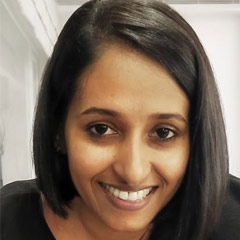
Malayalis fear a spoon of sugar more than a plate of rice or a bowl of biryani - true story! Among the diabetics of Keralam, there are many misconceptions about the chronic metabolic condition that is caused by numerous problems. Eating too much sugar can play an indirect role in diabetes, but the condition is largely driven by many other factors too. Dr Johns T Johnson, Endocrinology Consultant at the Mar Sleeva Medicity, Palai, explains some of the biggest myths among Malayalis about diabetes and the truth behind them.
Diabetes myths busted: Facts
Myth 1: Diabetes occurs only in overweight people Fact: Even lean and physically active individuals can develop diabetes due to genetic predisposition and other risk factors.
Myth 2: Avoiding sugar alone prevents diabetes
Fact: Excess calories, refined carbohydrates, unhealthy fats and physical inactivity also contribute to diabetes. Just avoiding sugar doesn't prevent diabetes.

Myth 3: Rice is the only culprit of diabetes
Fact: Diabetes risk depends on overall dietary patterns, portion sizes and lifestyle, not on just one particular food.
Myth 4: If I have no symptoms, I don't have diabetes
Fact: Diabetes can remain silent for years while causing damage to organs.
Myth 5: Once sugar levels become normal, medicines can be stopped
Fact: Good control often reflects effective treatment. It doesn't mean diabetes is cured. Speak to your doctor before stopping or continuing medicines.
Myth 6: Taking insulin means the disease has reached its final stage
Fact: Taking insulin is just an effective treatment. It should not be feared or delayed when indicated.
Myth 7: Traditional or herbal remedies can cure diabetes
Fact: There is no proven permanent cure through such remedies. Relying on them can just delay effective treatment.

How do we address these misconceptions?
Dr Johns suggests the following ways to address the misconceptions about diabetes:
a) Ensure regular health screening and medical advice from doctors. Even seemingly healthy individuals should ensure this.
b) Educate yourself on the balanced nutrition you require, physical activity and the right, healthy weight for you.
c) Do not depend on random health platforms for your medical inputs. Get them only from doctors, credible social media platforms and local-language campaigns.
d) Go for early diagnosis and regular monitoring rather than waiting for poor health signs.
