

The mental health ailment that took Van Gogh's life: Doctor explains symptoms, causes
Mail This Article


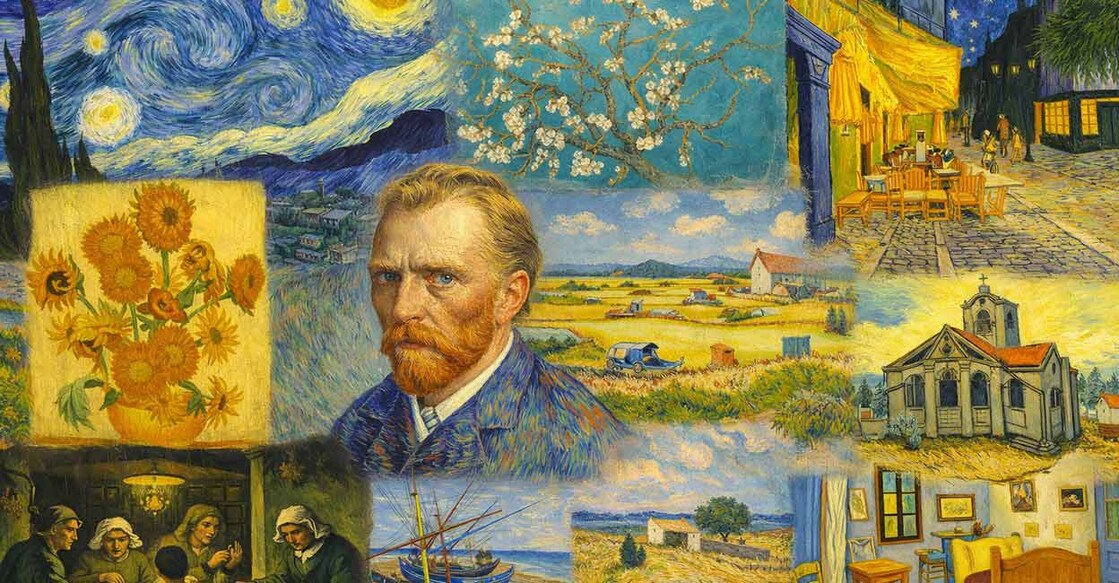
The Starry Night, Sunflowers, The Potato Eaters... within just 37 years, Dutch artist Vincent Van Gogh painted numerous classics that still move art lovers. However, the severe mental health crisis of bipolar disorder, coupled with alcohol addiction, drove him to suicide at a young age. Every year, March 30, Van Gogh's birthday, is celebrated as World Bipolar Day. He is believed to have experienced the disorder from childhood. Besides, he is said to have had certain personality disorders, too. Apparently, he even cut off an ear during an episode of mental breakdown, although he couldn’t recall this incident later. Van Gogh's life proves how a mental health breakdown could cause one’s downfall, despite being a gifted genius. Renowned Kerala-based counselling psychologist Dr Manohar Lal explains what the disorder is all about, its phases and management.
What is bipolar disorder?
Bipolar disorder is a mental health condition that causes intense mood swings between emotional highs and lows. These mood fluctuations are often unpredictable and last throughout their life. They experience a period of unusually high energy, feeling overly happy and confident, as well as a period of low mood, including sadness, feelings of emptiness and hopelessness. They are able to enjoy a normal life only in short intervals between these periods of bipolarity. Their personal life, education and relationships often get affected due to these severe mood swings.

Symptoms of bipolar disorder
•Extremely energetic or elevated mood
•Racing thoughts and a barrage of new ideas. They switch between ideas at lightning speed
•Talking very fast, irritable mood
•Hearing or seeing utterances
•Lack of concentration and sleeplessness
• Overconfidence and high energy
•Depressive actions, splurging and intoxication are the symptoms of hypomania, which is less severe than mania
The stage of depression
•Low energy or fatigue, laziness
•Depressive thoughts and hopelessness about the future
•Showing disinterest in things enjoyed earlier
•Lack of concentration, excessive sleepiness or sleeplessness
•Overeating or loss of appetite
•Suicidal thoughts; hallucination and delusion in certain cases
Some people might behave strangely, believing that they possess special powers. Meanwhile, some others reel under the guilt of their actions.
Types of bipolarities
Bipolar disorder is also a state of manic depression. The patients exhibit severe uncontrolled changes in their behaviour.
Bipolar disorder II
This is the most common type that is seen in most patients. They often show symptoms of both depression and mania.
Cyclothymic disorder
Cyclothymic disorder is a milder and less common form of bipolar disorder. Excess anger, loss of appetite, sleeplessness, lack of interest in sex and low concentration are some of the symptoms.
What causes bipolar disorder; treatment
Most research suggests that bipolar disorder is caused by genetic reasons. It could also be caused by extreme or severe traumatic childhood experiences. In addition to proper medication, counselling and lifestyle changes could be helpful in managing the symptoms.
Frequently Asked Questions
1. How to identify bipolar disorder in children?
It is tough to identify the condition in teenagers and children, according to the Mayo Clinic. The pattern can differ from that of adults. However, the most noticeable symptom is severe mood swings.
2. How often can mood shift in those with bipolar disorder?
The shifts can last for months, weeks, days and sometimes just for a few hours. This can also interfere with the patient's ability to perform their daily tasks.
3. Can bipolar disorder be completely cured?
It is not curable and is a lifelong disorder. However, individuals can treat and manage it to live a quality life.

4. Is bipolar disorder the same as borderline personality disorder (BPD)?
Both of these disorders have similar symptoms, but they are not the same. While bipolar has episodic lows and highs over time, BPD induces rapid emotional shifts, fear of abandonment and even lack of stability in relationships.
 Add as a preferred source on Google