Prioritise nutrition, no-fire cooking to save fuel and stay healthy: Culinary expert Lakshmi Nair explains
Mail This Article


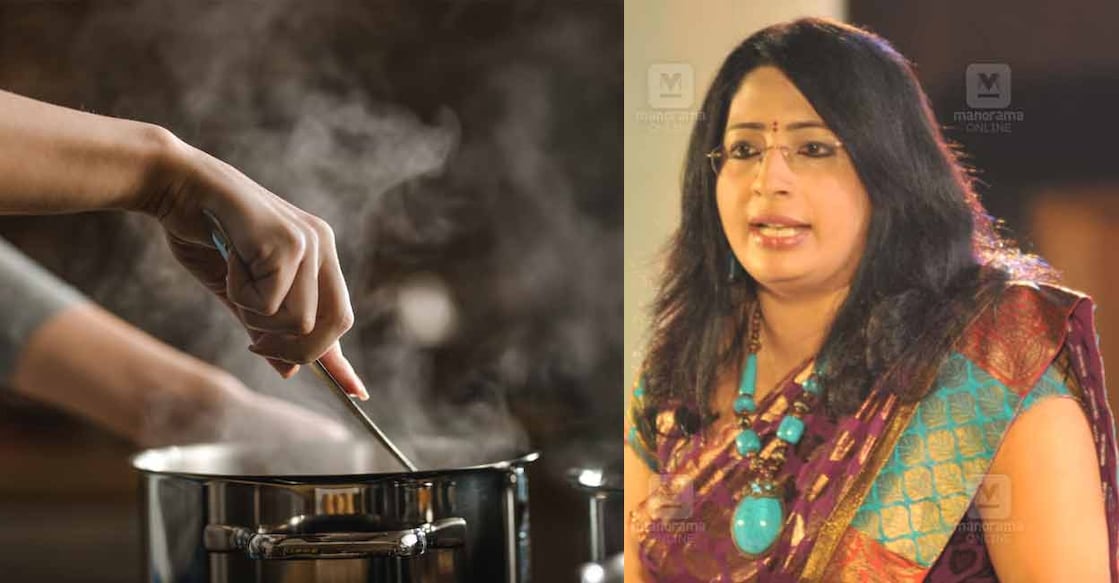
The LPG crisis can be an opportunity to both save fuel and improve our diet. Not many of us might have realised that the Kerala diet offers many nutritious options that require little fuel. Noted culinary expert Lakshmi Nair recommends bringing changes in the cooking style and introducing healthy eating habits to save fuel amid the severe LPG cylinder shortage in the country. Here are her tips:
Cook focusing on nutrition
Lakshmi Nair says adopting simpler cooking methods focused on nutrition will help us enjoy the health benefits of our food while significantly reducing fuel consumption. She recommends avoiding deep-frying and cooking non-vegetarian dishes like fish and meat, which require more fuel and effort. Dishes like spiced buttermilk and rasam, that are easy to prepare, could be added to your regular diet, she says.

Salads, yoghurts should take over
No-fire dishes like salads and yoghurts that require no cooking over the flame save fuel. Meanwhile, ingredients like plantain stem, cucumber, beetroot, and carrots taste good even when added raw to dishes, she says. Traditional vegetable stir-fries or thoran could also be cooked in a jiffy. There are many other dishes that could be made tastier and more nutritious by just adding freshly grated coconut. Such dishes need not be cooked over flame. Moreover, these dishes, rich in fibre and nutrients, could also be enjoyed as an evening snack.
Healthy breakfast that saves fuel
Breakfast dishes like dosa and appam require fuel. You could switch to puttu and idlis, cooked in steam, to save fuel, says Lakshmi Nair. Moreover, they save time and are healthy, as oil isn't added. An omelette can also be cooked easily in a few minutes, whereas boiling eggs takes longer. Pair the omelette with a bowl of fresh vegetable salad for that extra dose of nutrition.
Frequently Asked Questions
1. What is no-fire or fireless cooking?
It's a health-focused style of cooking that's promoted by many health experts. The 'no-boil, no-oil' cooking retains nutrients lost while cooking. In this style, the cooking technique often involves mostly soaking, sprouting, marinating and blending ingredients to arrive at the final dish.
2. Why is steaming better than boiling?
While boiling often results in the loss of nutrients like vitamin C, steaming increases the levels of vitamin C, beta-carotene, and flavanol antioxidants in foods. Except in carrots, steaming increases beta-carotene in vegetables and also retains antioxidants. That said, the nature of the dish and its nutritional value determine whether steaming or boiling suits it best.
3. What are the common mistakes that ruin nutrition when vegetables are steamed?
Oversteaming, cutting vegetables unevenly, adding too many vegetables to the steaming container and avoiding proper seasoning are some of the mistakes that ruin the nutrition of vegetables while steaming.
 Add as a preferred source on Google