

Kerala's medicinal creeper: Thazhuthama's healing power
Mail This Article


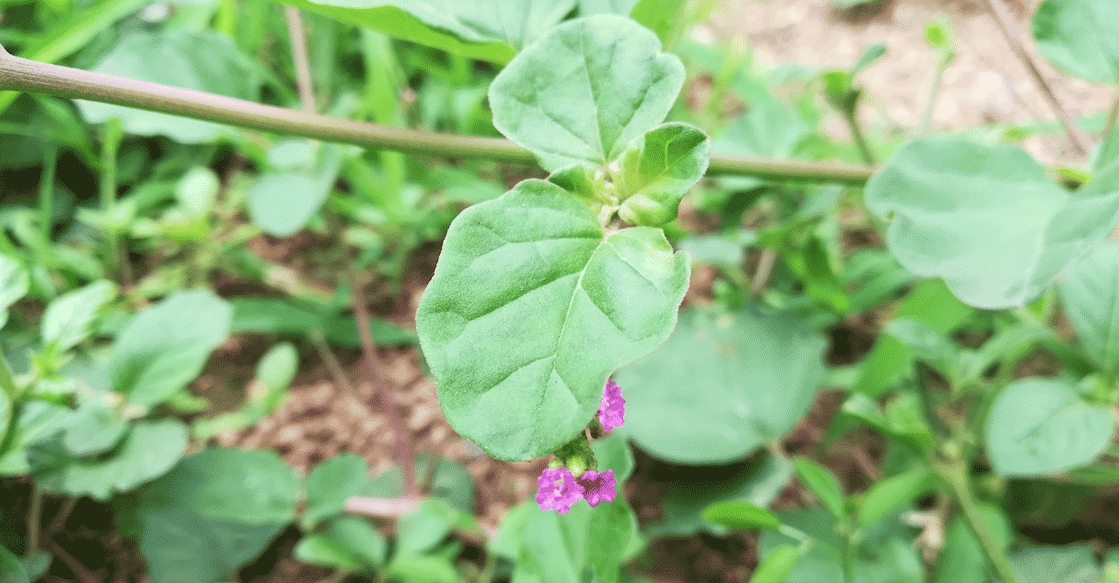
Widely found sprawling across fallow land and waysides throughout Kerala during the monsoon, Thazhuthama (Boerhavia diffusa) is known in English as the Red Spiderling. Its Sanskrit name, Punarnava, translates literally to 'that which renews or rejuvenates the body'. True to its name, this plant is considered a prime 'rasayana' (rejuvenator) in Ayurveda, renowned for its ability to restore vitality and heal deep-seated ailments of the kidneys, liver, and heart.
The plant grows as a hardy creeper spreading up to two metres, with smooth green leaves featuring a pale, whitish underside and tiny pink flowers. While it comes in green-stemmed (white) and red-stemmed varieties with similar therapeutic value, it is sometimes confused with a lookalike weed called Trianthema portulacastrum, so caution is advised during harvesting.
A natural shield for the liver and kidneys
Boasting an exceptionally high potassium content, thazhuthama acts as a powerful natural diuretic, promoting smooth urine flow and flushing toxins from the body. It is highly effective in treating generalised body swelling (oedema), kidney stones, jaundice, anaemia, and abdominal pain. For individuals suffering from liver congestion, fatigue, or delirium due to excessive alcohol consumption, a traditional Ayurvedic remedy offers remarkable relief. Preparing a milk decoction (palkashayam) using 25 ml of thazhuthama root juice and milk, taken twice daily, is known to soothe hepatomegaly (liver swelling), settle tremors, and combat exhaustion.
How to consume and use thazhuthama at home
Depending on your health needs, thazhuthama can be consumed as a fresh juice, a dry powder, or cooked as part of a daily diet. For general wellness and to combat fluid retention, the leaves can be prepared as a delicious stir-fry (thoran). Drinking 10 to 20 ml of fresh leaf juice or 5 to 10 ml of root extract can provide relief from internal inflammation. If you are dealing with jaundice, traditional practitioners recommend grinding the fresh root into a fine paste and administering it with tender coconut water. For eye health, a drop of the white-stemmed thazhuthama juice mixed with a touch of honey can soothe watery eyes, while mixing it with pure cow's ghee can relieve general ocular fatigue and irritation.
A commercial opportunity in wellness
Because of its immense therapeutic value, thazhuthama is a core ingredient in numerous classical Ayurvedic medicines, including Punarnavasavam, Punarnavadi Kashayam, Sukumara Ghritam, and the legendary health restorative, Chyavanaprash.
Since it thrives effortlessly in the Indian climate and can be harvested just two months after planting, it also presents an attractive commercial farming opportunity. Dried roots fetch between ₹100–145 per kg in the wholesale market, making systematic cultivation a highly lucrative venture for farmers collaborating with herbal manufacturing units.
