

Kerala backyard weed is a ₹416 crore global superfood sensation
Mail This Article


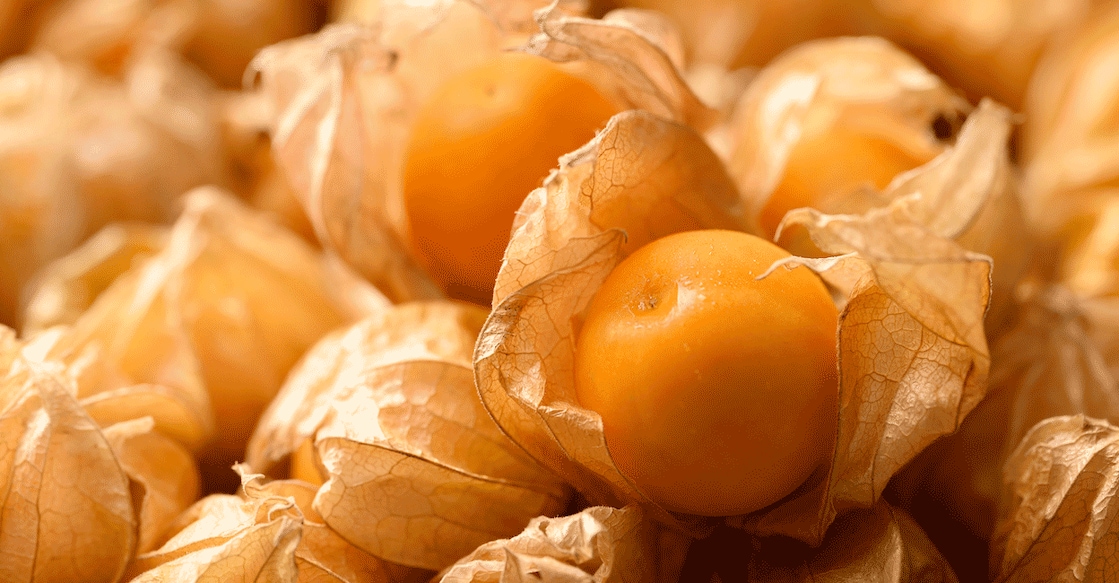
For anyone who grew up in the rural stretches of Kerala, 'njottanga' (also known as njottanjodiyan) is a nostalgic childhood staple. Often found growing wild along roadsides and backyard hedges, children would pluck these tiny, husked orange fruits simply to pop them playfully against their foreheads. Yet, this humble plant, largely disregarded as a worthless backyard weed in India, is currently taking the global agricultural market by storm. Rebranded internationally as the 'golden berry' or physalis, it has secured an elite position on the global superfoods map.
While millions of these plants grow and wither unnoticed in Indian backyards, Colombia has successfully unlocked their immense commercial value. The South American nation has transformed this wild shrub into a lucrative agricultural goldmine, offering an inspiring blueprint for agrarian revolutions worldwide.
The Colombian gold rush: A ₹416 crore agricultural revolution
Colombia is currently the world leader in the production and export of golden berries. This miniature powerhouse has climbed the ranks to become the country's fifth most exported exotic fruit, trailing closely behind heavyweights like bananas, avocados, plantains, and passion fruit.

According to data from the National Association of Foreign Trade, the golden berry sector is witnessing unprecedented commercial growth. The crop generates over $43.5 million (approximately ₹416 crore) in export revenue annually for Colombia. With a yearly yield exceeding 8,500 tonnes, the country supplies this nutritional gem to 25 highly developed nations, including the Netherlands, Germany, the USA, and Canada.
Unmasking the nutritional powerhouse
The soaring global demand for golden berries is rooted in their exceptional nutritional profile. These tiny fruits offer an astonishing array of health benefits that justify their premium status in international health food stores.
A modest 85g serving of golden berries provides 35 per cent of the recommended daily intake of Vitamin A, which is crucial for maintaining excellent eyesight and robust immune health. The same small portion also delivers 25 per cent of the daily required intake of Vitamin C alongside 25 per cent of necessary dietary fibre, making it an excellent choice for digestive wellness.
The clinical edge in managing diabetes
Scientific investigations conducted by leading research organisations, including Agrosavia, the Industrial University of Santander, and the International Centre for Tropical Agriculture (CIAT), have revealed the berry's therapeutic potential. Clinical studies suggest that compounds within golden berries actively stimulate insulin production and help regulate blood glucose levels. Regular consumption is widely recommended to aid in the management of type 2 diabetes and obesity.
