

Keralam Excise Commissioner Sambasiva Rao removed amid bar licence row
Mail This Article


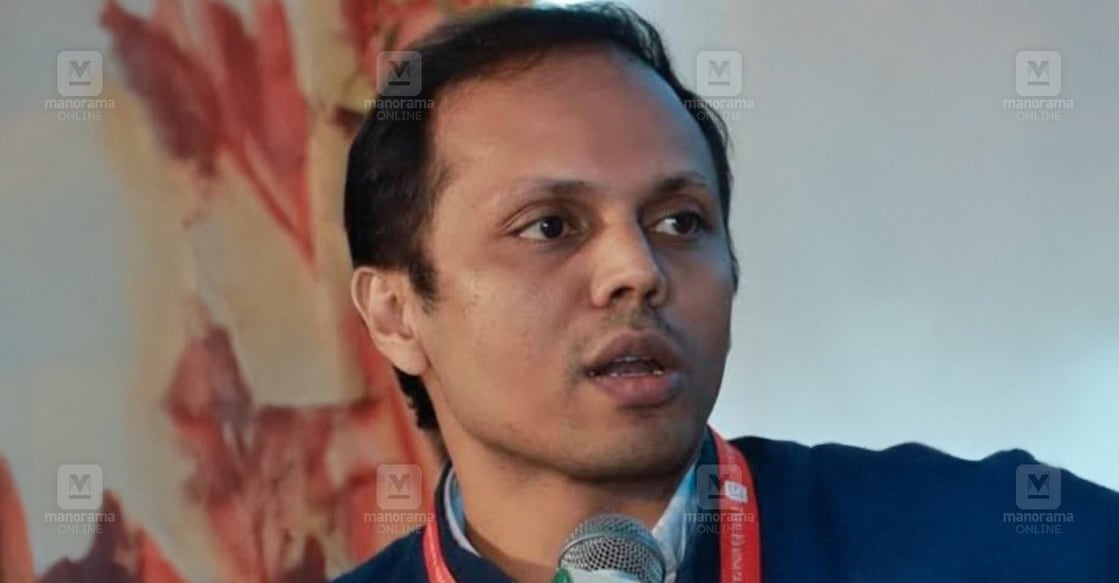
Excise Commissioner Seeram Sambasiva Rao was removed from the post on Friday amid the simmering row over the granting of bar licences. He will continue as Special Secretary of the Scheduled Castes and Scheduled Tribes Development Department, a post allotted to him in the recent IAS reshuffle. The Additional Excise Commissioner (Enforcement) will hold the charge of Excise Commissioner until further orders, according to the transfer order issued by the General Administration Department.
The row began over the issuance of licences for three beer parlours in Muvattupuzha, Kochi and Pala. The officials granted the licences after considering the application to upgrade the beer parlours to bars. Two Excise Officials, P K Satish and P L Shibu, were suspended for issuing the licence. The Commissioner's report, however, favoured the officials, and said the licences were granted in accordance with the existing norms. Excise Minister M Liju differed with this finding and brushed aside the report.
The issue escalated further when Sambasiva Rao defended the decision to grant licences to two bars inside the Nedumbassery airport lounge, saying it was part of discharging his responsibilities. He said that the provision for granting FL-7 licences was introduced through a law enacted during the UDF government's tenure in 2011 and that he had merely followed the existing rules. The commissioner submitted a detailed explanation to the Additional Chief Secretary of the Tax Department after documents related to the grant of the bar licences were published. This also turned into a political row with the UDF and LDF trading blame.
Excise Minister M Liju rejected the explanation as incomplete, noting that it failed to address several key questions. The minister directed the Additional Chief Secretary to seek a detailed report from the commissioner. He had also criticised the commissioner for sharing details of the report with the media before submitting it to the government.
The commissioner had not attended a meeting of Excise Department officials convened by the minister on Thursday. The development had fuelled speculation that the controversy could lead to his removal from the post.
The commissioner had also initiated action on a third application despite being instructed not to grant any licences until the new liquor policy was announced.
In his report, the commissioner maintained that the lounge bar licences had been granted exclusively for the benefit of air passengers and that he had the authority to approve them. Regarding the third application, he claimed that he had not seen the government's directive issued in August.
The directive, dated August 4, had been sent to the Excise Commissioner by the Additional Chief Secretary. The minister had questioned how the commissioner could claim not to have seen an official communication from the department secretary. He had also asked how the commissioner had decided to reject the application if he had not seen the letter.
The minister also said the commissioner repeatedly landed the department in controversies through decisions marked by serious lapses and a lack of transparency. The minister said an order would be issued prohibiting the grant of bar licences before the new liquor policy comes into force.
Sources said that the Minister had not demanded the transfer of Sambasiva Rao and the government's move is part of proposed comprehensive measures to bring clarity to the process of issuing bar licences. The government has directed that until the liquor policy is finalised, no new licences shall be granted. Officials, however, say no formal order has been issued so far.
Policy confusions stoke excise controversy
At the heart of the controversy are the critical tweaks made in the excise policy by the LDF and the UDF governments.
For instance, the previous LDF government, in what was sold as a farmer-friendly move, encouraged the production of 'horti-wine' from agricultural products in which the alcohol content would be 15.5 per cent. A new category, 'low alcohol', that fell in between wine and hard liquor was thus created, and rules were amended in 2024 to sell fruit-based 'horti-wine' through bakeries and supermarkets.
The UDF came to power and Chief Minister V D Satheesan, in his first budget, spoke of 'low strength alcohol', drinks with alcohol content ranging from 0.5 per cent to 20 per cent. It turned out that Satheesan had jumped the gun. There was no consensus within the UDF on 'low strength alcohol' and the decision, therefore, was put on hold.
But an excise official, unmindful of the freeze in the decision on 'low alcohol' liquor, granted certain bakeries licences to sell horti-wine with 15.5 per cent alcohol. The officer was suspended.
It was after this that three wine and beer parlours were elevated to bar status by excuse deputy commissioners without taking the government's consent. The elevation was done as a 'renewal'.
These three were among the 730 bars that were shut down in 2014 when the Oommen Chandy-led UDF was in power. Only hotels with five-star classification were allowed to operate bars as part of the decision. Those that were shut down then resumed functioning as 'wine and beer' parlours.
After the LDF came to power, the Foreign Liquor Rules were amended in such a way that these shut bars that existed as low-key 'beer and wine' parlours could get their bar licences restored by making a request before excise deputy commissioners.
In fact, Rules were amended in 2011 by the Oommen Chandy government to vest such a power with deputy commissioners. Therefore, it was argued that deputy commissioners were well within their rights to renew the licences.
Excise minister M Liju had found this unacceptable. "Renewal is a yearly exercise," he said. He wondered whether the bar licences of entities that had functioned as wine and beer parlours for 10-12 years could be called renewal. "When we have rules that stipulate that a bar would automatically forfeit its licence if it remains shut for 10 months, how can outlets that had not functioned as bars for over a decade get their bar licences renewed," Liju said. He said that the Pinarayi government had misinterpreted the grant of new bar licences as ' renewal '.
