

Why indoor laundry drying can pose many health risks
Mail This Article


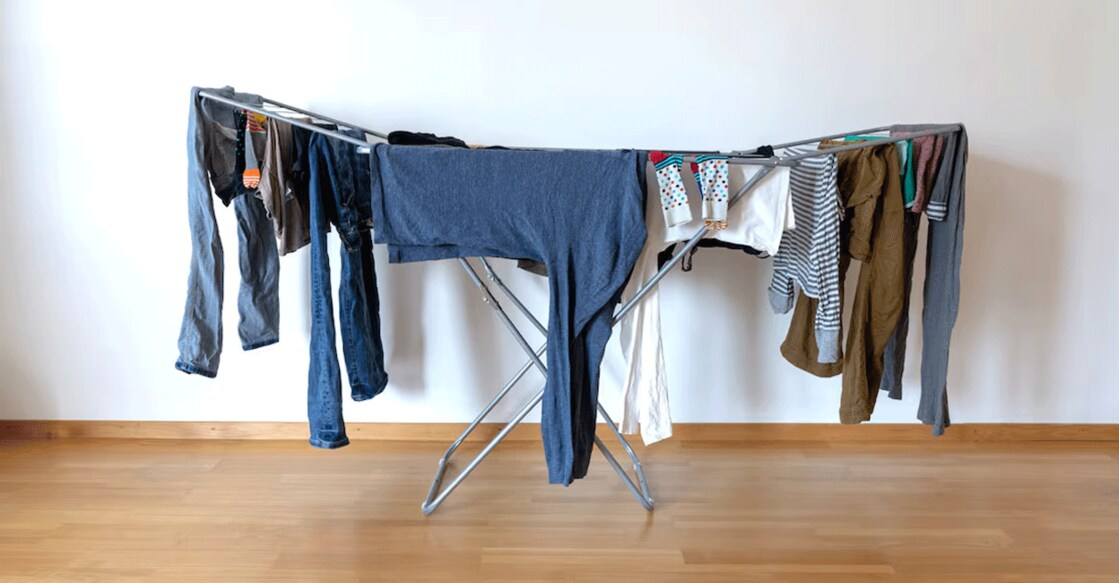
Hanging clothes in our indoor living spaces to dry is a common practice for many. The reason for this are many, from lack of enough outdoor spaces to dry clothes, inclement weather, privacy and security, pollution and even fabric care. However, many experts opine that wet clothes can increase humidity inside the room and trigger mould growth. It is estimated that a washing machine load of clothes if left for drying inside the room, will inject two litres of water into the air. And if there isn’t proper air circulation in the room, the walls and roofs will become damp, resulting in a perfect breeding ground for mould growth. The fungus will spread alarmingly when dampness increases in the room.
As per studies, moulds can spread like rashes inside a house if the indoor humidity exceeds 60 per cent. People with allergies, respiratory issues and weak immunity will be on the receiving end of the mould growth in damp rooms. The formation of fungus in damp surfaces can also trigger coughing, sneezing and breathing problems. Constant exposure to mould can pose serious health risks, such as asthma. The mould spores can cause allergies, runny noses, itchy eyes, and eczema in some people. Stachybotrys chartaraum, or black mould that produces mycotoxins can lead to serious health conditions such as constant fatigue, headache and immunosuppression. Children, elderly persons and people with weakened immune systems risk developing infections from moulds in the house.
What should be done?
Ensure that the moisture levels inside the room are below 60 per cent with the help of dehumidifiers and exhaust fans. While drying laundry indoors, open the window to facilitate air circulation. Heated drying racks, vented dryers, and clothes with less water content can help check the amount of moisture while drying laundry indoors. Silicone gel and charcoal dehumidifiers can also help in controlling the humidity. Regularly clean surfaces that are prone to mould build-up.
 Add as a preferred source on Google