

DaVinci robotic system ready at AIIMS: How do they help?
Mail This Article


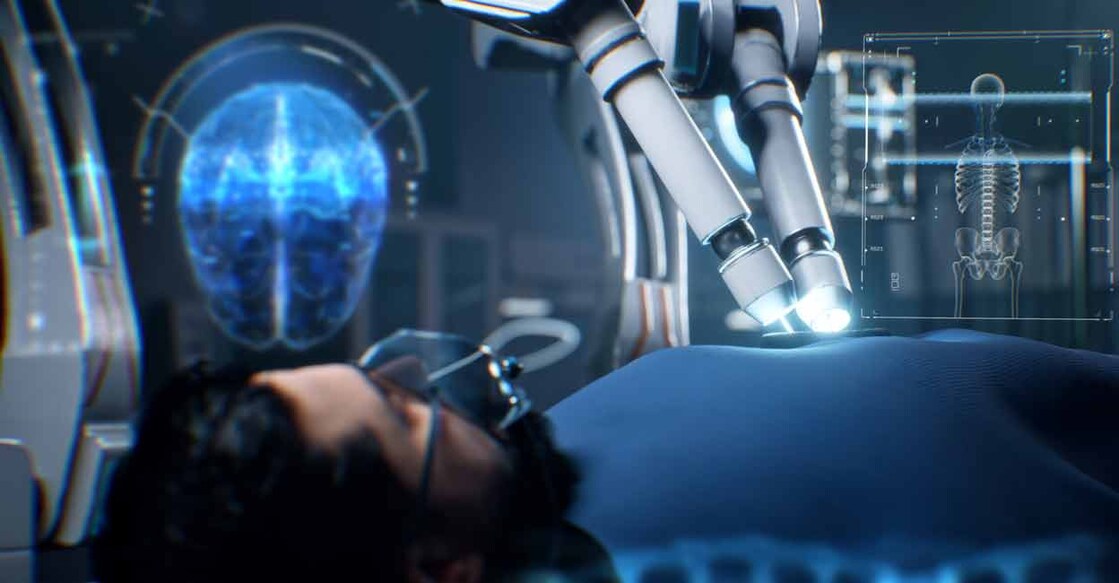
New Delhi: The All India Institute of Medical Sciences has installed a DaVinci robotic system to train doctors in robot-assisted surgeries. This makes AIIMS India’s first government medical college to have this facility. Last year, Medtronic's Hugo robotic system was also installed at AIIMS, making the premier institute the only institution in India with two robotic systems for training. The doctors would be trained to do complex urology, gynaecology, general surgery, surgical oncology, as well as head and neck surgeries, with the help of a robotic system.
What is robotic surgery?
Most people mistakenly believe that the robot operates independently. However, the surgeon remains in complete control at all times, utilising the robotic system to perform the surgery. The robotic system translates the surgeon's hand movements, as they sit at a console, into precise movements of the instruments inside the body. Robotic surgery is opted mainly for open surgeries and laparoscopic surgeries that are difficult to perform using traditional surgical methods.

1) Robotic systems ensure precision and flexibility.
2) The doctor could see the operating parts more clearly using the robot’s magnified view (stereo viewer)
3) As it is designed on the model of keyhole surgeries, the patient may not experience too much pain and require shorter hospital stays
4) There will not be too much blood loss as in an open surgery, as there will only be small incisions.
5) The risk of infection is less.
 Add as a preferred source on Google