

MG University's new centre for Amoebic Encephalitis research: How will it help?
Mail This Article
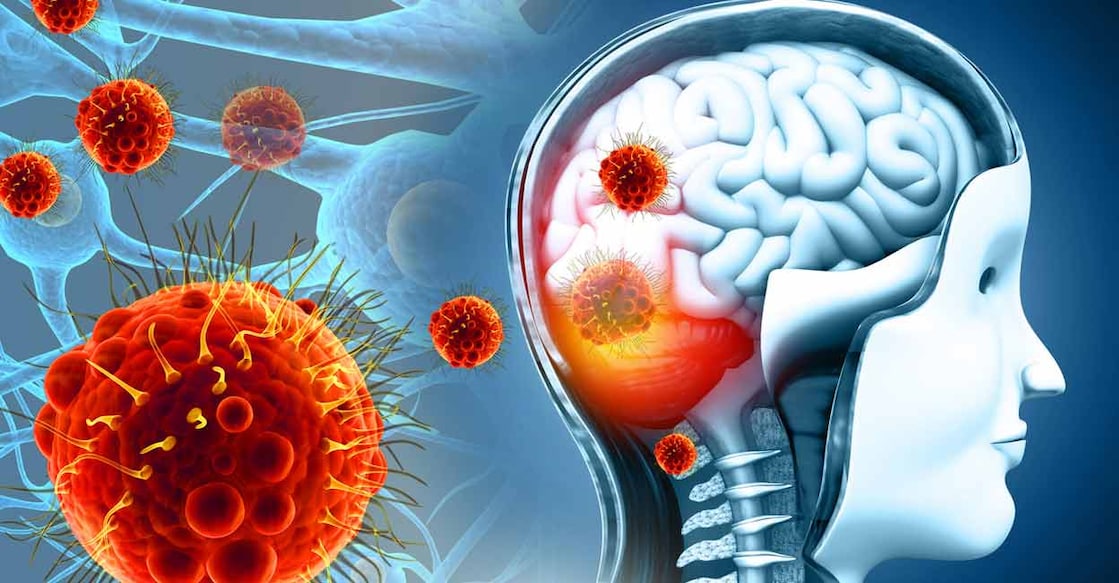
Kottayam: The Research and Diagnostic Centre at MG University, which has served as a vital public resource during the pandemic, is now poised to take on the fight against amoebic encephalitis. A dedicated centre for the study and detection of amoebae was recently inaugurated at the Inter University Centre for Biomedical Research and Super Speciality Hospital, located at the Thalappady campus of the varsity near Puthuppally. Alongside this new centre, a state-of-the-art small animal house for research purposes was also inaugurated.
Amoeba Research Centre
The new facility will utilise existing laboratory infrastructure developed for COVID-related examinations, supplemented by newly installed equipment. This centre will enable the identification and study of 10 different varieties of amoebae, including the strain that causes amebic encephalitis. At present, such testing capabilities are available only at the Public Health Laboratory in Thiruvananthapuram.
Key objectives:
1. Study the relationship between climate change and the prevalence of amoebae.
2. Identify in advance the areas at risk of amoeba presence.
3. Provide public water-testing facilities, where water quality can be tested if brought in clean and dry glass bottles.

Small animal house
The newly inaugurated small animal house will be the second-largest in Kerala, dedicated to research experiments involving small animals, such as rats. Baby rats, both large and small, have been sourced from the Sree Chitra Tirunal Institute, the largest such facility in the state and are now being bred here for research purposes.
Key areas of focus: Diseases caused by microorganisms, Alzheimer’s, and autism.
Total researchers: 15
Maximum capacity: It can house up to 2,000 mice and an equal number of rats
Facilities: Modern cages are designed to supply water, food, and air separately; advanced monitoring devices are available for post-experiment analysis; and biomedical research infrastructure is in place.
Hygiene: using germicide without odour twice a week, a special germ-destroying cabin for personnel.
Purpose of animal research
Experiments on rats and other small animals help in testing medicines and disease-prevention mechanisms. These studies provide insights into how discoveries respond in living organisms and the causes of certain diseases. Rats are chosen because of their short lifespan and ease of breeding. Such research is carried out strictly under the regulations of the Committee for Control and Supervision of Experiments on Animals (CCSEA), which grants permission on the number of animals that can be used. The rats selected for experiments are generally three months old.
 Add as a preferred source on Google