

What is a planetary health diet? How to implement it
Mail This Article


For most people, a diet is often centred around themselves and their health goals. From 'fitting into a dress' and 'shedding kilos' to diets as part of treatment, there are many reasons to go on one as well. What if your diet achieves all this, and also avoids approximately 15 million deaths a year, reduces agricultural emissions by 15 per cent, and helps mitigate the climate disaster? Yes, it's possible.
EAT-Lancet Commission, a joint initiative by the medical journal The Lancet and the non-profit named 'The Eat Foundation,' brought together scientists from across the world a few years ago to study food's role in biodiversity, living and professional conditions of people, climate issues and human health. They concluded that without human beings changing their food habits, it won't be possible to mitigate climate change, even if we switch to clean energy sources. The study's co-author, Johan Rockström, recently stated that the human race will fail on multiple counts, including the climate agenda and food security, if the behaviour of the food system is not taken seriously.

How to implement a planetary health diet?
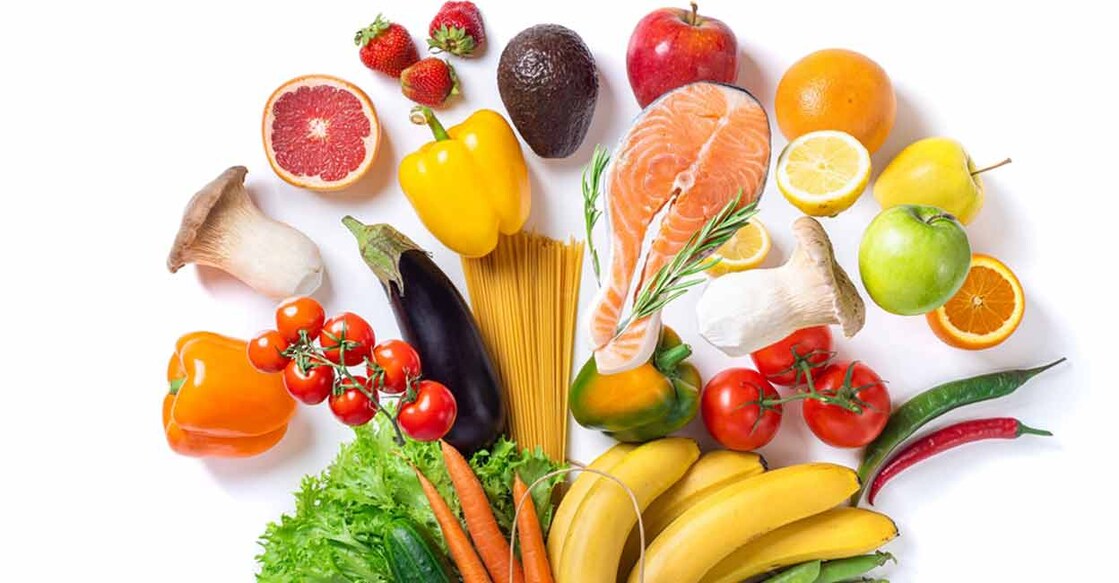
1. The diet is centred on grains, fruits, vegetables, legumes and nuts.
2. It urges limiting red meat to once a week.
3. Include just one serving each of animal protein and dairy per day in your diet, especially in developed nations.
What was studied
The study took into account land use, water quality, agricultural pollution and biodiversity as well, alongside climate change and greenhouse gas emissions. According to them, the biggest reason for pushing Earth to the brink is our food system. It also illustrates how consumption habits, labour practices, farming techniques, and food production are interconnected and why they need to be altered.
Why our food system ruins planet
The production of meat, especially red meat, releases a significant amount of heat-trapping gases that contribute to global warming. If developed and middle-income countries limit lamb and beef consumption to one serving a week, it can reduce emissions, say experts.
At the same time, he report says that nearly half the world's population is being denied adequate food, a healthy environment or decent work in the food system. Ethnic minorities, Indigenous peoples, women and children and people in conflict zones all face specific risks to their human rights and access to food.
(With inputs from PTI)
 Add as a preferred source on Google