

Beyond Nostalgia: Trips to Palakkad and the Russian 'soul-ache'

Mail This Article


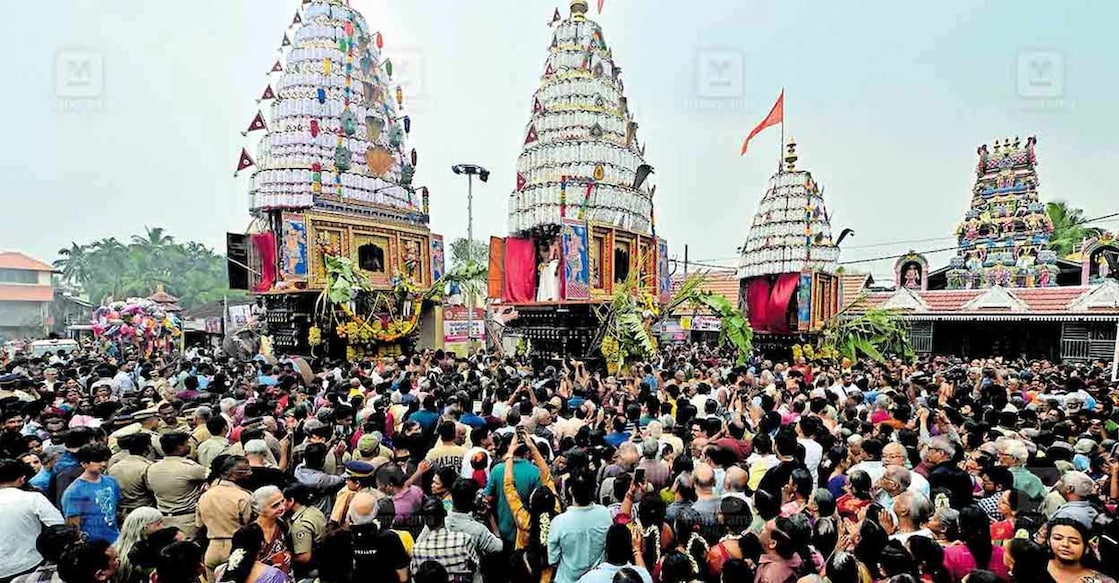
As a hospitable family friend served me sevai and chutney on a pleasant January evening near the old village of Pallippuram, I could see the joy in her face about the prospect of going for a shasta preeti, the traditional festival honouring Swami Ayyappan. She relished the chanting of religious hymns in a temple until 1 am and the sense of community and belonging associated with the festival. Among those joining were members of the Palakkad diaspora from Dubai and the United States.
Before our dinner was over, the oft-repeated topic came up: how Kerala offered nothing for young people and how almost every family wanted to send their children out of the state or abroad once they finished their schooling. But amid all this talk of gloom, Palakkad did not appear to me to be some sort of dying town mostly populated by pensioners.
The fancy cars and SUVs driven by young people, American fast-food chains, and fancy (and busy) retail outlets seemed to suggest that this town checked all the boxes for what we in India call “development.” It is quite possible that the rush around the new year comprised many people coming home from out of Kerala to be with their extended family, but Palakkad did not have this vibe described by my Pallippuram friend.
Staying with an uncle who was living his best retired life in a beautiful home with a well-tended garden that could put the best resorts to shame, I saw my fair share of fit-looking young people out early in the morning for brisk walks or runs.
When I made these observations to others who were living in the town, I was asked whether I would like to live there. Honestly, in this day and age of connectivity, I couldn’t think of a better prospect than avoiding the toxic air of our bigger cities and camping out in the winter months in the town.
There’s something so reassuring about having easy access to the villages that my ancestors lived in, to take in the scenery and see the oil lamps being lit in Bhagawati temples as the twilight makes way for the night.
It’s not all roses and blue skies by any means, though. All this talk of a drug menace and disillusioned youth turning to violence is unsettling, although on my multiple trips to the region in 2025, I didn't see a hint of what people were talking about. I am also ashamed to say that the communal poison that we normally associate with the Gangetic plain and states in western India has its takers in Palakkad.
For the sake of preserving my mental peace, I refrained from arguing with those whose primary source of information about history is WhatsApp forwards. There is a great joy in sitting in a room and letting the nonsense pass from one ear to another. Unfortunately, though, this communal virus seems to be non-discriminatory in the sense that it has infected people from all communities. One can only take solace in the fact that there is enough relative prosperity to ensure that mass violence on the scale that has plagued other parts of India is unlikely in Palakkad.
Going to the villages where I trace my roots, I often think about how my own life would have turned out if my ancestors had not chosen to leave Kerala. Last April, I sat by the Chittur Puzha (river) and watched three young men hop from rock to rock and fish. Observing them and the fun they seemed to be having, my mind took me back to my childhood vacations in Tattamangalam. If my family had stayed back, would I have been with these young men on the hot, lazy Sunday afternoon? Would my primary thoughts have been in Malayalam rather than English if I were a real Keralite?
Every single time I leave Palakkad, I get this feeling that can only be described as toska, the Russian concept of a deep spiritual yearning or sense of melancholy, often described as a soul-ache. This intense longing for what could have been or what was.
The sceptics who live in Palakkad claim my love for the town will vanish if I stay there even for a month. While I seriously doubt this will be the case, there's only one way of finding out.
(Ajay Kamalakaran is a writer based in Mumbai. His latest book, 'Colombo- Port of Call', was published by Penguin Random House.)
 Add as a preferred source on Google