

How two Kerala entrepreneurs survived Trump tariffs to thrive globally
Mail This Article


Global trade volatility and shifting tariff policies have posed significant hurdles for traditional export hubs across India. Yet, two young entrepreneurs from Kerala have successfully navigated these turbulent waters, offering a blueprint for resilience in the coir and marine export sectors.
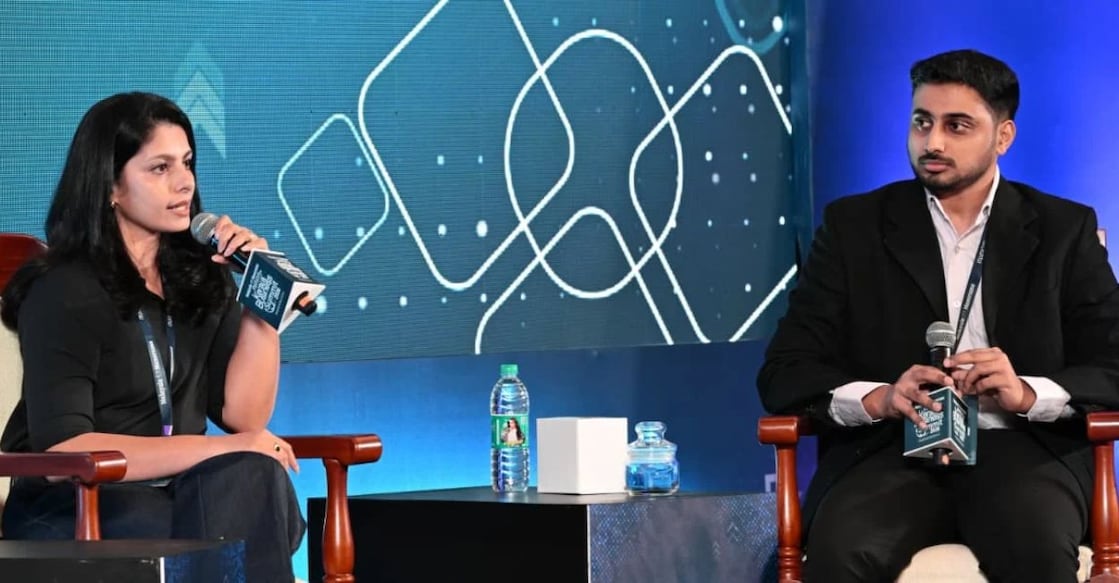
Speaking on the strategic pivots that kept their businesses thriving, Neena Roby, CEO of Fibre World, and Jordan Varghese, Vice President of Kings Marine Products, shared how innovation, market diversification, and value addition helped them overcome market disruptions caused by US tariff hikes.
Beating the tariff crisis through diversification
The coir industry has faced intense global headwinds, particularly due to over-reliance on the American market, according to Neena Roby. Before the pandemic, exports to the US accounted for around 30 to 35 per cent of our company's exports, but that figure surged to 60 per cent in recent years. When tariff escalations hit under the Trump administration, coir exporters faced cancelled orders and temporary factory closures.
To mitigate this crisis, Fibre World prioritised opening new international markets. Over the past year, the company successfully reduced its dependency on the US market by 10 to 11 per cent. Neena stressed that long-term stability requires continuous export market diversification.
Rather than competing directly with low-cost synthetic alternatives manufactured in China, Fibre World repositioned coir as a premium, eco-friendly, natural product. The company is also leading an industry shift from traditional PVC backings towards environmentally safe latex backing.
Unlocking high-value potential in marine products
The seafood sector faces similar tariff-related challenges, but Jordan Varghese believes the solution lies in aggressive value addition. While raw tuna fetches approximately $1.75 per kg, processing it into sashimi-grade loins can boost its value by up to 15 times.
Jordan pointed out that around 80 per cent of current production still relies on basic block freezers. To stay competitive, Indian marine exporters must adopt modern processing technologies such as freeze-drying. Furthermore, upcoming trade agreements with the European Union are set to unlock lucrative new export corridors.
However, tapping into European markets requires strict compliance with international standards. Products must be rigorously tested to meet EU chemical restriction lists, alongside mandatory factory audits and stringent safety certifications.
Highlighting the vast potential in marine exports, Jordan advised young entrepreneurs to start smart. Instead of investing heavy capital into setting up processing plants right away, newcomers should begin as merchant exporters to understand the market mechanics before scaling operations.
