

PM Modi holds CCS meet to review West Asia tensions, focus on energy and economic impact
Mail This Article


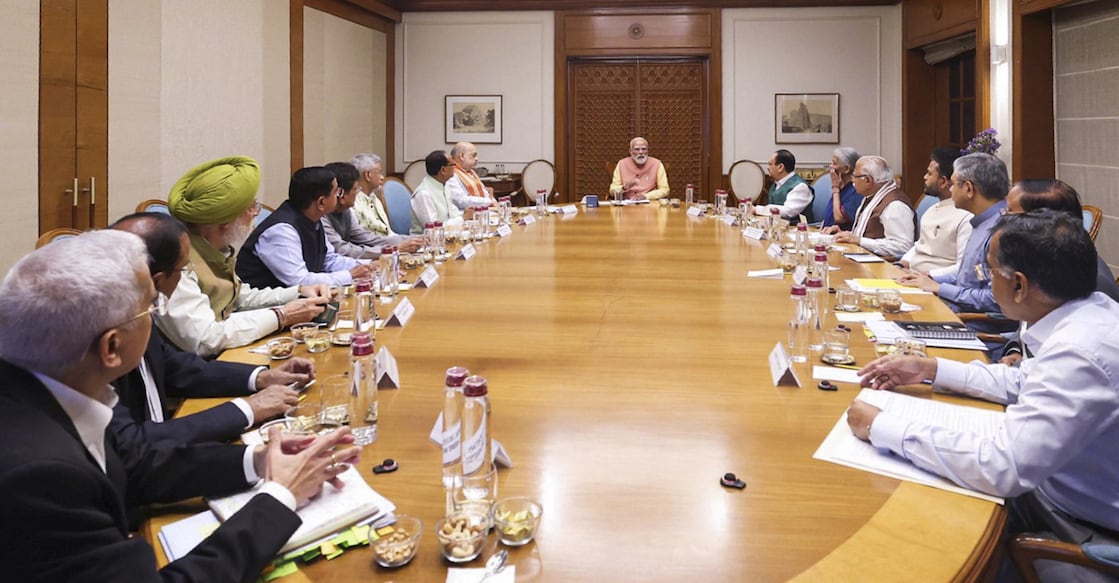
Prime Minister Narendra Modi on Wednesday chaired a meeting of the Cabinet Committee on Security (CCS) to evaluate the developing situation in West Asia and examine its possible implications for India’s national interests.
The meeting marked the second CCS review since tensions intensified on February 28, after US-Israel airstrikes targeted locations in Iran, followed by retaliatory actions. These developments have disrupted parts of the region, including the Strait of Hormuz, and triggered fluctuations in global energy markets.
Held in the evening, the high-level meeting was attended by Defence Minister Rajnath Singh, Home Minister Amit Shah, External Affairs Minister S Jaishankar, Finance Minister Nirmala Sitharaman, Petroleum Minister Hardeep Singh Puri, and Commerce Minister Piyush Goyal, among others.
Agriculture Minister Shivraj Singh Chouhan, Chemicals and Fertilisers Minister J P Nadda, and Railway Minister Ashwini Vaishnaw were also present. National Security Adviser Ajit Doval, senior officials including the Principal Secretaries, and Cabinet Secretary T V Somanathan attended the discussions as well.
Cabinet Secretary Somanathan delivered a comprehensive presentation on the global situation and outlined measures already implemented or being considered by different ministries. The deliberations covered short-, medium-, and long-term consequences of the crisis across sectors such as energy security, petroleum imports, fertilisers, food supply, agriculture, MSMEs, exports, shipping, trade, finance, and supply chains.
With nearly one-fifth of the world’s oil trade moving through the Strait of Hormuz, India—heavily reliant on energy imports from West Asia—is evaluating potential risks related to fuel prices, aviation, and industrial inputs. The CCS reviewed the broader macroeconomic outlook and discussed both immediate safeguards and long-term strategies to enhance resilience.
