

Constitution amendment bill on women’s quota fails in Lok Sabha, falls short of two-thirds majority
Mail This Article


A Constitution amendment bill linked to the implementation of women’s reservation was defeated in the Lok Sabha on Friday after it failed to secure the required two-thirds majority. The bill received 298 votes in favour and 230 against, falling short of the 352 votes needed out of the 528 members who participated in the voting.
Reacting to the outcome, the Congress termed it a “win for democracy, federalism, Constitution.” The party alleged that the bill was a “nefarious, mischievous attempt” by Prime Minister Narendra Modi and Home Minister Amit Shah to link delimitation proposals with women’s reservation.
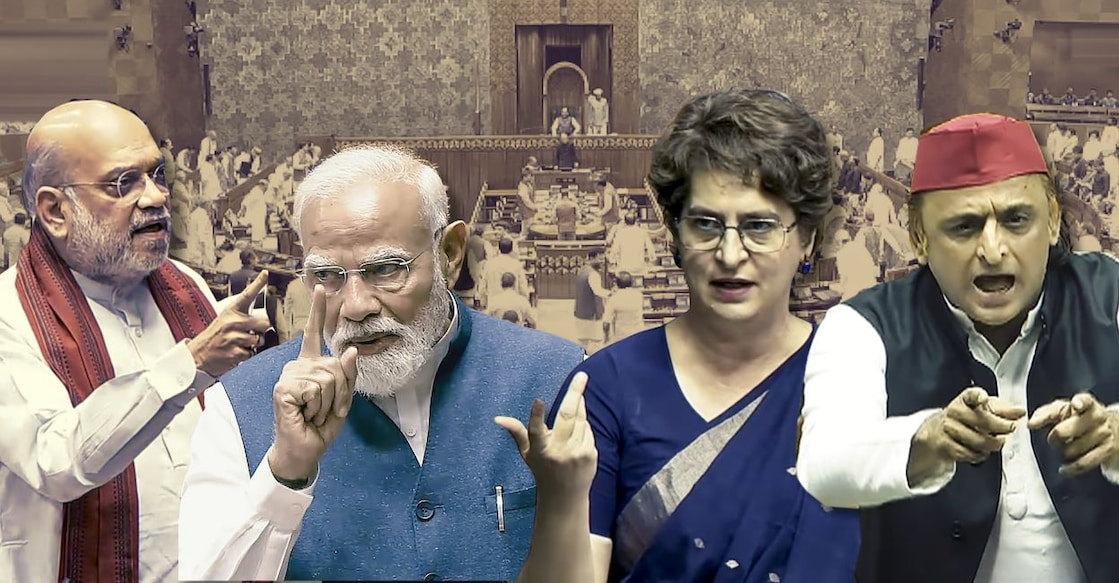
Earlier in the day, the House witnessed sharp exchanges between the government and the Opposition ahead of the crucial vote. The debate, which began on Thursday, continued through Friday.
The proposed legislation sought to amend the Women’s Reservation Act and was tied to a broader plan to increase the number of Lok Sabha seats and undertake delimitation.
Seeking support for the bill, the Prime Minister urged MPs not to “deprive the country’s women of new opportunities” and appealed for unanimous backing. He also maintained that no state would face discrimination during the delimitation process and that the existing proportional formula for seat allocation would remain unchanged.
Opposition members, however, questioned the need to introduce amendments before fully operationalising the 2023 law. Congress leader K C Venugopal pointed to a late-night notification bringing the original Act into force from April 16, while Kanimozhi Karunanidhi questioned the rationale behind debating amendments after notifying the principal legislation.
Officials said the move was due to technical requirements, noting that amendments can only take effect once the original law is operational. The Opposition also criticised the substance of the bill, alleging that the proposed seat increase and delimitation exercise could benefit the ruling party in the 2029 general elections.
