

No need to panic, India has sufficient crude oil and LPG stocks, says Centre
Mail This Article


New Delhi: The Ministry of Defence on Monday assured that the country faces no shortage of petroleum products and urged citizens not to panic or rush to fuel stations, even as several countries worldwide have adopted emergency measures to curb domestic energy consumption.
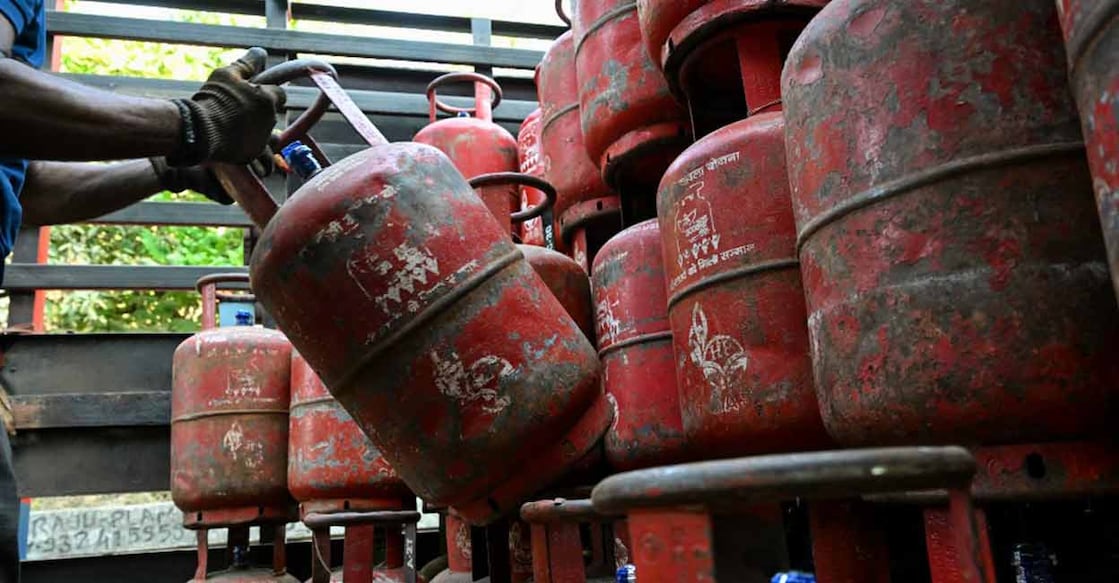
The ministry said India currently has crude oil reserves sufficient for 60 days, natural gas reserves for 60 days and LPG rolling stock for 45 days. It also noted that the country’s foreign exchange reserves remain strong at $703 billion.
In a statement, the ministry highlighted that India is the world’s third-largest oil refiner and the fourth-largest exporter of petroleum products, supplying fuel to more than 150 countries while fully meeting domestic demand.
However, it acknowledged that the country is bearing a significant financial burden due to persistently high international crude oil prices. “Fuel conservation can help reduce this burden,” the ministry said.
It added that India remains among the few countries where fuel prices have largely remained stable despite more than 70 days of global conflict-driven volatility. In contrast, several countries have witnessed fuel price hikes ranging from 30 to 70 per cent.
According to the ministry, oil marketing companies in India have absorbed losses of nearly ₹1,000 crore per day, with under-recoveries estimated at around ₹2 lakh crore in the first quarter of 2026, in an effort to shield consumers from the impact of soaring global prices.
“There is no reason for anxiety, and no need for citizens to rush to retail outlets,” the ministry said, adding that the country currently has adequate stocks of essential commodities and fuel supplies remain well managed. The government said the ongoing conservation measures are aimed at strengthening long-term preparedness in case the global crisis continues for an extended period.
Meanwhile, Defence Minister Rajnath Singh stressed the need for India to accelerate the transition towards a more diversified energy mix by expanding renewable and alternative energy sources. He also called for identifying more reliable energy supply channels, increasing investments in energy-efficient technologies and reassessing strategic reserve requirements to address possible future supply-chain disruptions and strengthen long-term energy security.
