

Depth meets distance: How Kerala’s Vizhinjam port outclasses its rivals
Mail This Article


1. Vizhinjam Port
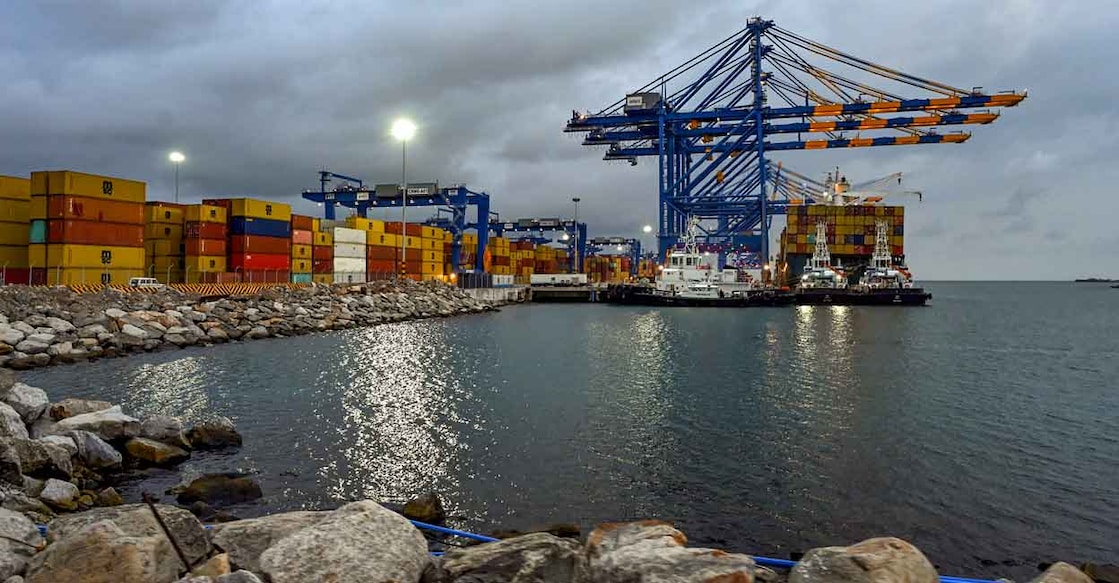
Vizhinjam is a container transshipment terminal uniquely positioned with a natural draft depth, allowing ships to dock safely in all weather conditions without the need for extensive dredging.
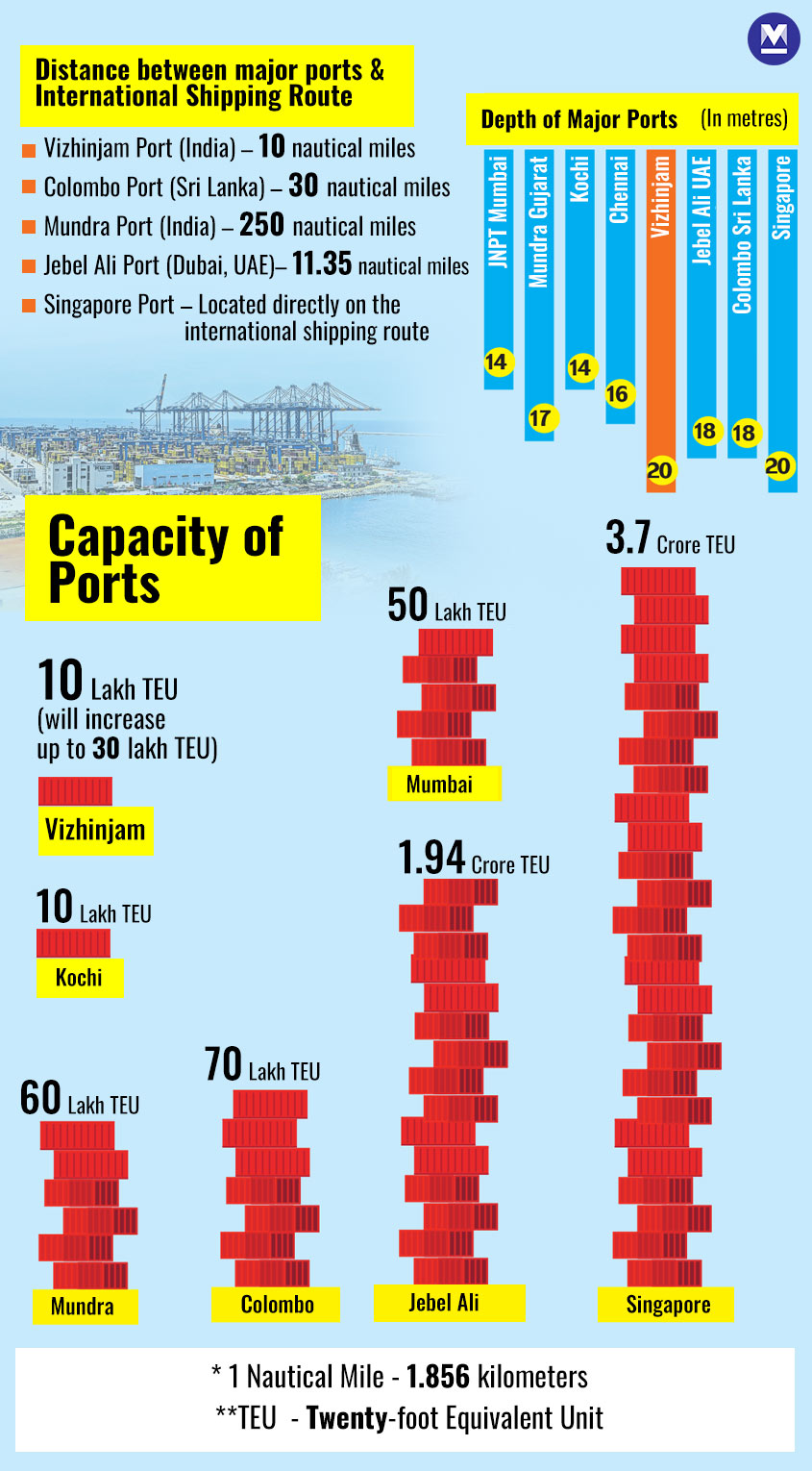
With a natural depth of 20 meters, the port can accommodate even the largest container vessels, including Ultra Large Container Ships (ULCS). Several such ships have already successfully anchored at Vizhinjam, showcasing the port's capability to handle global maritime traffic efficiently.
Unlike many major ports such as Colombo and Singapore, Vizhinjam does not require significant dredging to maintain or increase its depth. This natural advantage enhances its operational efficiency and reduces costs.
Strategically located just 10 nautical miles (approximately 18.5 km) from the international shipping route that connects Asia with Europe, Vizhinjam offers a shorter turnaround time for vessels. In fact, it is closer to this key maritime corridor than major ports like Colombo, Singapore and Dubai.
Other Major Ports in India
India, with a coastline stretching 11,098 kilometres and surrounded by the sea on three sides, relies heavily on maritime trade. Approximately 95% of the country’s international trade is conducted via the sea. In the financial year of 2023, Indian ports collectively handled 795 million tonnes of cargo. Currently, the country has 13 major ports, each with varying capabilities.
2. Jawaharlal Nehru Port Trust (JNPT), Mumbai
Known as the largest container port in India, JNPT has a draft depth of 14 meters. Due to its high traffic, cargo ships often experience longer waiting times before being allowed to dock. The port requires continuous dredging since its natural depth is insufficient to accommodate huge container ships.
3. Mundra Port, Gujarat
Mundra is one of the largest commercial ports in the country and currently holds the record for handling the highest cargo volume in a single year. The port has a draft depth of 17 meters but lies much farther from the international maritime route compared to Vizhinjam. Its natural depth is less than that of Vizhinjam, necessitating regular dredging to admit large vessels.
4. Kochi Port, Kerala
A major port on the Kerala coast, Kochi has a depth of 14 meters and also depends on regular dredging to maintain navigability. Due to its limited draft, it cannot accommodate ultra-large container ships as in Vizhinjam. Additionally, Kochi is located farther from the main international shipping route compared to Vizhinjam.
5. Chennai Port, Tamil Nadu
With a depth of 16 meters, Chennai Port is another important maritime gateway on the east coast. However, it too requires regular dredging to sustain its depth

Major International Ports in Neighbouring Countries
6. Jebel Ali Port (Dubai, UAE)
Jebel Ali is one of the busiest and most advanced transshipment hubs in the world. With a natural draft depth ranging from 16 to 18 meters, it can accommodate large container vessels with ease and is located close to the international shipping channel. The port is equipped with state-of-the-art automation and cargo handling systems, which allows for minimal turnaround time.
7. Colombo Port (Sri Lanka)
Colombo Port serves as a key transshipment point in the Indian Ocean, with a natural depth between 15 and 18 meters. Its proximity to the Indian coastline and the main East-West shipping route adds to its strategic advantage. The relatively deep natural draft means the port requires minimal dredging. Colombo remains less congested , which contributes to faster turnaround times.
8. Singapore
The Port of Singapore is among the world’s largest transshipment ports. It offers a natural draft depth of 18 to 20 meters. Its proximity to India ensures lower fuel and transit costs for Indian-bound cargo. Singapore also stands out for its cutting-edge automation and logistics systems.
(Information compiled by Joji Simon, MA Anooj, G Gopikrishnan.)
 Add as a preferred source on Google