
Urban farming: A ₹26 crore-strong farmers' collective in Kozhikode becomes a role model
Mail This Article


Can a city-dweller make an additional monthly income of ₹10,000 through vegetable farming? A search for an answer ended at the residence of Devadas in Kozhikode city.
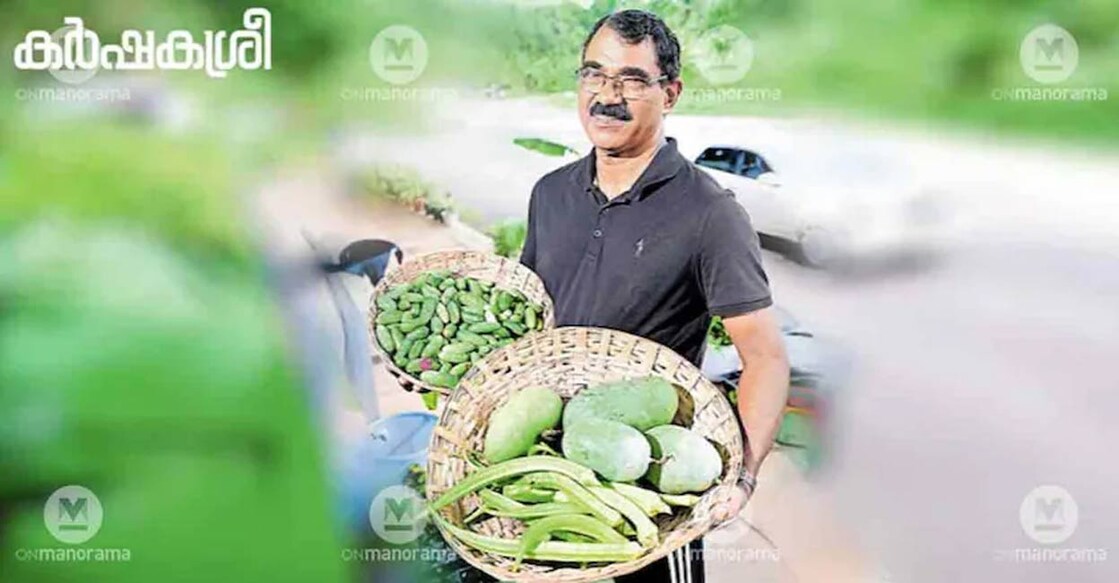
Though Devadas is living in the city, his farm is at Atholi, some 15 kilometres from his home. Interestingly, Devadas took up farming for urban dwellers. His organic certified farm, spread over an acre, grows local vegetables, ivy gourd, medicinal ash gourd, elephant-tusk okra, tomato, snake gourd, fresh-winged beans, and other greens. He also grows papaya and mint, and runs a nursery to grow the saplings.
Devadas starts his day at the farm early in the morning, and the Niravu Farmer Producer Company helps him market his products. He sells the products and saplings through the company's Farmer Support Centre and the sales counter at Vandipetta.
On realising the potential of agribusiness in the city, Devadas and family also run a shop selling farming tools, fertilisers, pesticides, and seeds.
Besides Devadas, several other urban farmers have realised the potential of the city market. Niravu Farmer Producer Company Chairman P.K. Mohan is an example. He produces rice for his domestic use and markets vegetables and coconut through Niravu. Mohan said he is selling agro products worth Rs 12,000 a month on average. Coconut oil is another product he has been marketing.
The Farmer Support Centre has provided each farmer with a unique identification number. This number is recorded when their products are put up for sale, so that the farmer concerned can be identified in case of complaints. Identification of the source also helps in spurring the demand for products.

Mohan said the centre sold vegetables and fruits worth Rs 36 lakh in the past year, and 95 per cent of them were from urban farmlands. Onions and potatoes are procured from outside markets.
Niravu is a model that could be replicated elsewhere in the country to convert urban agriculture into agri-business. There won't be another organisation that grew into a profitable agriculture product company, fuelled by the kitchen garden scheme initiated by residential associations.
Babu Parambth, the founding leader of the collective, said 101 farming-inclined families started organic vegetable and fallow-land paddy farming in 2006. The collective now has 186 members and has paved the way for the return of several local varieties, including the Vengeri brinjal.
The collective is also active in cancer prevention, waste management, and the protection of plant species.
Once the collective expanded its activities, it became the Farmers' Club of NABARD and grew into an agro-producer company. The company gets its revenue from providing advice and services to the farmers.
Half of the initial 101 members had less than 15 cents each, and the total land of the stakeholders was 63 acres. Now, the collective has a turnover of more than Rs 26 crore.
The collective takes farming to waste management and allied activities. Though consultancy services for waste management have been earning more revenue, Babu said the base for the collective's all activities is farming.
 Add as a preferred source on Google