

Courts must view videos in obscenity cases, Kerala HC acquits cassette shop owner after 28 years
Mail This Article
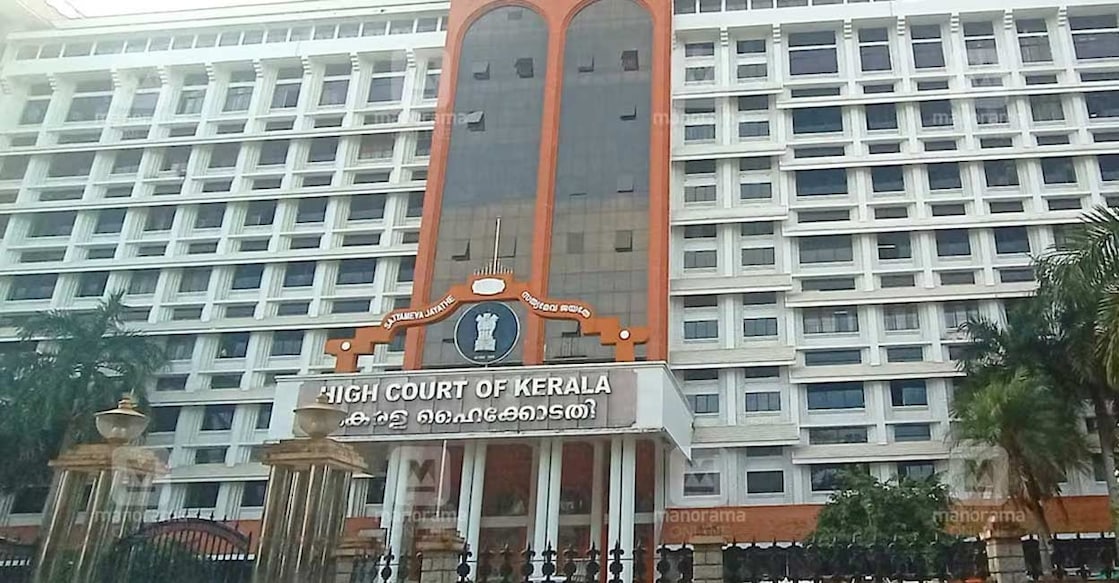
The Kerala High Court has acquitted a man convicted of possessing and distributing obscene video cassettes, ruling that the trial court failed to examine the material evidence before finding him guilty.
Dr Justice Kauser Edappagath, allowing a criminal revision petition, set aside the orders of both the Judicial Magistrate Court and the Sessions Court in Kottayam. The case dates back to 1997, when police raided Omega Videos and Communications and seized ten cassettes allegedly containing obscene scenes. The petitioner was charged under Section 292(2)(a), (c) and (d) of the IPC, which prohibits the sale and circulation of obscene material, LiveLaw reported.
In 2005, the trial court sentenced him to two years in jail and a fine of ₹2,000. The appellate court later reduced the sentence but upheld the conviction.
In his revision plea, the petitioner argued that the courts had relied only on the oral testimony of police officers and a Tahsildar who claimed to have viewed the cassettes, without examining the cassettes themselves.
The High Court agreed, stressing that when primary evidence like a video cassette is produced, judges must view it directly to decide whether it qualifies as obscene.
“Unless the Court or Judge personally views the video cassette and convinces itself of the obscenity in the content, it cannot be said that there is substantive evidence before the Court,” the bench observed.
The Court added that obscenity must be judged against contemporary community standards, as laid down by the Supreme Court, but such an assessment cannot be made without examining the material itself. Holding that both the trial and appellate courts had overlooked this requirement, the High Court overturned the conviction and acquitted the petitioner.
 Add as a preferred source on Google